 2 months ago
85
2 months ago
85


THE UNIQUE FESTIVALS THAT BRING
HONG KONG TO LIFE
From fire-lit dragon dances to bun-scrambling rituals, these celebrations offer a vivid glimpse into the city’s local culture and living traditions.
Many people travel to Hong Kong to feast, shop and take in its kinetic pace. But after that first rush, another side of the city emerges – one that feels more contemplative, intimate and revealing.
Throughout the year, small neighbourhoods and outlying islands across the Fragrant Harbour host festivals and celebrations that have been observed for generations. These community events bring long-held traditions to life. Streets close to traffic, altars appear and familiar places take on a new feel. A fishing village may turn vegetarian for a day. A fire-lit dragon may wind through a residential district. A sea goddess’ birthday may be marked across dozens of temples.
Stay a little longer or plan your visit around one of these moments, and you may come away with a different view of the city.
FISHING ISLAND TRADITIONS: CHEUNG CHAU BUN FESTIVAL
When: On the eighth day of the fourth lunar month, or May 24 this year
The Cheung Chau Bun Festival is one of Hong Kong’s most unique annual events. Each year, thousands make the ferry ride out to this otherwise sleepy fishing village. The festival traces its origins to a centuries-old tale of villagers praying to a Taoist deity to rid the island of plague. Their offerings of steamed buns have since become its defining symbol.
Today, that story unfolds through a series of lively rituals. The highlight is the bun scrambling competition, where participants race up a towering bun-covered structure, grabbing as many buns as they can within a time limit. Another is the Piu Sik Parade, where children dress up in elaborate costumes for a street procession. The celebrations have a distinctly communal feel, bringing together both participants and onlookers.
Outside festival season, Cheung Chau is ideal for a gentler pace of exploration. There are laidback beaches, hiking trails and temples, while a new generation of returning entrepreneurs is reshaping the island with independent cafes and design-led boutiques. On your next visit, you may find yourself staying a little longer.
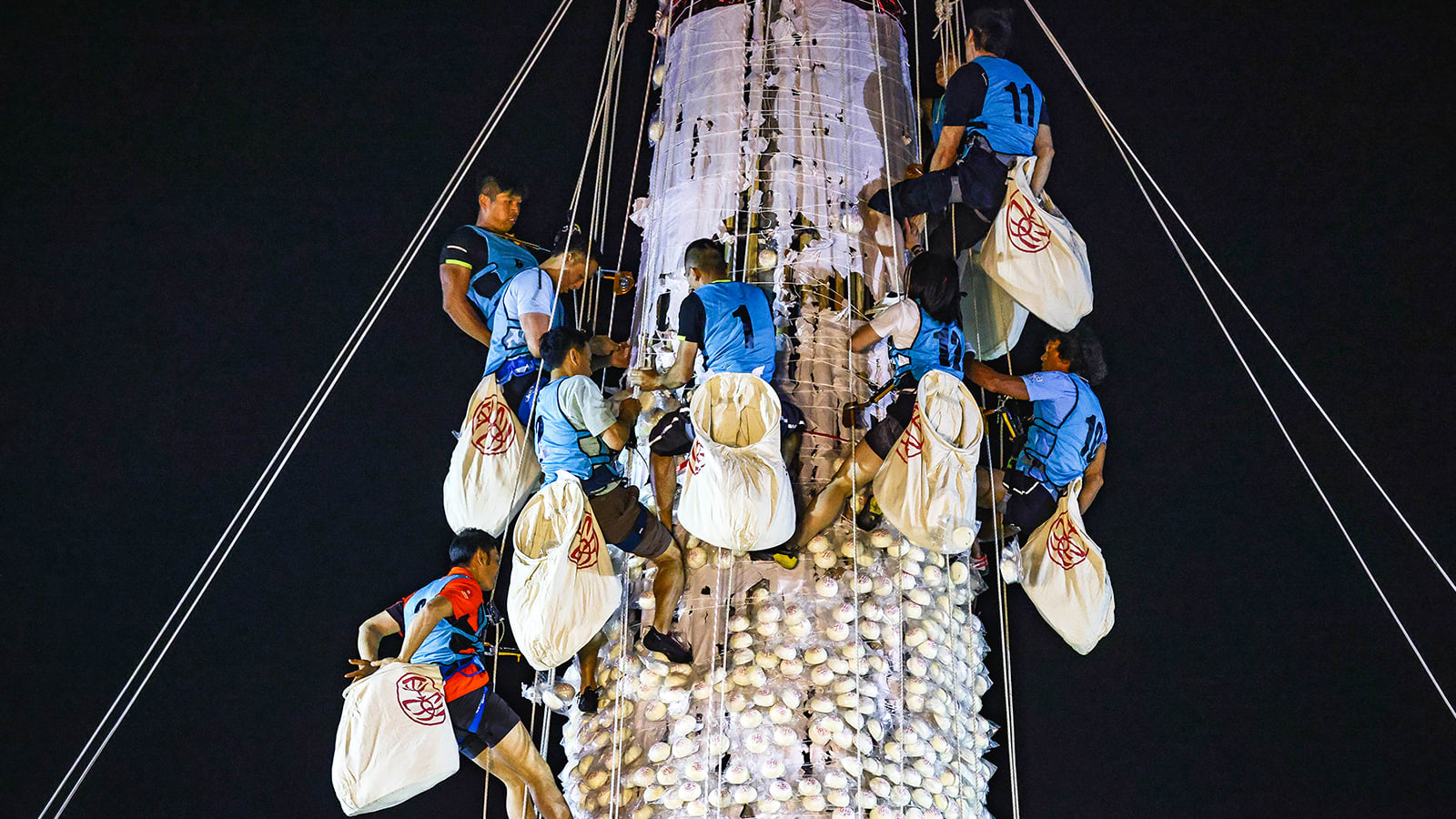 Climbers race up a bun-covered tower during the bun scrambling competition at the Cheung Chau Bun Festival.
FIRE, FOLKLORE AND COMMUNITY SPIRIT: TAI HANG FIRE DRAGON DANCE
When: Held over three nights during the Mid-Autumn Festival, or Sep 24 to 26 this year
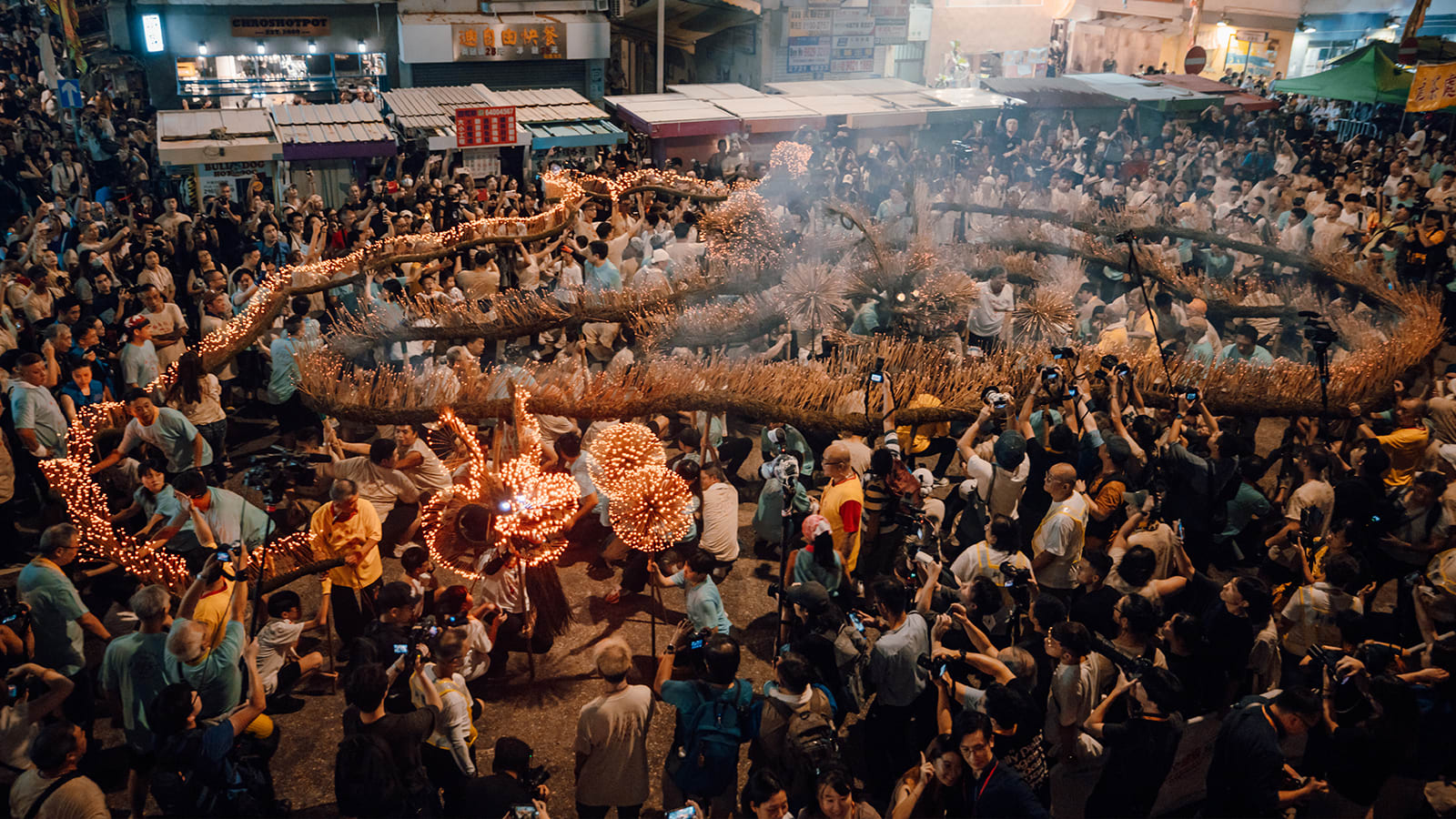
The Tai Hang Fire Dragon Dance is a spectacle of curling smoke, glowing embers and undulating movement. Over three nights, some 300 performers carry a 67m-long dragon, its body studded with more than 12,000 burning incense sticks, through Tai Hang’s narrow, winding streets. Recognised as a National Intangible Cultural Heritage item by China’s Ministry of Culture and Tourism, the ritual traces its origins to a 140-year-old legend, when villagers were said to have performed the dance to ward off evil, disease and misfortune.
This carefully choreographed performance takes months of preparation. The dragon twists and turns through manoeuvres such as the Awakening and Bridge Crossing, creating the illusion of a living creature slithering through the neighbourhood. For deeper context, the Tai Hang Fire Dragon Heritage Centre offers insight into its history and symbolism.
Tai Hang also merits a visit outside festival season. Tucked between larger districts, it has a relaxed, residential feel. Independent cafes, small galleries and casual eateries serving local favourites make it an easy place to spend an afternoon away from the city’s intensity.
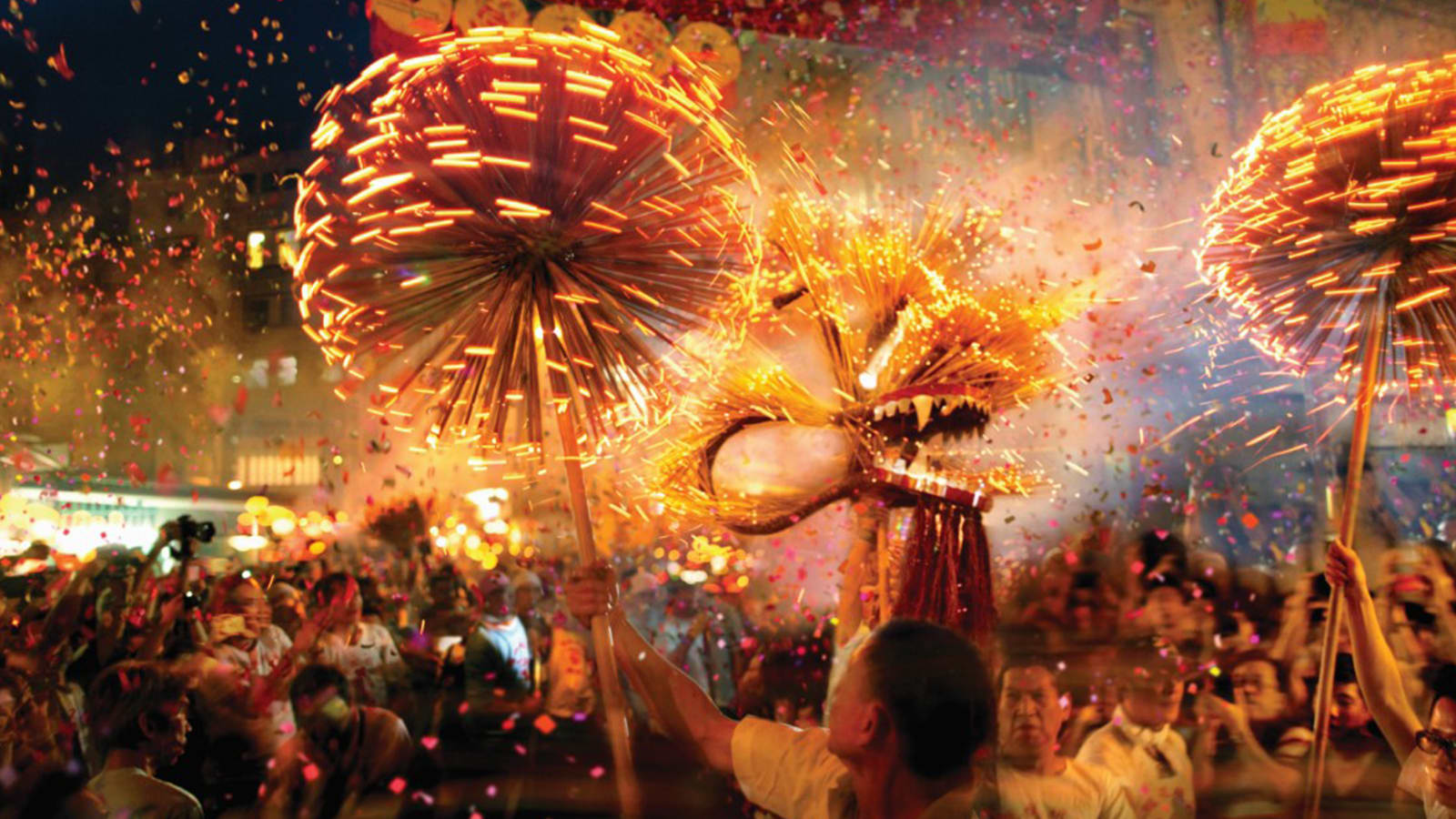 Performers carry the fire dragon, lit by more than 12,000 burning incense sticks, through Tai Hang’s narrow streets over three nights.
SHAPED BY DEVOTION: TIN HAU FESTIVAL
When: 23rd day of the third lunar month (usually April or May)
The Tin Hau Festival celebrates the birthday of Tin Hau, the sea goddess revered as a protector of fishermen and sailors, and reflects Hong Kong’s maritime heritage. Known elsewhere as Mazu, she is also worshipped in Singapore and parts of Southeast Asia.
Unlike more localised celebrations, this festival is observed across multiple districts and outlying islands. With more than 60 Tin Hau temples across Hong Kong, festivities take place in many neighbourhoods and may include lively parades with lion and dragon dances, paper flower float processions and traditional troupe performances.
The Tin Hau Temple at Joss House Bay – believed to be the largest and oldest temple in Hong Kong, dating back to 1266 – is among the most significant sites associated with the festival and draws thousands of worshippers taking part in temple rituals.
Even outside festival days, these temples are worth visiting for their intricate architecture and historical importance. Notable examples include the Yau Ma Tei Tin Hau Temple and the Tin Hau Temple and Kwun Yum Shrine at Repulse Bay, which continue to attract worshippers and visitors alike.
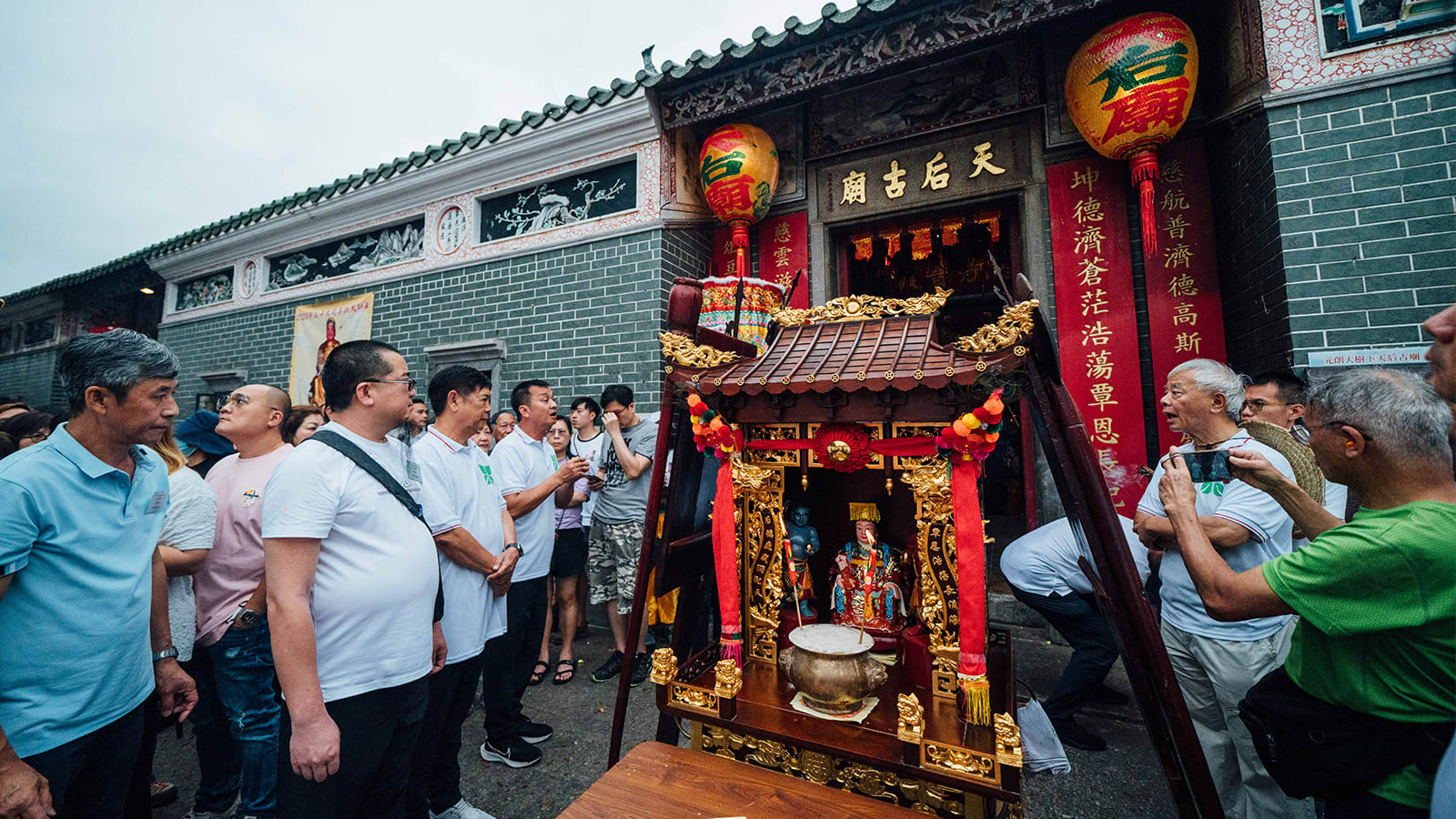 The Tin Hau Festival is observed at temples across Hong Kong in honour of the sea goddess revered as a protector of fishermen and sailors.