 2 months ago
75
2 months ago
75
The share of one-person households in Singapore rose to 15.6 per cent in 2023/2024, more than doubling since 2003.
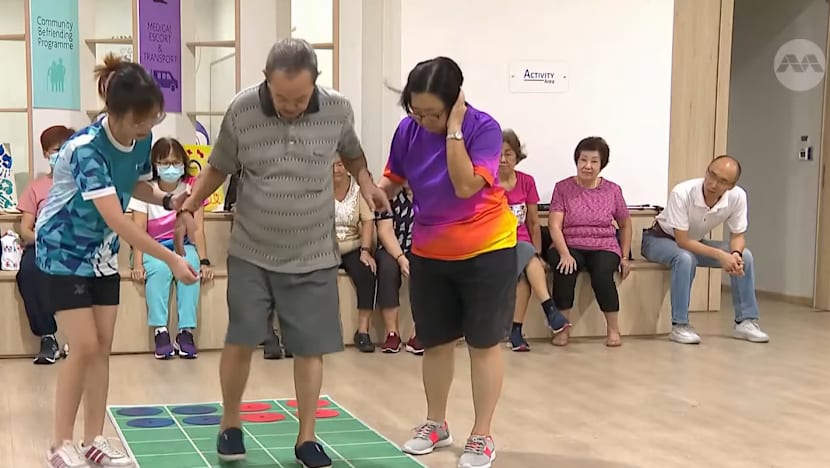
Seniors participating in activities at Presbyterian Community Social Services.
New: You can now listen to articles.

This audio is generated by an AI tool.

SINGAPORE: Madam Sereena Joy Osman never expected she would one day be living alone – but that became her reality 14 years ago when her mother passed away.
Now 68 and retired, Mdm Sereena lives on her own in a Housing and Development Board (HDB) flat in Clementi.
Far from feeling lonely, she says her days are filled with activity, purpose and connection. She spends much of her time outdoors socialising before returning to her sanctuary for some peace and quiet.
“Planning is very important, and prioritising. Because after retiring, there are so many activities. You want to do everything, but you just don't have time,” she told CNA.
“So, what's important to you? Number one is family. Number two is your friends.”
In the event of a medical emergency, she counts on her neighbours to be there for her – a reminder that living alone does not necessarily mean being isolated.
Mdm Sereena is part of a growing group in Singapore who live on their own.
According to the latest sample household survey released by HDB last month, the share of one-person households rose to 15.6 per cent in 2023/2024, more than doubling since 2003.
Those aged 55 and above made up almost three quarters of these households.
Nevertheless, social service agencies CNA spoke to said the trend is not a cause for concern, noting that many seniors are choosing to live alone and that support systems are already in place to care for them.
Agencies are now looking at how to better match them with suitable programmes to keep both current and future seniors engaged.
HEALTH NOT AN ISSUE
For some, independence remains a priority even after major health setbacks.
Retiree Henry Tan, a beneficiary of Lions Befrienders, continues to live alone despite having suffered a stroke.
“Last time, I stayed with my mother, my sister. After that, I feel that I want to stay alone, independently,” said the 78-year-old, who has lived on his own for more than 30 years.
“When (I’m bored), I will (go downstairs) and see my friend. I travel with my wheelchair everywhere,” he added.
Seniors like Mr Tan make up about 14 per cent of Lions Befrienders’ beneficiaries. The organisation supports seniors living alone through activities, social groups and regular check-ins.
 Retiree Henry Tan (in wheelchair) at a Lions Befrienders activity session.
Ms Karen Wee, executive director of Lions Befrienders, said agencies like hers are adapting to seniors’ growing preference for independence and freedom.
“Ageing in a network means those who are healthy and active will continue to form interest groups or find their own things to (do),” she pointed out.
“For those who are not so proactive, the active ageing centres like Lions Befrienders will curate (activities), send them on (buses) all self-run by the volunteer seniors themselves, and they have a good quality of life.”
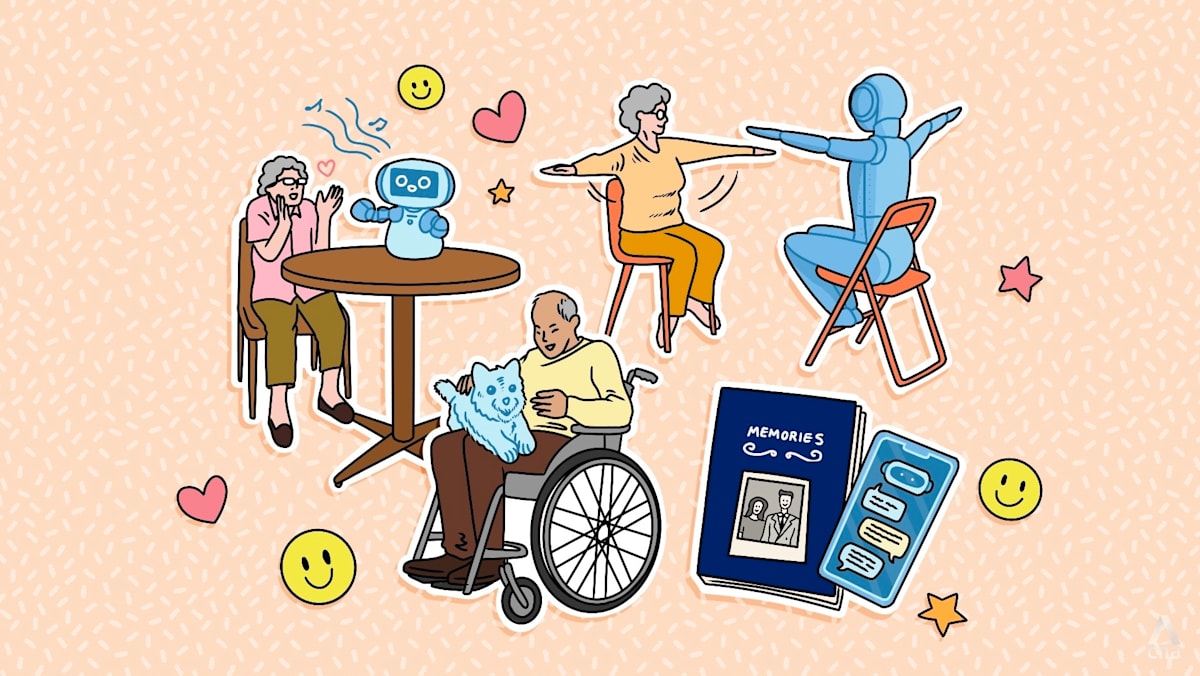
The agency has also started using phone calls powered by artificial intelligence to check in on seniors and match them with activities based on their interests, with the aim of keeping them engaged and connected.
REDESIGNING SPACES
With the number of seniors living alone set to rise, other social service organisations are also rethinking how best to engage future generations of retirees.
For example, Presbyterian Community Social Services (PCS) is exploring ways to redesign its spaces to make them more welcoming and inclusive.
Its chief executive officer Andrew Lim said many existing senior spaces may unintentionally deter participation.
“Most of the spaces that we are seeing that are supposed to be the third place for seniors are age-specific in design. It's not encouraging them to enter unless they feel that they need to,” he noted.
“But (in) the case of PCS, what we hope to be able to deliver is a space that they want to come to as a third place within the community, so that they can walk out from their home and be part of this space and be able to, therefore, at a fundamental level, address the issue of isolation.”
This means taking time to understand seniors’ aspirations as they approach and enter retirement, he added.
For Mdm Sereena, being intentional with how she spends her time has allowed her to embrace life on her own terms.
“There are exercises, hobbies, workshops – they’re free, and you need to step up to find what suits you. And when you take part in its activities, you end up making friends,” she said.