 3 months ago
75
3 months ago
75
BEIJING: Thailand and Cambodia plan to rebuild mutual trust and gradually consolidate a ceasefire after weeks of border clashes, Beijing said in a communique with the two countries following talks in southwestern China.
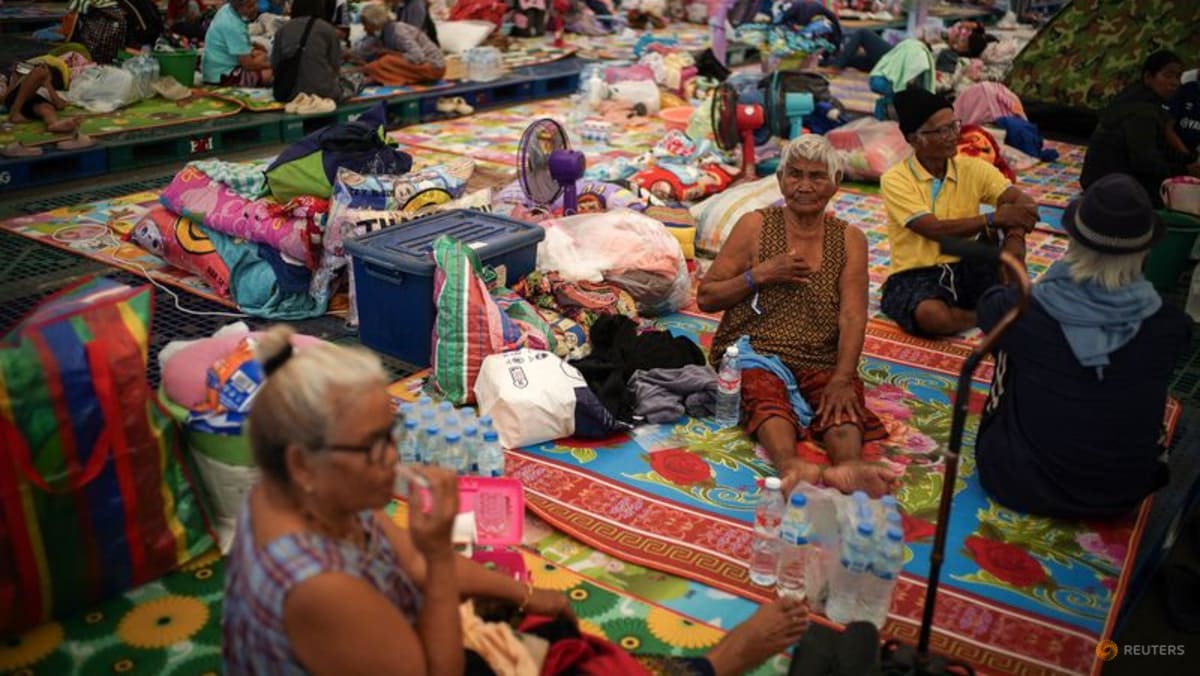
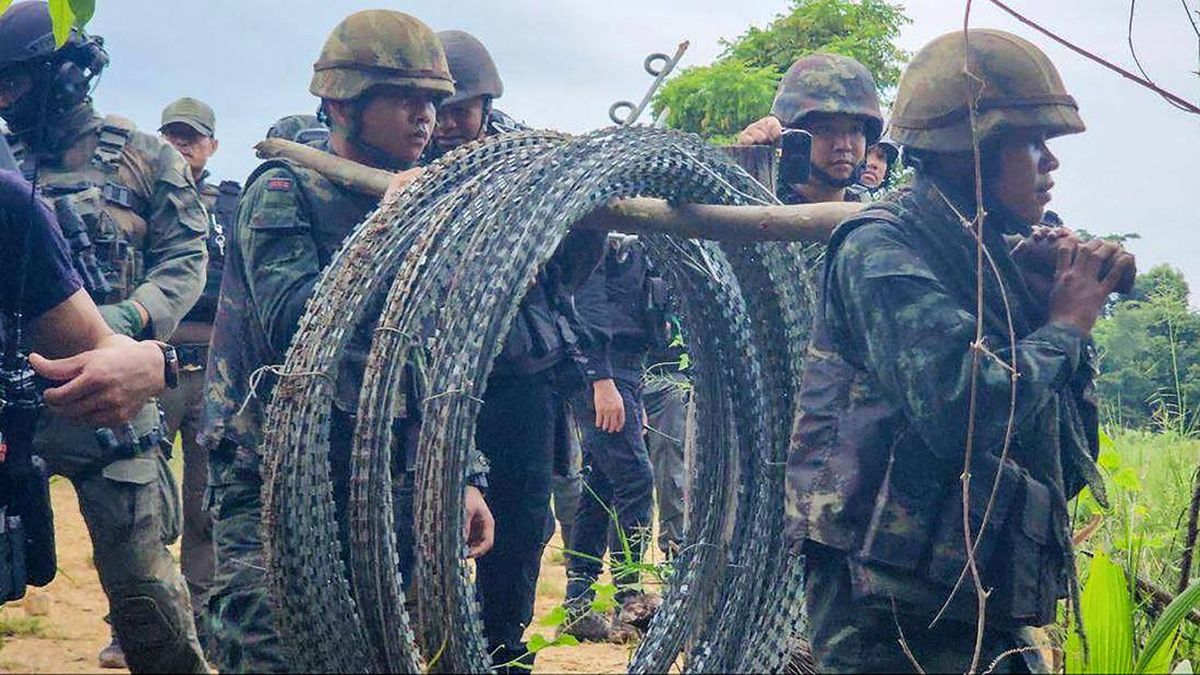
The Southeast Asian neighbours on Saturday (Dec 27) ended weeks of fierce fighting that killed at least 101 people and displaced more than half a million with their second ceasefire since late October.
Thailand and Cambodia's top diplomats travelled to the Chinese province of Yunnan for trilateral talks with Chinese Foreign Minister Wang Yi to discuss the border situation on Sunday and Monday.
In a meeting with his Thai and Cambodian counterparts, Wang called the ceasefire "hard-won", and urged the two nations not to abandon it halfway or allow fighting to resume.
"Discussions between the three parties were beneficial and constructive, and an important consensus was reached," Wang said, according to a statement released by his ministry, which did not mention ASEAN's role in facilitating a ceasefire.
The parties involved must "look forward and move forward", Wang added.
Thailand and Cambodia will "rebuild political mutual trust, achieve a turnaround in relations, and maintain regional peace", according to a joint communique released by China's official Xinhua news agency.
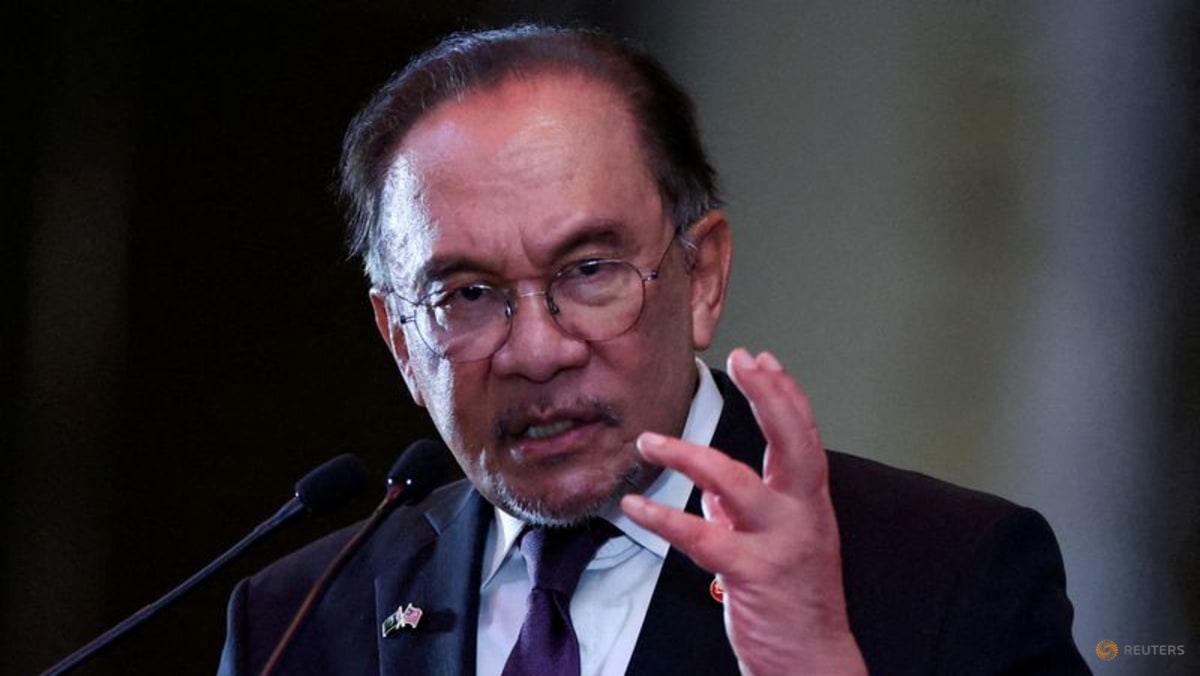
The latest round of clashes began early this month after a breakdown in a ceasefire that US President Donald Trump and Malaysian Prime Minister Anwar Ibrahim helped broker on the sidelines of the ASEAN Summit in Kuala Lumpur to halt a previous round of fighting.
"The implementation of the ceasefire agreement requires continued communication and consultation, and the restoration of bilateral relations must also proceed gradually," Wang said on Monday.
Thai and Cambodian defence officials also joined the talks in China.
Diplomats and defence officials from Thailand and Cambodia held a number of bilateral meetings, the Chinese foreign minister said, adding that both sides held in-depth discussions and showed a "positive and open attitude".
HOPES FOR PEACE EXPRESSED
Cambodian Foreign Minister Prak Sokhonn said he believed the latest ceasefire would last and would create an environment for both countries to work on their relations and resume the previously agreed-upon ways to settle their differences, according to a Chinese interpreter.
Thai Foreign Minister Sihasak Phuangketkeow also expressed hopes for peace with neighbouring countries, the interpreter said.
The Thai Foreign Ministry later said in a statement that China volunteered to be a platform to support peace between the two countries and Thailand reiterated that adjustments of ties should be conducted "on a step-by-step basis".
"The Thai side will consider the release of 18 soldiers after the 72-hour ceasefire observation period and requests that Cambodia facilitate the return of Thais along the border," the ministry said.
A day after the fresh pact was signed, Sihasak and Prak Sokhonn held separate meetings with Wang on Sunday.
The meetings represented China's latest efforts to strengthen its role as an international mediator and, in particular, its influence in Asian regional crises.
As China grows and becomes more of an economic and political force regionally and globally, Beijing has spent the past decade and more working in various ways to increase its voice as a third party in diplomatic matters.
The Saturday agreement calls for Thailand, after the ceasefire has held for 72 hours, to repatriate 18 Cambodian soldiers who have been held prisoner since the earlier fighting in July. Their release has been a major demand of the Cambodian side.
The agreement also calls on both sides to adhere to international agreements against deploying land mines, a major concern of Thailand.
Cambodian Prime Minister Hun Manet on Monday issued a statement to all Cambodian combatants along the border with Thailand.
"Even though we can still fight," he said, "as a small country, we still have nothing to gain from prolonging the fighting for a long time".