
 2 hours ago
2
2 hours ago
2
You’ve likely seen the dramatic transformations on your social media feed – a receding hairline or sparse parting suddenly looks filled in, creating the appearance of a much fuller head of hair. What looks almost like magic is actually scalp micropigmentation, a cosmetic procedure that has been gaining traction in the beauty and aesthetics scene.
The technique, which involves skin micropigmentation (also known as cosmetic tattooing), isn’t exactly new. If you’re familiar with eyebrow microblading or semi-permanent makeup, you’ll have an idea of how it works – these treatments similarly involve depositing specialised pigments into the skin.
It’s easy to see why scalp micropigmentation is becoming increasingly popular. For anyone bothered by thinning hair, it can seem like a relatively straightforward way to disguise sparse areas without surgery. But is it really the quick fix it appears to be? How exactly does it work on the scalp, and more importantly, is it suitable for everyone?
Dr Shirley Kwee, medical director of Cambridge Medical Group, shares what you should know about the procedure – and the points worth considering before committing to it.
WHAT IS SCALP MICROPIGMENTATION?
 (Photo: iStock)
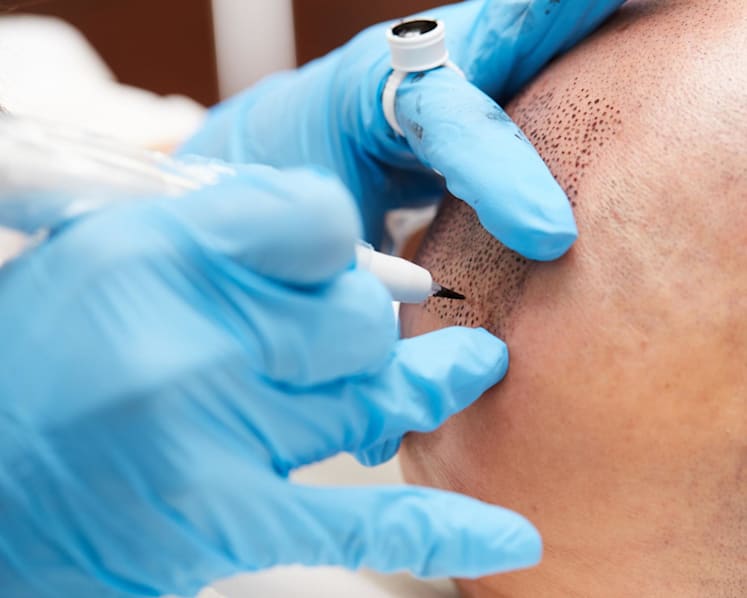
Scalp micropigmentation is a non-surgical procedure that works somewhat like a tattoo: Pigments are deposited superficially into the scalp using tiny, superfine needles. Small dots of pigment are strategically placed to mimic the appearance of individual hair follicles, helping to camouflage bald or sparse areas and create the illusion of greater hair density.
While cosmetic tattooing has been around for centuries, the use of micropigmentation on the scalp was first documented in the early 1990s by Dr Alvaro C Traquina, a hair transplant doctor who used the technique to camouflage surgical scars on his patients.
The technique was later refined by Ian Watson and Ranbir Rai-Watson, founders of HIS Hair Clinic in the UK, who developed it into a cosmetic procedure in the noughties. Fast-forward to the 2020s, and scalp micropigmentation has become a mainstream aesthetic treatment sought out by both men and women who want their hair to appear fuller.
IT’S NOT QUITE THE SAME AS A TATTOO
 (Photo: iStock)
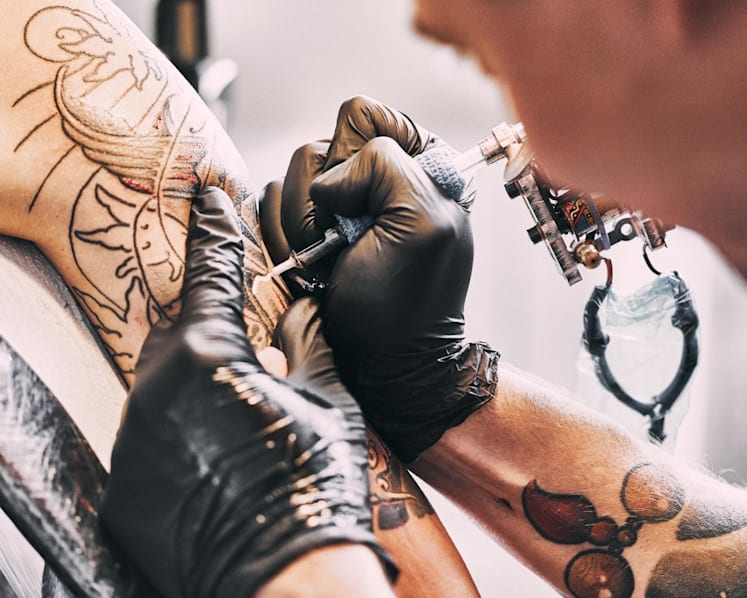
While scalp micropigmentation is technically a form of cosmetic tattooing, Dr Kwee noted that it differs significantly from a traditional body tattoo in its purpose, depth, pigments and application technique.
“Scalp micropigmentation is performed more superficially, with the pigment placed within the upper layers of the skin. The objective is to create very small, precise follicular impressions, rather than the deeper, more permanent pigment deposition associated with conventional tattooing,” she explained.
The pigments used for scalp micropigmentation are formulated to mimic natural hair tones, while the needles are extremely fine so that the practitioner can create minuscule dots resembling hair follicles. In other words, the aim isn’t to create an obvious design with ink, but to make the pigment blend convincingly with the hair that’s already there.
Scalp micropigmentation is also considered semi-permanent – which can be an advantage. As your hair-loss pattern, hair colour or style preferences change with age, the treatment can be adjusted accordingly.
“The pigment gradually fades over time, and patients may require maintenance or touch-up sessions. The exact longevity varies depending on factors such as the individual's skin, sun exposure, lifestyle, pigment used and technique,” said Dr Kwee.
IT’S A PURELY COSMETIC FIX
It isn’t difficult to find somewhere offering scalp micropigmentation these days. The service is available from aesthetic doctors and beauty practitioners, and there are even salons in Singapore specialising solely in scalp micropigmentation – an indication of just how sought-after the treatment has become.
“Its popularity reflects how common hair loss is and how significantly it can affect a person's confidence and self-image. At the same time, many people are looking for options that are less invasive than hair transplantation,” commented Dr Kwee.
Scalp micropigmentation can be an effective cosmetic fix for people with male or female pattern hair loss, receding hairlines, thinning at the crown or more generalised thinning. It can also be used to camouflage scars on the scalp, including those left behind by hair transplant procedures.
But there’s one important distinction to make: It disguises the appearance of hair loss; it doesn’t treat it.
“It is, however, important to emphasise that scalp micropigmentation is a cosmetic procedure. It doesn’t stimulate hair growth, restore damaged hair follicles or treat the underlying cause of hair loss,” said Dr Kwee.
WHAT YOU SHOULD KNOW BEFORE JUMPING IN
1. Find out what’s causing your hair loss first
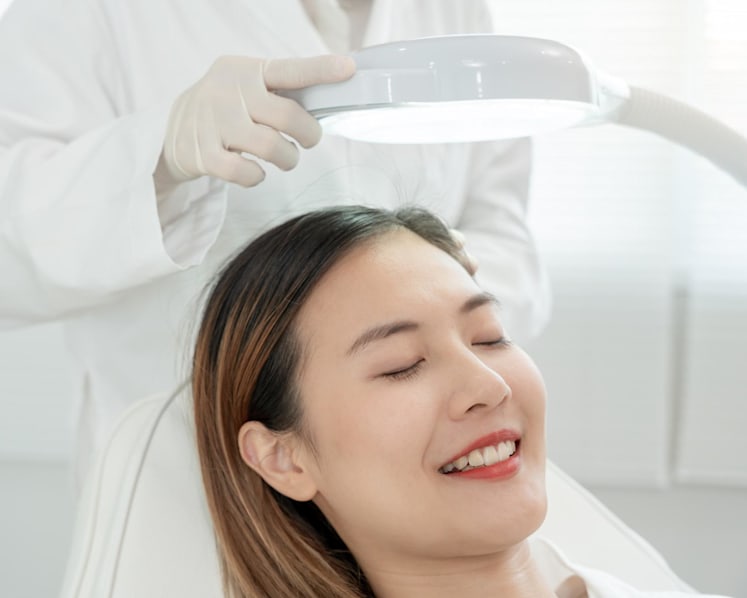
Before booking an appointment, understand the pattern and possible cause of your hair loss, and consult a medical professional if necessary.
“If someone has unexplained, sudden or rapidly progressing hair loss, I would not recommend going straight for scalp micropigmentation without first establishing what is happening,” advised Dr Kwee.
 (Photo: iStock)
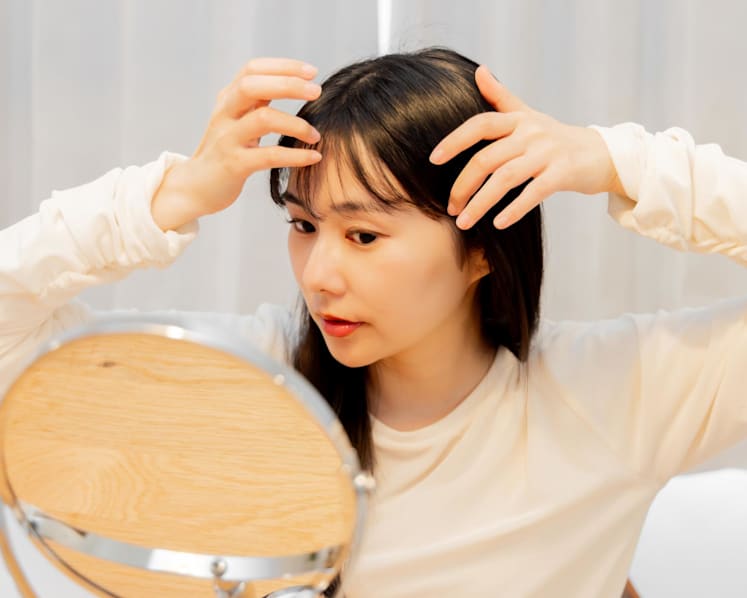
It’s also important to determine whether your hair loss has stabilised. If your hair continues to thin significantly after scalp micropigmentation, the overall effect of the treatment may change – and you may need additional work to keep the result looking natural.
2. Technique and experience matter – a lot
When choosing where to have scalp micropigmentation done, the practitioner’s skill and the centre’s hygiene standards should be at the top of your checklist.
Be it a doctor or beauty practitioner, look for someone with specific experience in scalp micropigmentation, sound infection-control practices and, importantly, a strong portfolio of healed results that look natural.
Dr Kwee pointed out that being a doctor doesn’t necessarily make someone a better scalp micropigmentation practitioner, as hands-on experience and skill are crucial.
“The result is highly dependent on skill. Poor pigment placement, inappropriate colour or excessive density can result in an unnatural appearance,” she explained.
If you have an active scalp condition, however, consulting a doctor may be the wiser first step, as they will be better positioned to assess the condition and advise whether scalp micropigmentation is appropriate.
3. It isn’t easily reversible
Yes, the pigment fades over time, but that doesn’t mean scalp micropigmentation should be treated like a temporary beauty experiment. If you don’t like the result, removing or correcting it can be costly, uncomfortable and unpredictable.
“When results fall short of expectations, laser tattoo removal can occasionally be utilised to fade or eliminate the pigment. The final result remains uncertain as this can cause temporary hair bleaching and uneven fading. Corrective scalp micropigmentation or alternative remedies may be required after,” warned Dr Kwee.
The takeaway? Choose your practitioner, hairline design, pigment colour and treatment plan carefully before committing.
4. There is some downtime
 (Photo: iStock)
Scalp micropigmentation may be non-surgical, but the treatment still involves making multiple tiny punctures in the skin. Temporary redness, mild swelling, sensitivity or discomfort can occur afterwards, although these effects typically resolve within a few hours to several days.
“The downtime is limited compared with that of surgical hair restoration, but the scalp still needs to heal, and it is important to follow aftercare instructions. As with any procedure that breaks the skin, there is a potential risk of infection. There can also be inflammatory or allergic reactions to the pigment,” shared Dr Kwee.
Before proceeding, clarify any questions you have about the procedure, the pigments being used, aftercare and maintenance, as well as what options are available if you’re unhappy with the result.
5. You’ll need maintenance eventually
Scalp micropigmentation isn’t a one-off treatment. Because the pigments gradually fade, touch-ups will eventually be required to keep the effect looking realistic and defined.
When you’ll need one varies considerably. A touch-up could be required as soon as a year after the initial procedure, or only five years or more later. Factors such as the pigments used, the extent of the treatment, sun exposure, lifestyle and your skin type can all affect how quickly the colour fades.
6. Results will vary
 (Photo: iStock)
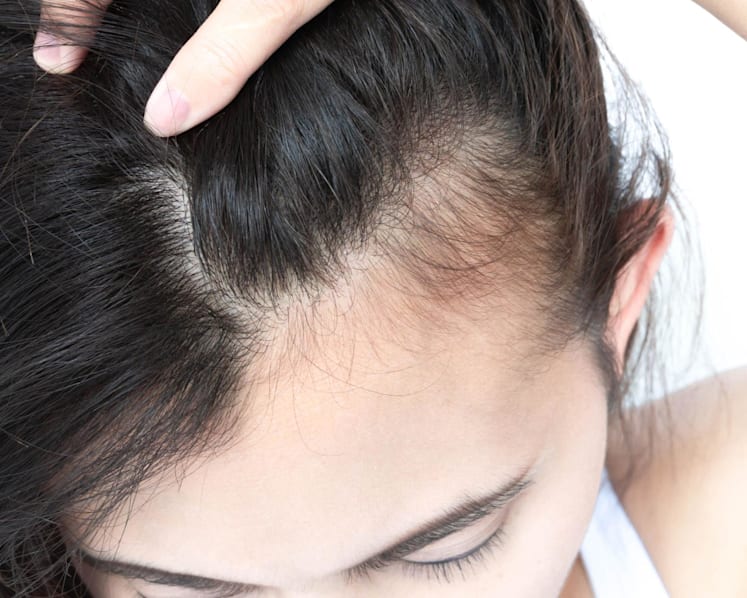
Scalp micropigmentation can be used for both men and women, but not everyone will achieve the same degree of improvement. How convincing the result looks depends on factors such as the underlying cause and extent of hair loss, how much natural hair remains, scalp health and the aesthetic outcome you’re hoping for.
Scalp micropigmentation creates the illusion of greater density rather than replacing missing hair, so results may be more noticeable in some cases than others.
7. It’s not simply a matter of matching one pigment to your hair
Black and brown may be the primary colours associated with scalp micropigmentation, but a convincing result can involve considerably more nuance.
Application techniques and pigment shades can be customised according to the individual. Neutralising tones may be used to achieve a natural-looking effect on grey, blonde or other light-coloured hair, while different shades and combinations of pigments may be applied across different areas of the scalp according to your natural hair colour, growth and density.
The goal, after all, is for the pigment to disappear into the overall look of your hair – not announce itself.
8. The cost depends on how much work you need
Scalp micropigmentation services can start from around S$300, but the final bill depends largely on the size of the treatment area and complexity of the work required. Naturally, a larger area or a more intricate application will take more time and cost more.
Most people will require between two and four treatment sessions to achieve the desired result, although this isn’t a hard-and-fast rule. Some may need only a single session, while more extensive or complex cases can require more than four.
Ultimately, scalp micropigmentation can be a clever way to make thinning hair look noticeably fuller without undergoing surgery. But its seemingly instant visual payoff shouldn’t obscure the fact that it is still a procedure involving pigment deposited into the skin – and one whose success depends heavily on the practitioner’s technique, your existing hair-loss pattern and realistic expectations about what it can and cannot do.
Think of it as camouflage rather than a cure: Done well, it can make hair loss far less noticeable, but it won’t make new hair grow.