 3 months ago
125
3 months ago
125
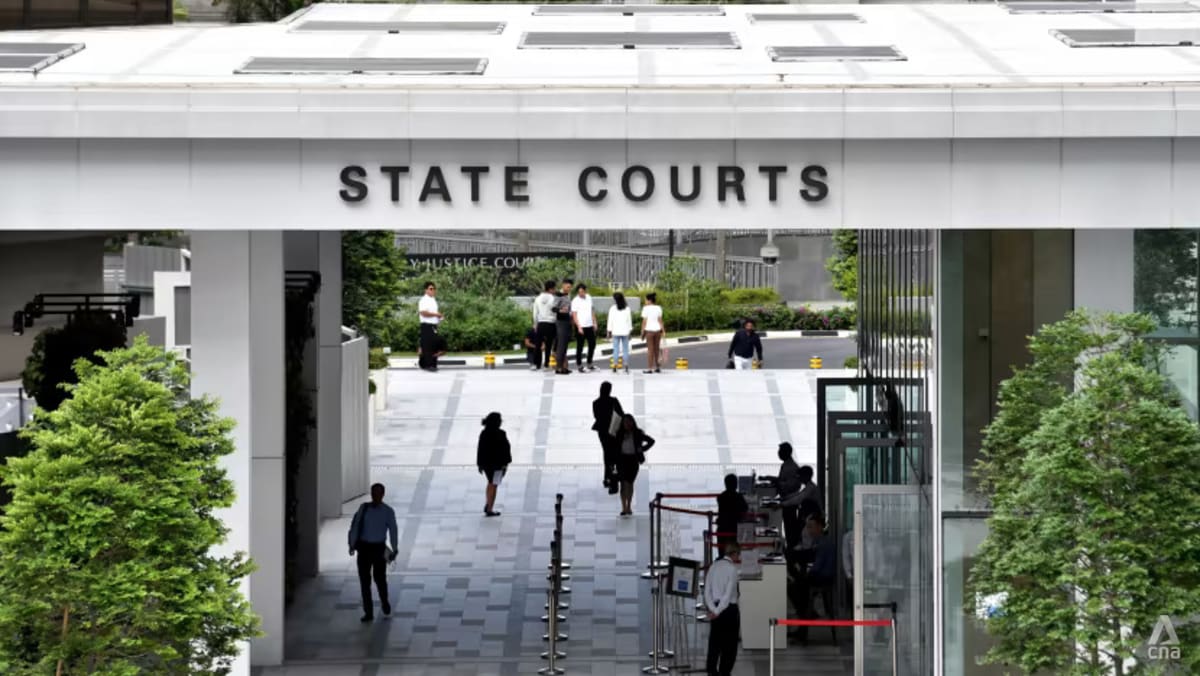
SINGAPORE: The Gambling Regulatory Authority (GRA) will undergo a leadership change in June, the Ministry of Home Affairs (MHA) said on Friday (Apr 10).
Mr Tan Sin Heng Daniel, the current Traffic Police Commander, will succeed Mr Teo Chun Ching as GRA chief executive on Jun 2.
Mr Teo, 52, who is also concurrently deputy commissioner of police (policy), will relinquish his appointment as GRA chief executive on the same day.
Mr Teo oversaw the transformation of the Casino Regulatory Authority into GRA in 2022, after the agency's regulatory scope was expanded from casinos to all gambling products.
"The reconstitution widened the regulatory framework and positioned GRA as a comprehensive regulator in a rapidly evolving industry," said MHA.
"At the same time, several gambling legislations were repealed and replaced by a new Gambling Control Act that enabled gambling regulations to be regularly updated and enhanced."
In the role, Mr Teo also "spearheaded GRA’s digital and data transformation, enhanced system security and resilience, and built advanced analytics to inform regulatory policies that mitigate problem gambling and money laundering", said MHA.
This allowed GRA to "effectively stay ahead of technological and gambling trends, respond to emerging gambling products, and develop holistic and coherent policies to regulate the gambling industry in Singapore", added MHA.
Under his charge, GRA, a statutory board under MHA, also worked with its parent ministry to introduce major changes to the Casino Control Act in 2024 to "modernise and future-proof the regulatory regime for casinos".
Mr Tan, the incoming chief executive, has held key appointments in MHA, including deputy commissioner of policy and transformation at the Singapore Prison Service (SPS), as well as director of planning and organisation at the Singapore Police Force.
As commander of the Traffic Police, Mr Tan, 54, oversaw legislative changes that strengthened road safety, including revisions to the demerit points system and expansion of speed limiter requirements for heavy vehicles, said MHA.
Under his leadership, the Traffic Police stepped up the use of technology in operations, including using Electric Vehicle Expressway Patrol cars with advanced technological features to improve the police's response to incidents, as well as using AI-enabled analytics to improve the detection of traffic violations.
In his previous role as deputy commissioner of policy and transformation at the SPS, he also spearheaded major initiatives, said MHA.
These included a five-year communications masterplan to support SPS in its rehabilitation mission, the formation of a Field Officer Response Team to better support inmates on community-based programmes and reduce recidivism rates.