 3 months ago
157
3 months ago
157
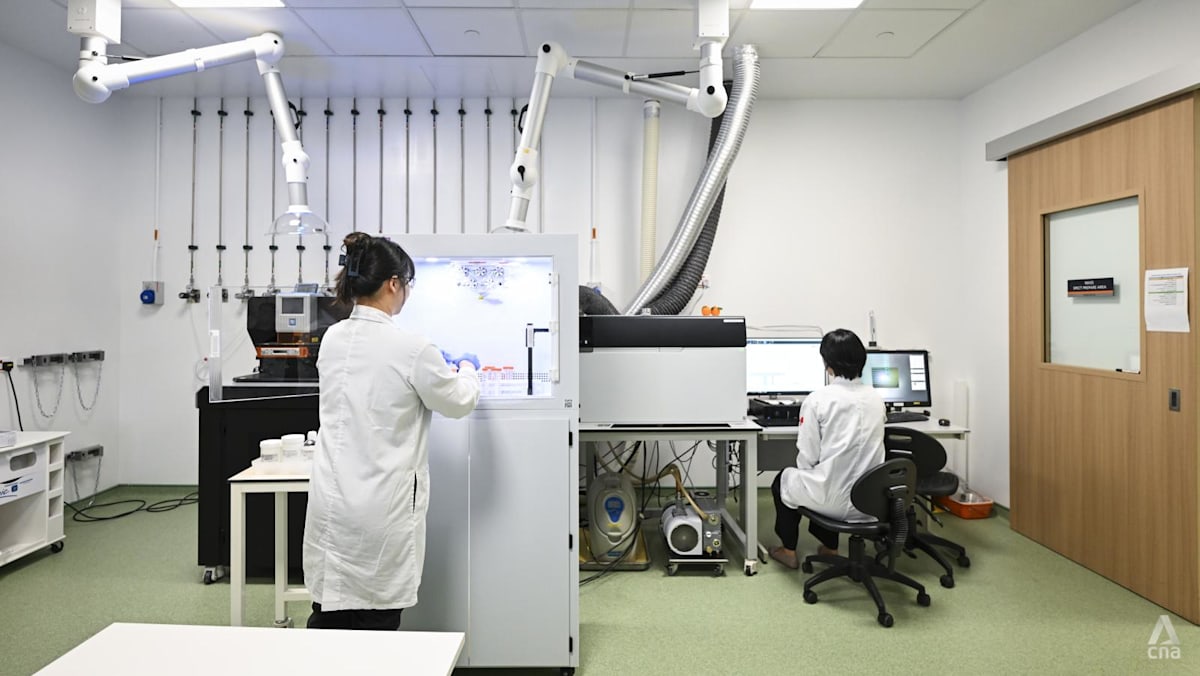
SINGAPORE: The National Radiochemistry Laboratory has been designated as an International Atomic Energy Agency (IAEA) collaborating centre from 2026 to 2030, said the National Environment Agency (NEA) on Thursday (Mar 26).
Under the designation, the NEA laboratory will lead the development of regional radiological monitoring and emergency response capabilities.
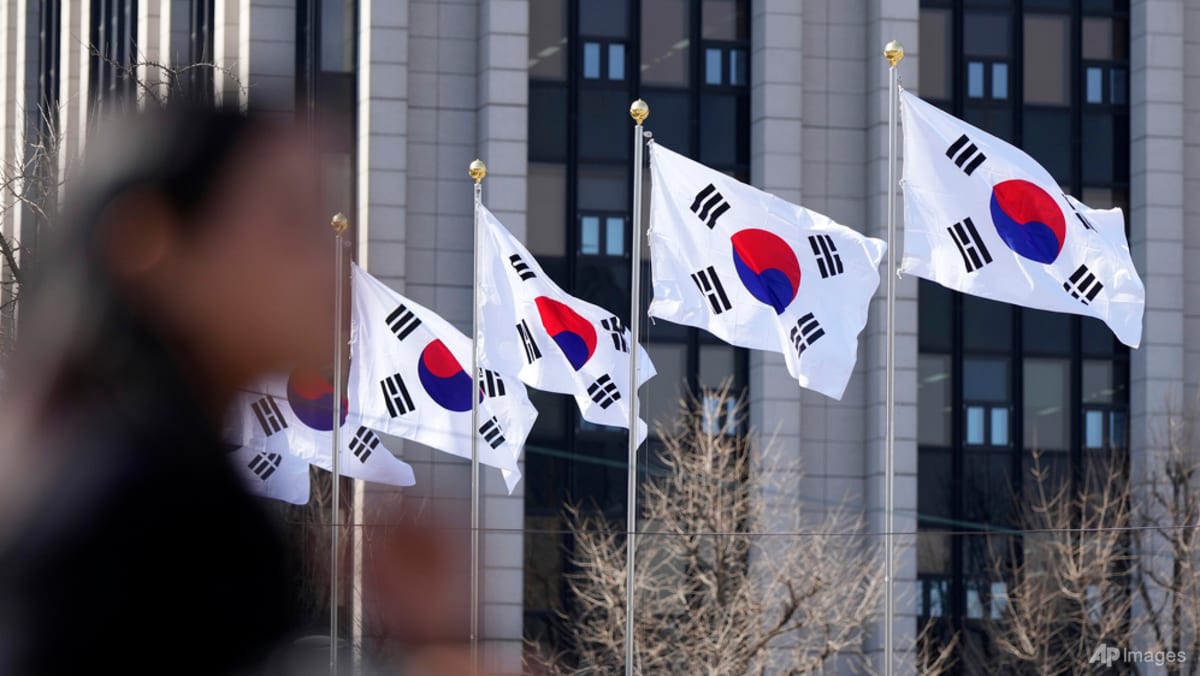
It is the first IAEA collaborating centre on radiochemistry in Southeast Asia, and joins the likes of South Korea's Institute of Nuclear Safety and Switzerland's Spiez Laboratory.
"As an IAEA partner centre, NRL will share knowledge about radiochemistry analysis – the science of measuring radioactive materials," said NEA, adding that the laboratory will work closely with the Singapore Nuclear Research and Safety Institute.
"This will be done by combining radiochemistry analysis with environmental monitoring to support research and assess radiation exposure.
Minister for Sustainability and the Environment Grace Fu said in a Facebook post that the designation recognises the expertise that Singapore has built in radiochemistry since 2017.
"As an IAEA collaborating centre, NRL will be providing training and harmonising monitoring approaches in the region," she said.
"This supports Southeast Asia's nuclear safety infrastructure in environmental monitoring and emergency preparedness."
The designation was formalised through an agreement signed by Mr Wong Kang Jet, NEA's chief executive officer, and Ms Najat Mokhtar, the IAEA deputy director general.
It followed a review by the IAEA Committee for Coordinated Research Activities in nuclear sciences and applications, which found that the National Radiochemistry Laboratory possesses the necessary infrastructure, expertise, and established internal and regional collaborations to support the IAEA's programme in Asia Pacific.
Mr Wong said: “With growing regional interest in nuclear energy to meet future energy needs, it is crucial that we work together to uphold the highest safety standards.”
On Thursday, NEA also announced that it will commission three studies on nuclear safety and the environmental impact of such power facilities.
The studies will examine international safety standards and regulatory frameworks, as well as environmental considerations tied to nuclear power facilities, including how to safeguard public health and prevent accidents.
Singapore has said it has not made any decision on deploying nuclear energy, but is closely monitoring global developments and strengthening its expertise in the field.