 3 months ago
117
3 months ago
117
SINGAPORE: A law allowing Singtel special discounted shares to be transferred from the Central Provident Fund (CPF) Board to shareholders' Central Depository (CDP) accounts was passed on Thursday (May 7).
Tabled last month, the CPF (Amendment) Bill allows shareholders to hold and manage these shares directly. According to CPF and Singtel, 615,000 Singaporeans hold the shares, and about three in five have individual CDP accounts.
Members of Parliament (MPs) supported the move, but raised concerns over possible scams and the creation of designated accounts for those who currently do not have CDP accounts.
The youngest holders of special discounted shares are above 50 years old.
MP Patrick Tay (PAP-Pioneer) asked what measures are in place to protect shareholders from scammers who may exploit the transfer exercise.
MP Melvin Yong (PAP-Radin Mas) added: "Of particular concern is the heightened risk of scams and mis-selling. Once these shares are directly owned and easily tradable, they become a potential target."
MP Jamus Lim (WP-Sengkang) also asked if the changes could inadvertently open up less savvy Singaporeans to scam risks.
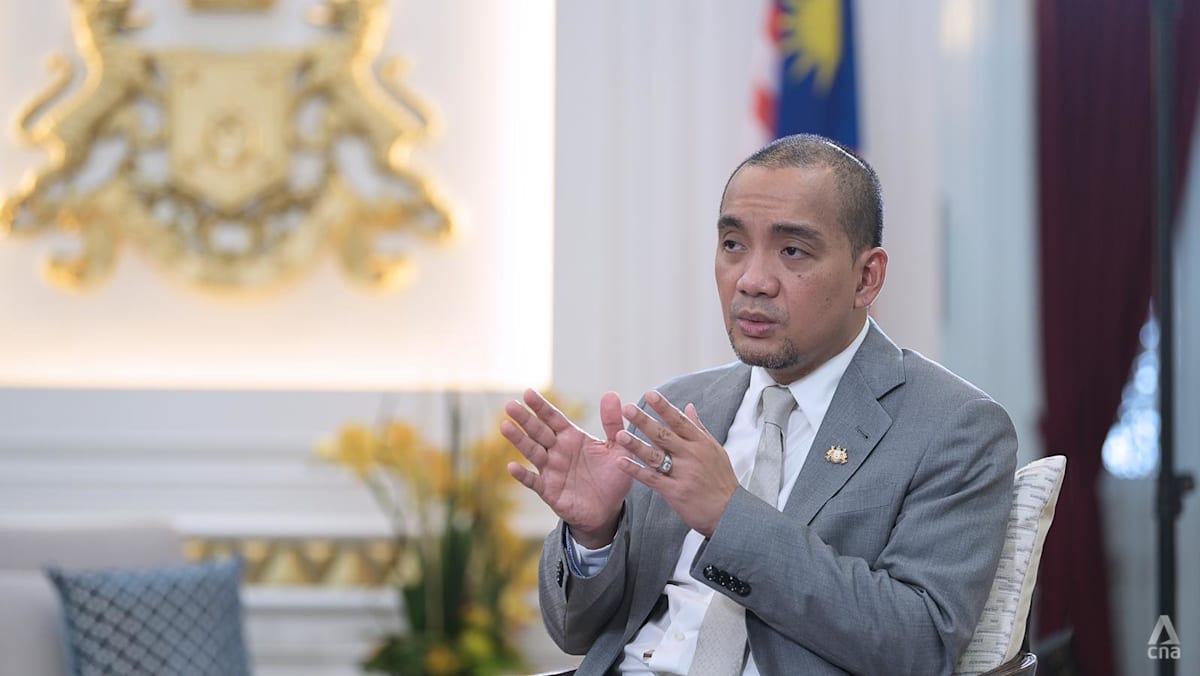
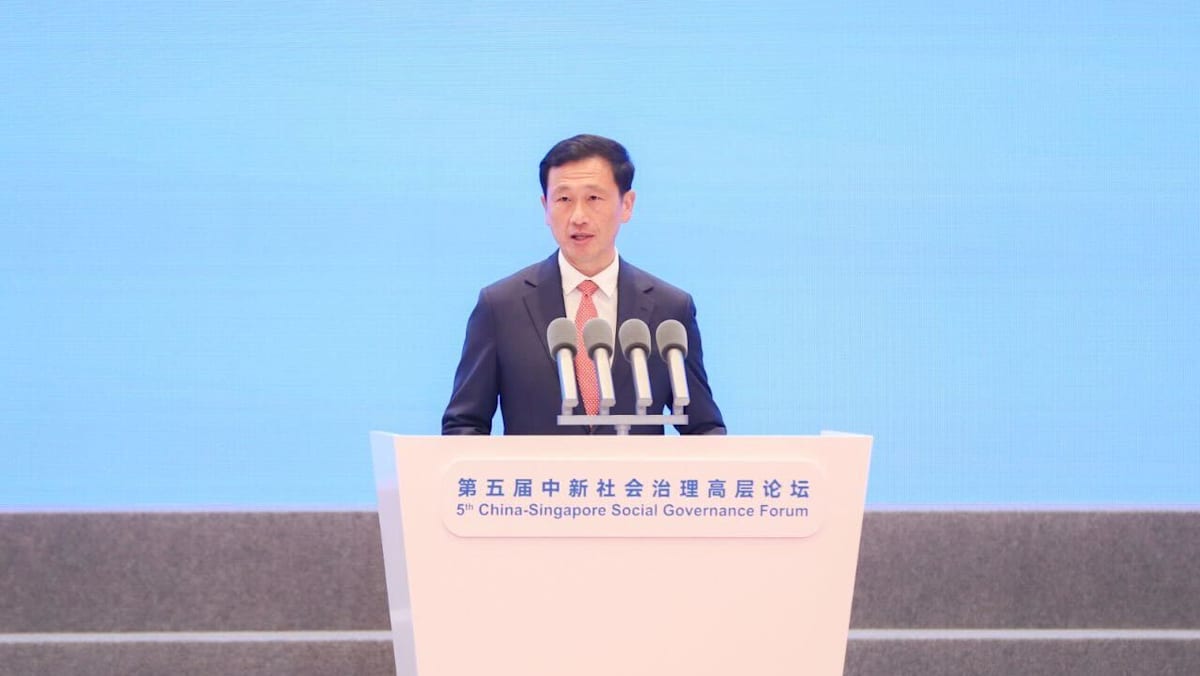
In response, Minister of State for Manpower Dinesh Vasu Dash said such concerns are legitimate and important, adding that multiple layers of safeguards have been built into the transfer exercise to prevent potential scams.
Among the measures, personalised notification letters containing each shareholder's specific details will only be sent to their verified address on record, ensuring that individualised information is directed solely to the intended recipient, he said.
The authorities have identified over 20,000 shareholders who may need greater assistance, Mr Dinesh said.
As part of outreach efforts, accessible physical touchpoints are available for those less comfortable with digital platforms.
These include a dedicated hotline, as well as Singapore Post branches and CPF Service centres across Singapore.
Key publicity collaterals and notification letters have also been translated into vernacular languages to ensure those comfortable in their mother tongue can access important information "clearly and easily", added Mr Dinesh.
DESIGNATED ACCOUNTS
For those who have CDP accounts, their special discounted shares will be automatically transferred to these accounts.
Shareholders who do not have accounts will have their shares transferred to designated CDP accounts created in their names. This transfer is planned for Nov 21.
From Apr 8, subsidiary legislation was changed to waive CPF’s withdrawal conditions for the sale of the shares. This means that those who hold the shares and choose to sell them can withdraw the proceeds in cash, Singtel and the CPF Board said previously.
Shareholders who wish to sell can do so either online, in person at SingPost branches or through select SGX brokers. The payment will be made to the shareholders’ registered bank account with the CPF Board.
As of the end of April, 13 per cent of the shareholders, or around 83,000, have sold their shares, said Mr Dinesh.
In response, Mr Dinesh said that this decision was made recognising that not everyone needs an individual CDP account, particularly those who do not intend to trade or hold other shares.
The government also cannot open individual CDP accounts on behalf of shareholders because doing so requires them to complete comprehensive compliance screenings, including tax residency declarations and risk appetite assessments, he added.
The Singtel special discounted shares scheme was introduced in October 1993, when Singtel became a publicly listed company.
Through the scheme, Singaporeans who were CPF members could buy Singtel shares at a discounted price during its IPO in 1993 and again in 1996 using their CPF funds.
The shares, sold in two tranches in 1993 and 1996, are also known as ST "A" shares and ST2 shares respectively.
At the time, the CPF Board was appointed as the trustee for Singtel’s special discounted shares. The scheme was introduced as part of the government’s plans to make Singapore a share-owning society, giving Singaporeans a greater stake in the country.
Singtel is the first and only company that sold shares through this scheme, with more than a million Singaporeans buying shares at the time.
Mr Dinesh said the special discounted shares scheme has already achieved its intent of building up the assets of CPF members.
"This move also reflects how far we have come since the scheme's inception," he added.
"With the transfer, SDS (special discounted shares) holders will benefit from greater control, and those who do not wish to participate in the transfer can also choose to realise the capital gains that they have made over the decades."
After the parliamentary session, Singtel Group CFO Arthur Lang said the passing of the Bill provides clarity and certainty for holders of special discounted shares.
"This marks the end of a positive chapter, and we are pleased that the Singtel SDS scheme launched over 30 years ago has served its purpose in encouraging Singaporeans to have a stake in the economic success of the country," he added.
"Going forward, our commitment is to work with the CPF Board, CDP and our other partners to complete this exercise in a way that is orderly, well-supported and firmly in the best interests of all our shareholders.”
Singtel said that over the past month, there have been about 60,000 walk-ins to the 36 SingPost branches across the country.
The SDS hotline run by Singtel also received about 6,800 calls as of end-April, with 300 calls daily on average. Wait times for both SingPost and the SDS hotline have been well within the set service quality standards, the telco added.
"An exercise of this scale is a significant and complex logistical undertaking, with preparations months in the making," said Mr Lang.
"Together with the CPF Board, CDP and our other stakeholders, we took every care to ensure that systems and service levels would cope with the potential crowd so that SDS holders would be well supported, whatever avenue they turn to for assistance."