 3 months ago
136
3 months ago
136
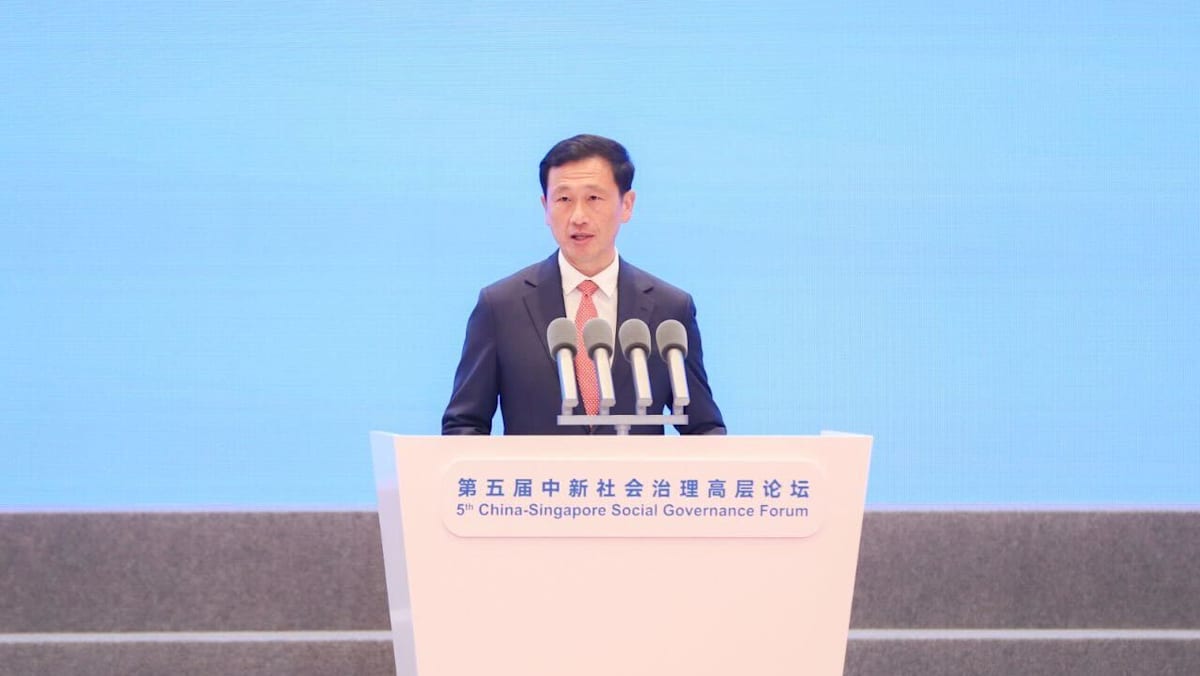
SINGAPORE: Schools use caning as a disciplinary measure only when all other options are inadequate, given the gravity of the misconduct, said Minister for Education Desmond Lee on Tuesday (May 5).
Responding to more than 20 parliamentary questions on the Ministry of Education's (MOE) updated efforts to tackle bullying, Mr Lee acknowledged that studies link poorly administered and frequent corporal punishment – particularly in unregulated settings such as the home – with negative outcomes.
“We recognise this, and I want to emphasise that the context in our schools is quite different," said Mr Lee.
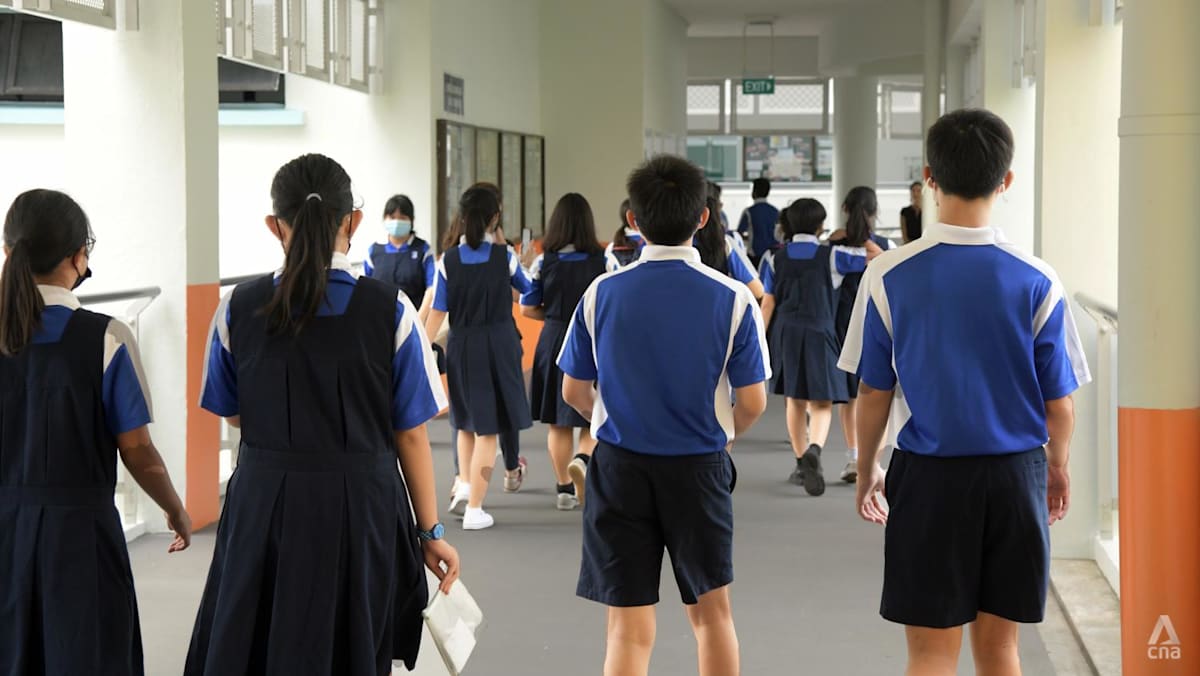
Schools follow strict protocols when caning is considered: for example, it must be approved by the principal and administered only by authorised teachers. Schools also take into account the student's maturity and whether the measure would help him learn from his mistake.
“If it is used, it is never administered in isolation but always as part of a suite of restorative and disciplinary measures,” said Mr Lee.
After caning, schools monitor the student's well-being, provide counselling and support rehabilitation.
MOE announced a stricter framework for student misconduct in April. Students who bully others can face suspension, caning and lowered conduct grades – similar to the guidelines introduced for vaping offences.
First-time offenders of serious misconduct face one to three days of detention and/or suspension, an adjusted conduct grade, and older boys may receive one stroke of the cane if there are aggravating factors.
The approach is grounded in research showing that children and youth make better choices when there are "clear boundaries enforced by firm and meaningful consequences", Mr Lee said.
“This has a positive impact on reducing bullying and enables the school community to feel safe to learn in an orderly environment.”
Mr Lee stressed that caning applies only to boys, and only for egregious violations, in line with the Criminal Procedure Code, which prohibits the caning of women.
This does not mean that girls who bully are less culpable, he said. Schools adopt a tiered approach ensuring all students face consequences proportionate to their actions. Girls may receive detention, suspension, conduct grade adjustments and other school-based consequences.
CYBER INCIDENTS, SUPPORTING TEACHERS
On cyber safety, Mr Lee said MOE recognises the seriousness of cyberbullying and will continue to guide schools on managing online incidents.
When the Online Safety Commission launches at the end of June, victims of online harms such as harassment, doxxing and intimate image abuse will be able to seek more timely assistance, he said. Schools will support affected students and guide them to report cases to the commission.
For students with special educational needs or mental health conditions who are hurt, schools will first address immediate safety concerns.
“Trained school personnel will also look out for signs of distress that may not be immediately visible or explicitly communicated, and provide timely and appropriate support,” Mr Lee said.
The intent is to help affected students regain their confidence and restore their sense of safety and well-being, he added.
For students with such conditions who hurt others, the priority is helping them understand the impact of their behaviour on others.
MOE also announced in April that schools will get additional needs-based funding to hire youth workers, pastoral care officers and parent liaison officers – roles intended to support student management and ease teachers' workloads.
Mr Lee acknowledged that the workload for school staff may rise as schools implement the new recommendations, but said it should stabilise as processes and norms become clearer. If the measures successfully reduce bullying upstream, the overall burden on staff should ease.
The ministry is also developing an offence management system to support case investigation, documentation and monitoring.
On suggestions to set up a centralised anti-bullying unit, Mr Lee said schools are best placed to manage such cases, with MOE headquarters providing support.
“Our teachers know their students well and understand the dynamics of their school communities,” he said.
CONSISTENCY AND FAIRNESS
MP Abdul Muhaimin Abdul Malik (WP-Sengkang) asked how MOE ensures school-level discretion over caning does not produce significant disparities, and what oversight exists to ensure mitigating factors such as special educational needs and mental well-being are properly assessed beforehand.
Mr Lee said the ministry seeks to balance consistency and fairness against the need for case-by-case discretion. Through cluster arrangements and more frequent sharing and conferencing among schools, MOE would be able to ensure fairness while allowing each case to be assessed on its merits, he said.
On oversight, Mr Lee said teachers, counsellors, welfare officers and community mental health providers would collectively ensure proper oversight when any form of discipline or rehabilitative measure is administered.
MP Sylvia Lim (WP-Aljunied) raised concerns about AI-generated fake obscene images circulating in schools, and asked what recourse exists when perpetrators are unknown.
Mr Lee said the numbers remain small but are being closely monitored, and the ministry will work with the Online Safety Commission to tackle such incidents.
“It's not an easy task, because there could be proliferation around different platforms, so that work will have to be not just immediate, but follow through for some time yet.”
In cases where perpetrators cannot be identified, MOE would work with both the commission and the police, he said.
MP David Ho (PAP-Jurong East-Bukit Batok) asked what guidance schools receive on choosing between in-school and out-of-school suspension, and whether guided reflection is available in the latter scenario.
Mr Lee said some students do not perceive out-of-school suspension as punitive and may not feel sufficiently deterred. In-school suspension, administered by teachers who know their students well, allows schools to better reinforce that serious misconduct carries real consequences, he said.