 3 months ago
162
3 months ago
162
The year was 1973. An oil embargo from Arab oil-producing nations against nations supporting Israel sent shockwaves through the global economy, pushing oil prices from around US$3 to over US$11 per barrel within months.
For a young Singapore heavily dependent on imported oil, this came as a blow, especially as it was unfolding amid an ongoing food crisis sparked by a year of poor harvests globally and sharply rising prices for essential agricultural products such as wheat and rice.
As the crisis hit, Singapore's gross domestic product growth fell from 11 per cent in 1973 to 7 per cent in 1974, before hitting a post-independence low of 4 per cent in 1975. Inflation jumped from 2 per cent in 1972 to a whopping 22 per cent by 1974.
By the end of 1974, oil prices had stabilised and the world eventually adjusted to higher oil prices.
More than three decades later in 2008, rising oil prices hit the Singapore economy again. Financial speculation and robust growth in developing economies drove the price of crude oil to new highs, eventually touching a record US$147 per barrel by mid-July of that year.
This pushed inflation in Singapore to a 26-year high of 7.5 per cent in May that year, as transportation, energy and food costs surged.
And in 2022, another shock: Oil prices spiked to around US$139 amid market supply fears following Russia's invasion of Ukraine.
Inflation in Singapore hit 6.1 per cent, the fastest rate of increase in consumer prices since 2008, as the rise in oil prices once again contributed to higher costs for transportation, energy and food, while economic growth slowed to 3.8 per cent that year, from 7.6 per cent in 2021.
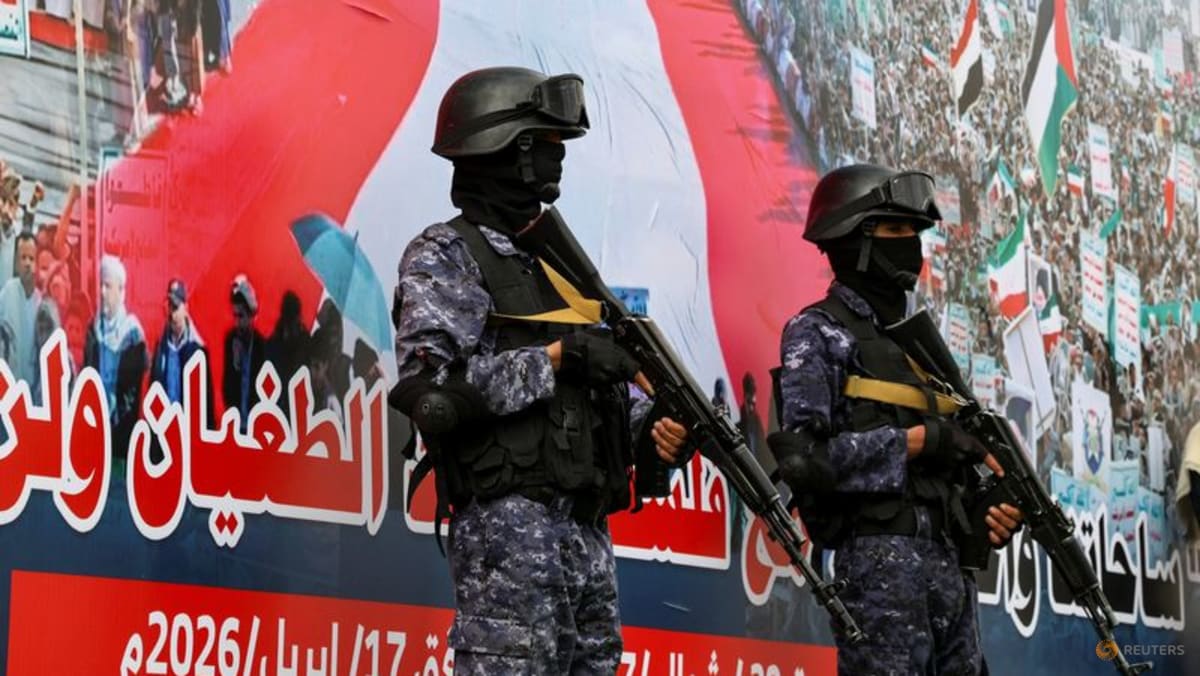
History looks to be repeating itself yet again. In the past five weeks, oil and gas prices have surged as the United States and Israel carried out military strikes across Iran.
But this is not a simple echo of the price shocks of before. For one, the International Energy Agency (IEA), which was formed in 1974 to ensure energy security through international cooperation in response to the 1973 oil crisis, has called it the "largest supply disruption in the history of the global oil market".
Unlike some previous shocks, when prices moved mostly on demand-led speculation, this crisis involves a physical inability to move oil: Iran has effectively blocked the Strait of Hormuz, a narrow waterway connecting the Persian Gulf with the Gulf of Oman and the Arabian Sea, in retaliation against the US and Israeli strikes.
The strait is a key node for energy supplies: Last year, about a quarter of the world's seaborne oil trade – or around 20 million barrels per day of crude oil and oil products – passed through it.
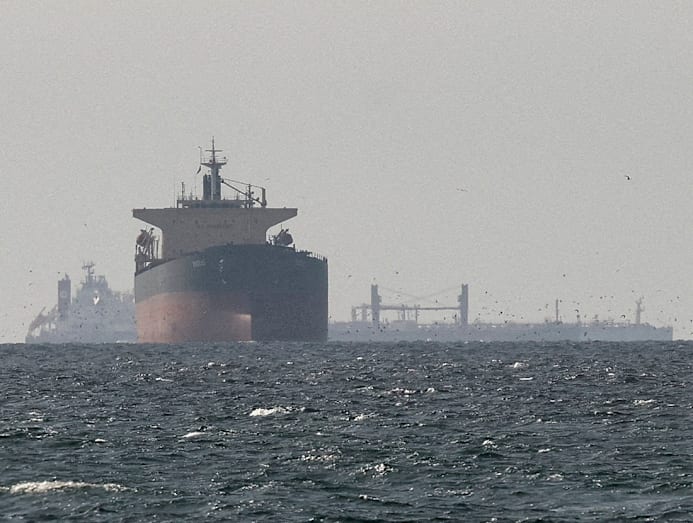 Cargo ships in the Gulf, near the Strait of Hormuz, as seen from northern Ras al-Khaimah, near the border with Oman’s Musandam governance, amid the US-Israeli conflict with Iran, in United Arab Emirates, March 11, 2026. (Photo: Reuters)
This blockage is hitting the region especially hard, so much so that Singapore's Foreign Affairs Minister Vivian Balakrishnan has called it an "Asian crisis".
In 2025, about 80 per cent of the crude oil and oil product shipments and 90 per cent of liquefied natural gas (LNG) exported through the Strait of Hormuz were bound for Asian markets, according to the IEA.
Singapore, which now uses imported natural gas as the main fuel to generate around 95 per cent of its electricity, is directly exposed to any potential disruption affecting natural gas markets.
Furthermore, as infrastructure in the Middle East that serves oil and gas to the global market has been damaged and destroyed during the ongoing conflict, supply will not be easily resumed even if politics changes, said Dr David Broadstock, partner at The Lantau Group, an energy consultancy.
In March, QatarEnergy's chief executive officer and state minister for energy affairs told Reuters that Iranian attacks have knocked out 17 per cent of Qatar's LNG export capacity, causing an estimated US$20 billion in lost annual revenue and threatening supplies to Europe and Asia.
In recent years, Qatar has been a major supplier of natural gas to Singapore, providing about 25 per cent of gas arriving here, noted Dr Broadstock.
Thus, the closure of the production facilities in Ras Laffan, a major industrial hub located on the northeastern coast of Qatar, is of critical importance. And so is the closure of the Strait of Hormuz, since it is the only pathway for ships to reach Qatar.
Since the war on Iran began, Singapore's authorities have said that the nation is prepared for multiple contingencies even as there is no clear end to the hostilities in sight.
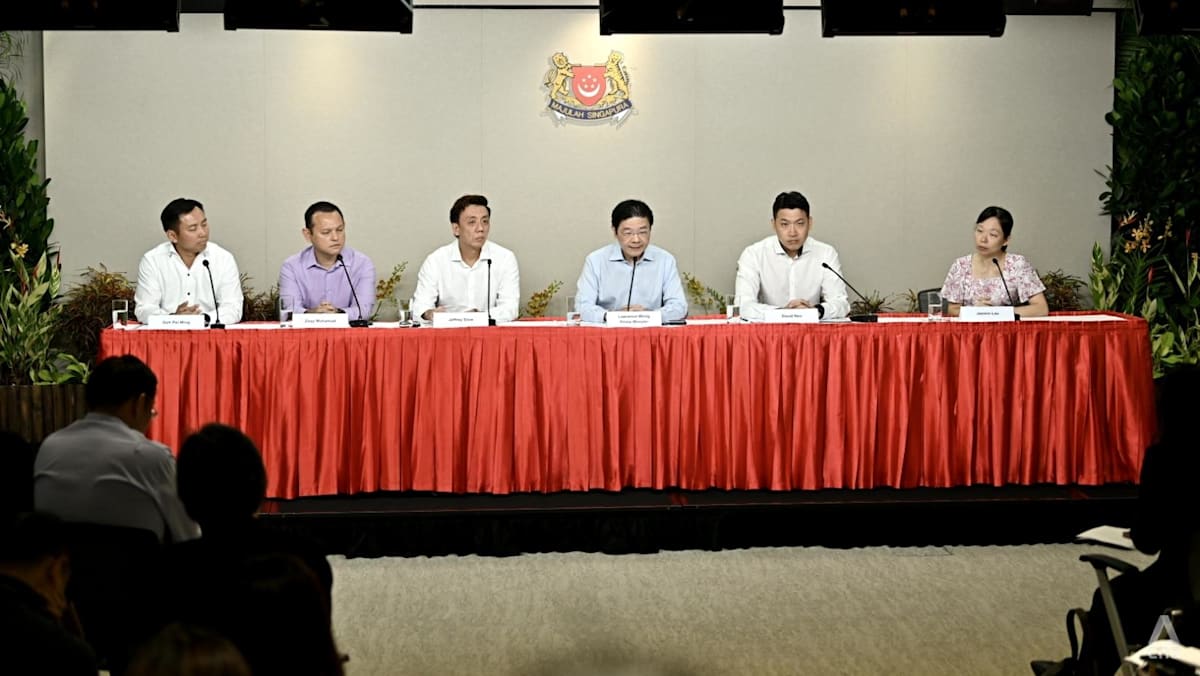
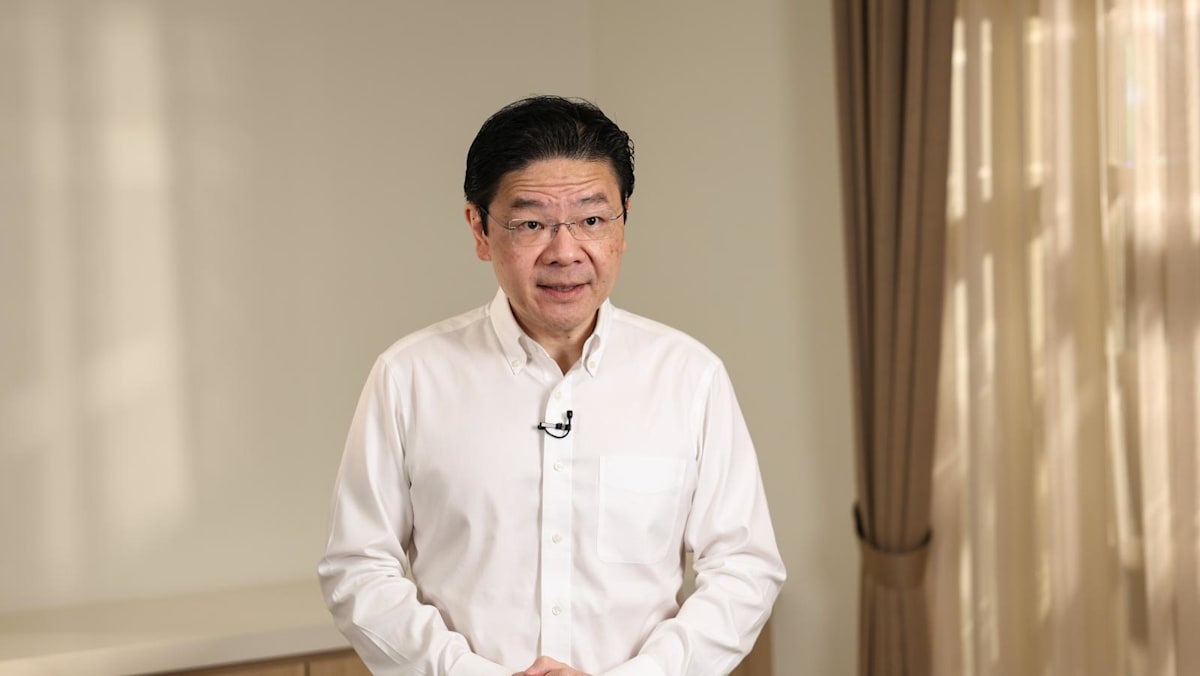
In a video message on Thursday (Apr 2), Prime Minister Lawrence Wong announced a new Homefront Crisis Ministerial Committee to coordinate Singapore's response to the "unprecedented developments" in the Middle East.
The team, chaired by Coordinating Minister for National Security K Shanmugam and with Deputy Prime Minister Gan Kim Yong as adviser, is updating existing contingency plans and developing new ones to strengthen Singapore's energy and supply chain resilience, he said.
"For now, we have been able to manage the immediate disruptions. Our refineries and chemical companies are adjusting – scaling back production, and sourcing crude oil and feedstock beyond the Middle East. Our LNG importers are securing alternative supplies from global producers," said Mr Wong.
He also warned of "severe consequences" if Middle Eastern energy sources and supply routes remain constrained for an extended period.
But to be sure, the Singapore navigating this current crisis is not the same one that weathered the shocks of the 1970s or even the 2000s, having since diversified its energy sources, built up strategic stockpiles and invested in infrastructure designed to buffer against supply disruptions.
"I would be careful about drawing a straight line to 2008; the similarity is imported inflation and weaker global confidence, but the difference is that Singapore today is far more tied to gas and LNG dynamics," said Professor Lee Poh Seng, executive director of the Energy Studies Institute at the National University of Singapore (NUS).
Even as Singapore remains heavily reliant on imported natural gas, experts said changes in the national energy strategy have strengthened the country's ability to absorb short-term shocks.
In the longer term, however, experts said the most recent disruption will likely renew urgency around securing Singapore's energy resilience, be it through developing renewable energy options like solar power or importing electricity from the region, in an increasingly volatile world.
SECURING SINGAPORE'S ENERGY SUPPLY
By the early 2000s, Singapore had moved from using oil fuel to natural gas for cleaner power generation.
And in line with power sector decarbonisation goals and to manage growing energy demand, Singapore has adopted a "four switches" approach, focusing on solar power, natural gas, regional power grids and low-carbon alternatives.
In response to queries from CNA TODAY, a spokesperson from the Energy Market Authority (EMA) said that although the ongoing Middle East conflict has disrupted global fuel supply chains and led to significantly higher oil and gas prices globally, Singapore maintains "multiple lines of defence" to safeguard its energy supply, including diversifying natural gas sources.
Piped natural gas from Malaysia and Indonesia made up 43 per cent of Singapore's gas supplies in 2025. The rest of its gas supplies was LNG from multiple sources, such as Australia, the US, Africa and the Middle East, the spokesperson added.
Singapore has also had a Standby LNG Facility since 2021, which power generation companies can draw from to generate electricity if needed, and diesel reserves to safeguard against any disruptions in natural gas supply, EMA said.
 An LNG tank on Jurong Island on Mar 20, 2026. (Photo: CNA/Abel Khoo)
Mr Pang Lu Ming, vice president of gas and LNG research at consultancy Rystad Energy, said LNG can be purchased on a long-term contract, with the contracted price typically linked to the oil price with some averaging or lag factors. It can also be purchased on the spot market, which will come with the volatility of the short-term market.
Despite Singapore’s small size compared to its Southeast Asian neighbours, Mr Pang noted that Singapore is the second biggest importer of LNG with about 6.9 million tonnes of LNG imported in 2025, behind Thailand’s 10.85 million tonnes.
Being heavily reliant on gas, Singapore has built a robust portfolio of gas and LNG supplies, and the volume of active long-term LNG contracts exceeds the expected volume of LNG demand in 2026, which implies a reduced exposure to the spot market in a normal year, said Mr Pang.
"This is typically not the case in other Southeast Asian countries, where they will still have more than a 40 per cent exposure to the spot market," he noted.
In May 2025, Singapore GasCo, a fully government-owned entity, was established to centralise the procurement and supply of natural gas to the power sector in Singapore.
The establishment of Singapore GasCo is an example of Singapore's approach to building its energy security portfolio as it centralises gas procurement, seeks more diverse supply sources and aims for longer-term contracts to improve price and supply stability, said Prof Lee from NUS.
The challenge that Singapore faces today with regard to the current conflict in the Middle East is thus not around buying energy from Iran directly, but the fact that is a small, import-dependent economy plugged into a global energy system in which the Strait of Hormuz remains a critical chokepoint, he added.
"In other words, Singapore is exposed not because it lacks planning, but because it sits downstream of a highly interconnected and geopolitically fragile energy system," said Prof Lee.
SOUTHEAST ASIA'S RESPONSE TO THE CRISIS SO FAR
Across imported fossil-fuel reliant Southeast Asia, the strain of the closure of the Strait of Hormuz is already visible.
Thai Prime Minister Anutin Charnvirakul has ordered civil servants to conserve energy in a bid to reduce demand amid an energy squeeze brought on by the conflict in the Middle East.
 Riders with vehicles queue to fill up fuel at a gas station amid the US-Israeli conflict with Iran, in Bangkok, Thailand, Mar 26, 2026. (Photo: Reuters)
The Philippines, meanwhile, has declared a national energy emergency in light of the crisis, and the "resulting imminent danger posed upon the availability and stability of the country’s energy supply".
In Laos, schools have been ordered to cut back in-person classes to three days a week to help families deal with volatile fuel prices.
Mr Suwanto, the head of Fossil Fuels, Hydrocarbon and Minerals department at the ASEAN Centre for Energy said countries such as Thailand, Malaysia, Vietnam and the Philippines source around 60 to 95 per cent of crude oil from the Middle East.
"Singapore remains one of the more resilient energy systems in Southeast Asia within the current situation, in terms of the origin of imported oil, which is more diverse compared to other neighbours, as well as its energy landscape," said Mr Suwanto, who goes by one name.
But unlike its Southeast Asian neighbours, Singapore's very limited domestic energy resources and land means it cannot fall back on domestic coal, hydro, geothermal or large-scale renewables in the way some others could.
Given a lack of natural resources, Singapore’s response to energy shocks is thus "unusually focused" on robust system design through diversification, infrastructure, procurement strategy and institutional coordination, said Prof Lee from NUS.
That strategy was tested through the early gas market disruptions arising from the Russia-Ukraine war, when Singapore's near-exclusive dependence on natural gas for power generation made shielding from extreme fuel price volatility more urgent than for most regional peers, said Dr Broadstock from The Lantau Group.
Ever since then, he added, it is clear that authorities understand the importance of reacting quickly to global developments.
"Singapore has arguably been more pro-active than most nations, not only those within the region, in assessing the scale of exposure and taking remedial measures," he said.
He pointed to the authorities' quick reaction in the ongoing crisis by, for example, having in conversations with key economic and trade partner Australia to lock in crucial fuel supplies.
Based on World Bank data from 2024, 39.4 per cent of Singapore's LNG is imported from Australia, with the next largest sources being Qatar and Mozambique.
Additionally, Singapore's strong fiscal position means that it can "tide through this crisis much longer", said Mr Sharad Somani, partner and head of Infrastructure at KPMG Asia Pacific.
The government, he noted, has multiple levers such as targeted support measures to help households and businesses manage rising costs and Singapore's strong currency also provides some cushion against imported inflation.
WHAT TO EXPECT IN THE MONTHS AHEAD
Yet even with strong buffers, Singapore cannot be insulated entirely from the current crisis, and the effects of the disruption are already beginning to show.
On Tuesday, SP Group and City Energy said the household electricity and gas tariffs from April to June would be higher than in the previous quarter.
EMA said in a media factsheet the same day that further and potentially sharper increases in electricity and town gas tariffs in subsequent quarters are also likely.
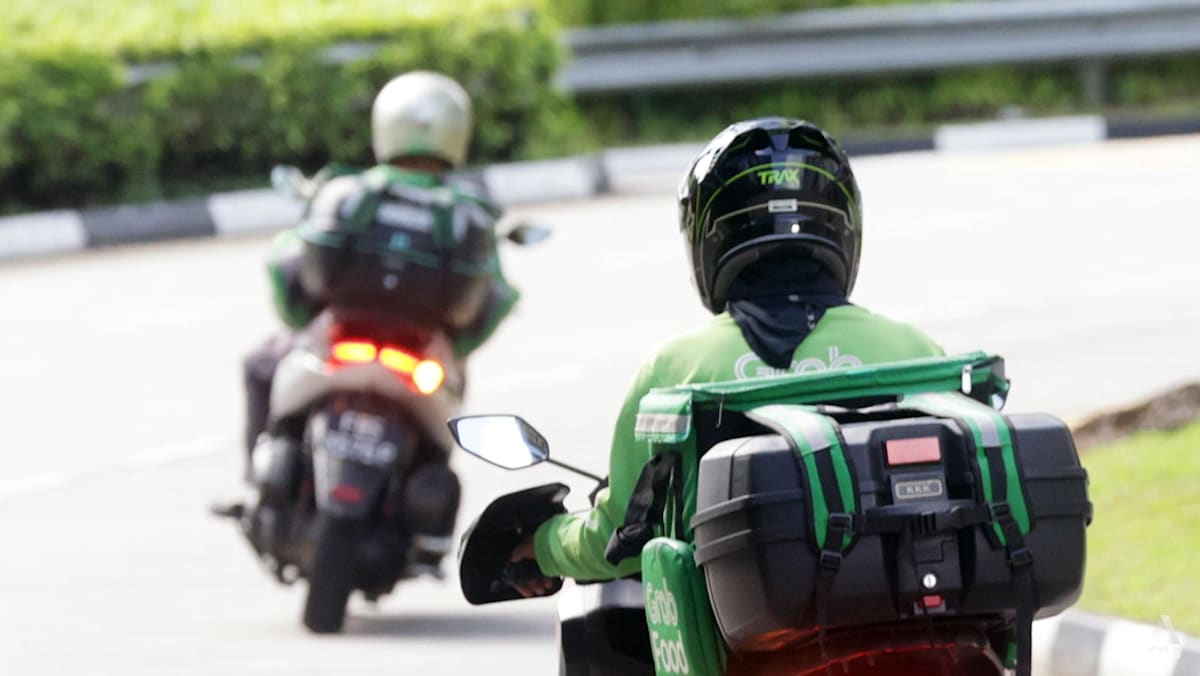
Meanwhile, ride-hailing platform Grab will temporarily raise its fuel surcharge from S$0.50 (US $0.39) to S$0.90 amid volatile fuel prices.
 A Cnergy Queensway petrol station on Mar 18, 2026. (Photo: CNA/Justin Tan)
As diesel prices surged past S$4 a litre, outpacing petrol, some transport and logistics businesses in Singapore are reportedly feeling the pinch as operating costs climb.
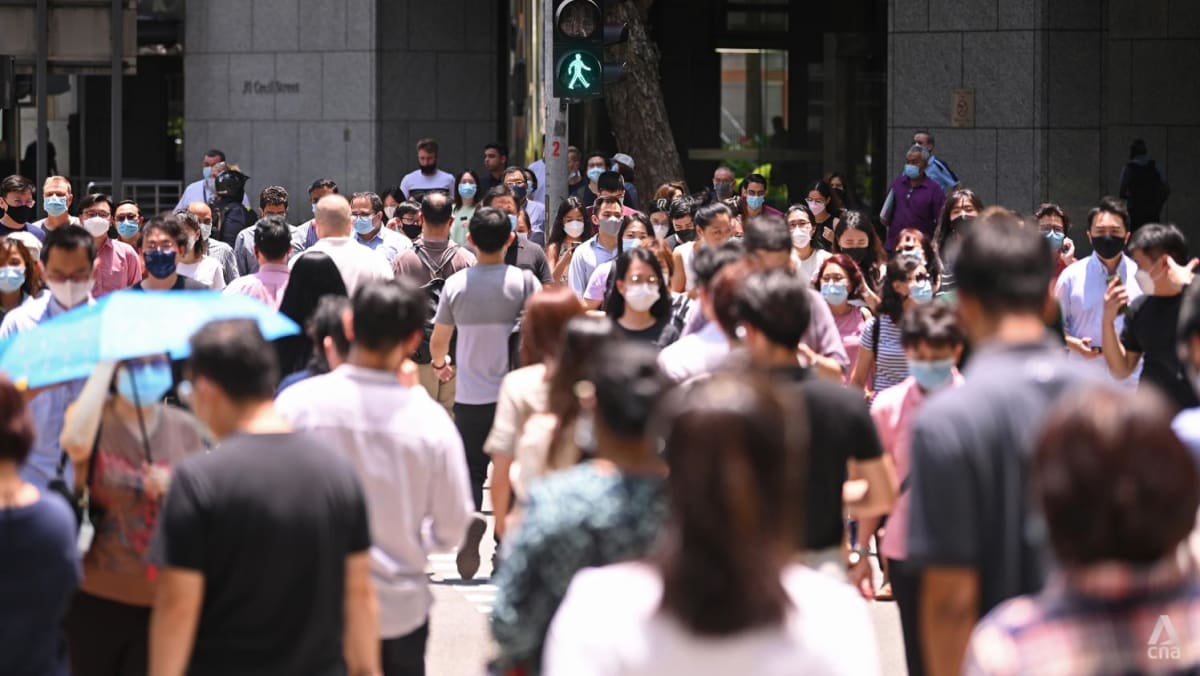
Mr Somani from KPMG Asia Pacific said Singaporeans should brace for higher petrol prices, double-digit increases in utility bills and broader inflationary pressures.
"The worst-case situation that comes to mind, if this war continues for another few months, is that we might be testing something like a 1973 oil crisis, which had a huge impact on economies and the fear of stagflation will come in," said Mr Somani.
Stagflation refers to an economic condition defined by a combination of slow economic growth, high unemployment and high inflation.
Given that energy is a scarce and expensive resource in the current climate, Mr Somani said it is important for commercial, industrial and residential users to be mindful of their energy consumption.
All in all, Singaporeans should be prepared for a "bumpier ride ahead", including higher electricity and town gas prices, the EMA spokesperson told CNA TODAY.
The spokesperson pointed to existing government measures to support households and businesses, including U-Save rebates and Climate Vouchers for households, and the Resource Efficiency Grant for Emissions and Energy Efficiency Grant for businesses.
"Everyone can play a part in energy conservation. Property owners are also encouraged to install solar panels and harness the benefits of solar energy," said EMA.
Even in the optimistic scenario that the Strait of Hormuz is reopened in April, 2026 oil prices are already projected to average about 50 per cent higher compared with the start of the year, and spot LNG prices are likely to average 70 per cent higher compared with the start of the year, said Rystad Energy's Mr Pang.
"The longer it takes for the Strait of Hormuz to reopen, the more likely that oil and gas prices will stay higher for longer," said Mr Pang.
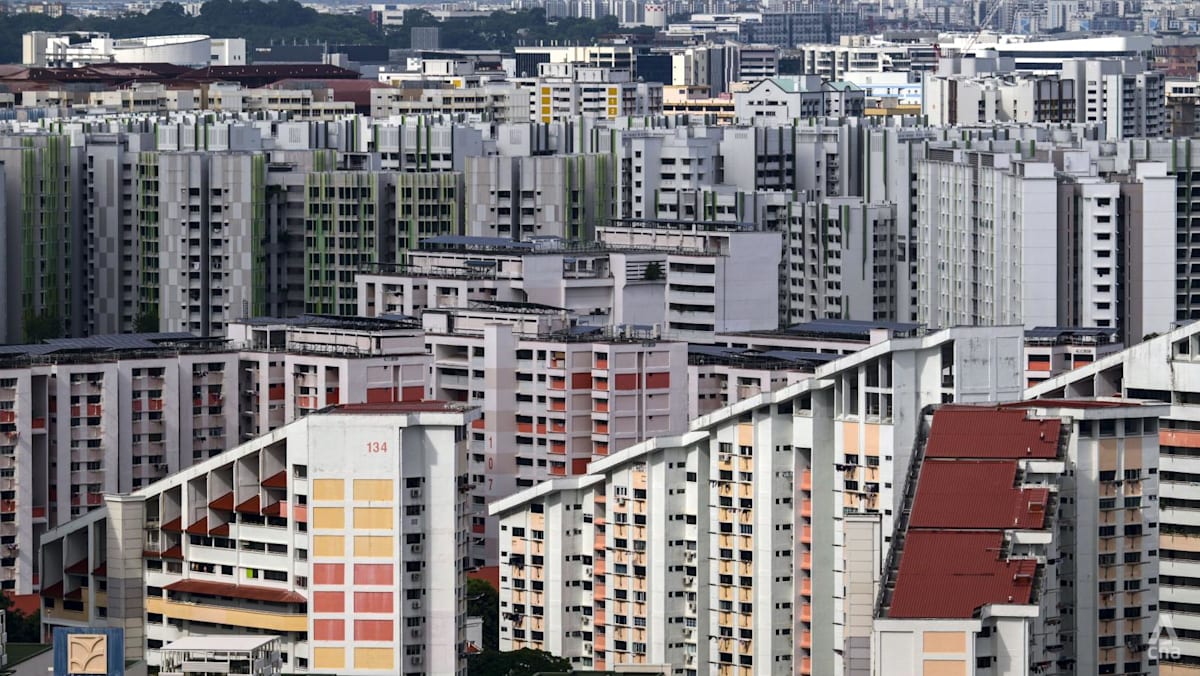
 Generics of HDB flats at night on Mar 1, 2022. (Photo: CNA/Ili Mansor)
Nevertheless, Prof Lee from NUS said the immediate risk to Singapore is less of a "sudden blackout" but more of a sharp rise in energy prices, together with tighter LNG procurement conditions, and greater volatility in cargo replacement.
In addition to households facing higher utility bills with a lag, higher fuel costs and broader cost-of-living pressures, an energy shock in Singapore will very quickly become a matter of dealing with inflation and competitiveness, said Prof Lee.
The transport and logistics sector is likely to be impacted by higher oil prices. A prolonged disruption to the Strait of Hormuz would also mean broader imported inflation, as trade disruptions affect goods such as fertiliser and helium – key inputs for food systems, hospitals and semiconductors.
"For businesses, especially those that are energy-intensive or trade-exposed, the bigger issue is uncertainty: Input costs, freight costs, contract pricing and margins all become harder to manage," Prof Lee added.
A more severe scenario would involve sustained damage to major Gulf energy infrastructure or a longer blockage of the Strait of Hormuz, said Prof Lee, which would turn price stress into a more serious physical supply problem for global LNG and oil markets.
In the months ahead, one can expect Singapore to continue to place equal emphasis on securing supply and demand-side flexibility, efficiency and conservation.
"Resilience is not just about finding more fuel; it is also about reducing dependence on it when it matters most," he said.
RESILIENCE FOR THE FUTURE
In the long term, experts said it is likely that gas and LNG will continue to play a big part in Singapore's power grid. They also expect authorities to continue strengthening Singapore's gas resilience, while building a broader portfolio of credible options before the next shock arrives.
If anything, the latest crisis may serve as a catalyst, accelerating long-standing plans for energy independence while pushing Southeast Asian countries to move more urgently on regional collaboration, they said.
The EMA spokesperson told CNA TODAY that recent disruptions to global fuel supply chains underscore the importance of continuing to diversify Singapore's energy sources and exploring alternatives to strengthen energy security.
This includes solar, electricity imports and low-carbon alternatives such as geothermal energy, and is why Singapore is building up capabilities on nuclear energy, to assess its feasibility in Singapore, said EMA.
Mr Suwanto from the ASEAN Centre for Energy said he expects more regional and international discussions on energy security and energy resilience, too.
"And I think it's also time (to discuss) how ASEAN can work together, and how regional collaboration can enhance energy security," he said.
This includes the implementation of regional initiatives such as the ASEAN power grid, designed to promote energy cooperation and enhance energy security in the Association of Southeast Asian Nation.
The current Lao PDR-Thailand-Malaysia-Singapore Power Integration Project, which launched its first phase in June 2022, saw up to 100 megawatts (MW) of renewable hydropower being imported from Laos to Singapore through Thailand and Malaysia via existing interconnectors.
In 2024, the second phase of the project doubled electricity trading to a maximum of 200 MW, facilitated by the introduction of multidirectional power trade, with additional supply to come from Malaysia.
Dr Broadstock from The Lantau Group also agreed that regional power grid expansion warrants special attention now, and said the current crisis is an important reminder of the need to accelerate the power sector transition towards a more diverse fuel mix.
That said, certain options, such as nuclear energy, would likely warrant a considerable amount of additional research, given the public health and safety concerns, said Dr Broadstock.
Ultimately, experts said that ensuring energy security in the long term is not just about diversifying fuels, but also diversifying the risks, and reducing dependence on any single technology, route, supplier or energy source.
Resilience for Singapore will increasingly depend on a combination of technical diversification, market design, regional cooperation and disciplined demand management, said Prof Lee from NUS' Energy Studies Institute.
He pointed to biomethane as one "especially pragmatic near-term pathway", given how Singapore's government is already exploring a regulatory sandbox of up to 300 MW, and its compatibility with existing infrastructure reduces the need for costly asset upgrades.
By contrast, hydrogen, ammonia and nuclear energy may be options further on the horizon, he said.
But even as Singapore does what it can – and should – to strengthen its energy strategy, the reality is that the issue of energy resilience cannot be separated from geopolitics, he added.
He pointed to a statement Prime Minister Lawrence Wong gave to the media on Mar 23, where he said that beyond price shocks, the weakening of international rules and norms is of significant concern to small states like Singapore.
"The deeper lesson is that Singapore's energy security is no longer just about keeping the lights on. It is about preserving affordability, reliability and strategic room to manoeuvre in a more fragmented world," Prof Lee said.