 2 months ago
99
2 months ago
99
SINGAPORE: Physical pain and psychological scars serve as constant reminders of what they endured two years ago, but two passengers on SQ321 told CNA they are doing their best to move on.
Both have resumed occasional air travel, including for leisure, but said the incident has cast a shadow over every flight since.
“It takes extra mental strength,” said Ms Mia Kang, 28. “Even during the flight, I’m constantly worried.”
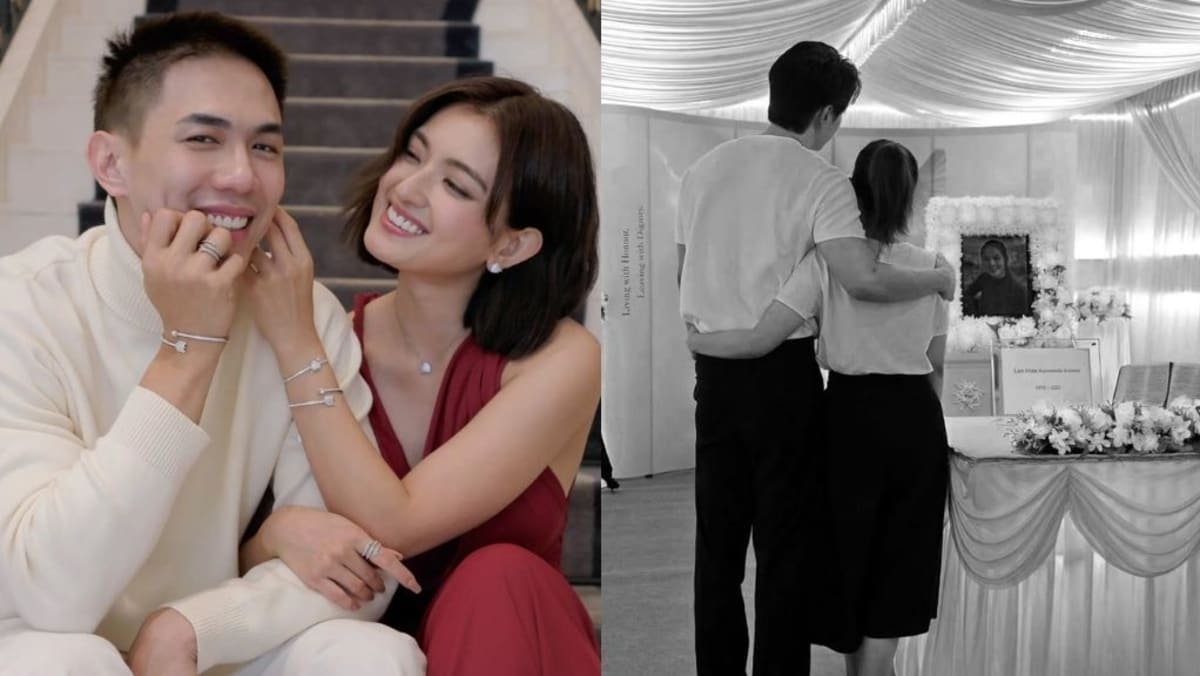
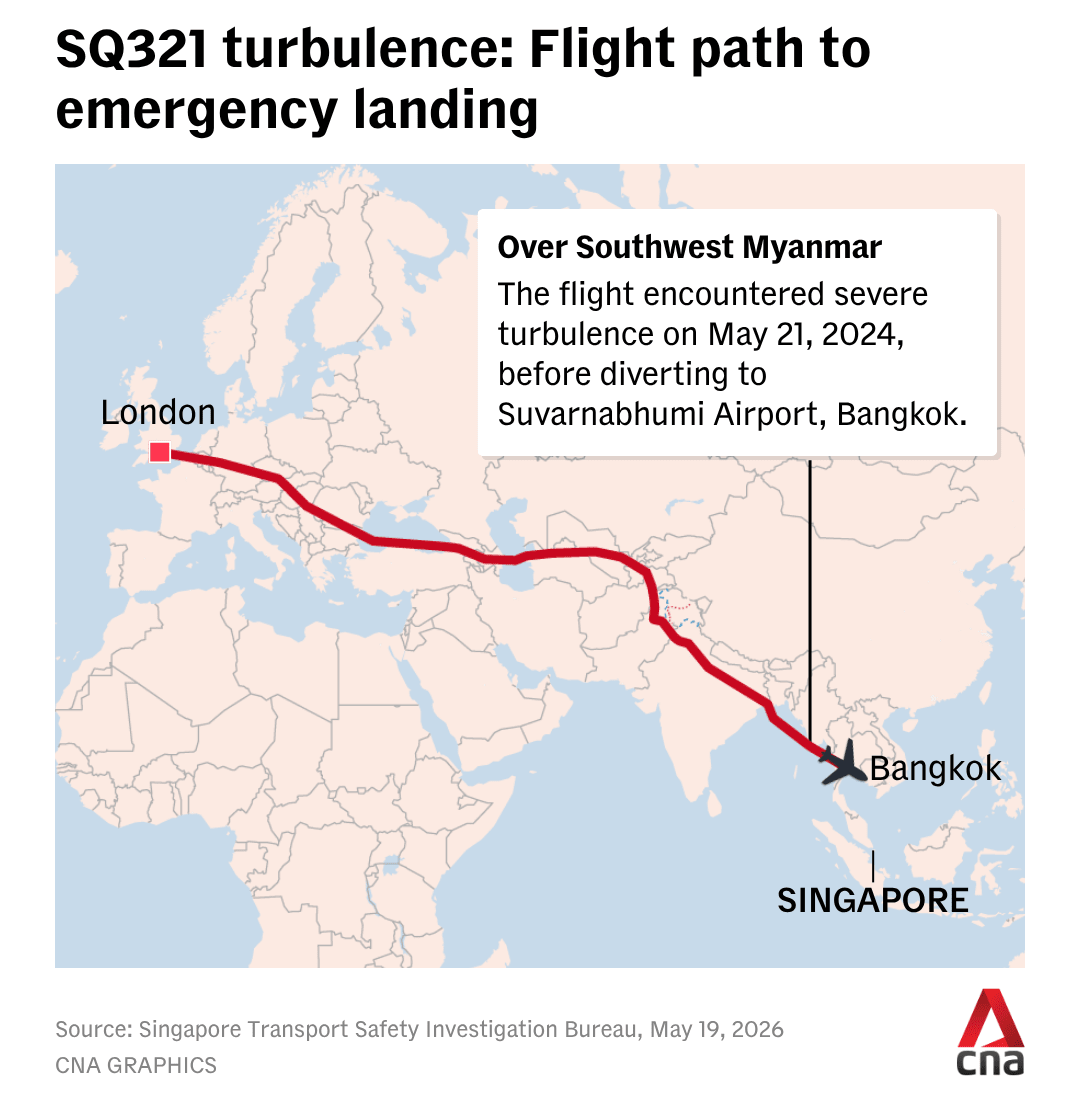
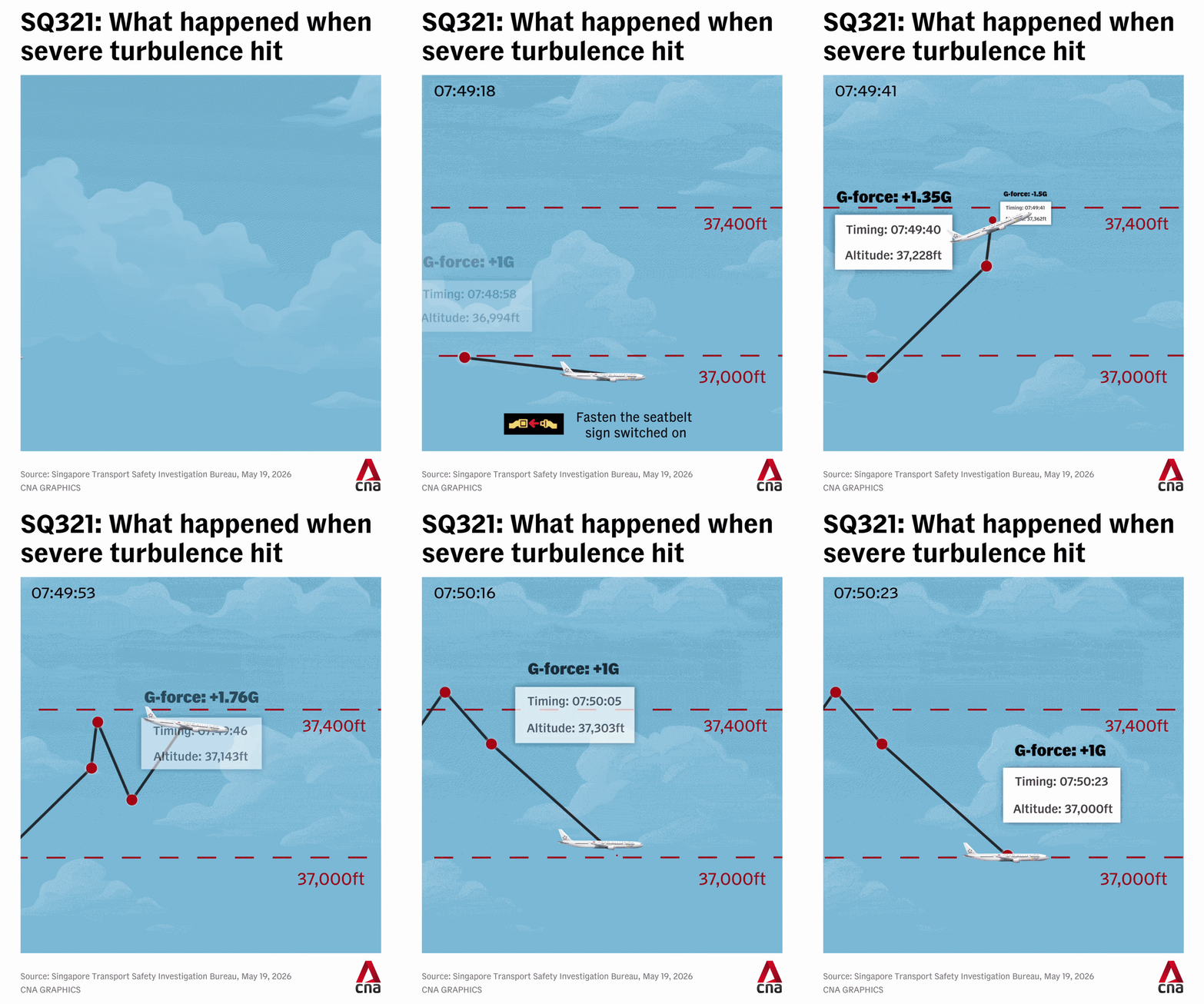
On May 21, 2024, Ms Kang was in the toilet when the turbulence struck. She was thrown to the ceiling, then crashed to the floor, fracturing her spine. Her husband, who had proposed to her days before the flight, suffered severe whiplash.
“My bones and my spine eventually healed. But the mental aspect of it, it was a lot, a lot more difficult than I thought,” she said.
Ms Kang initially limited her air travel to overseas events such as weddings and graduations, but has gradually expanded it. Earlier this year, she was ridiculed on social media after posting a video of herself screaming in fear on a flight.
She said the negative comments did not affect her, as it is difficult for people to understand what she has been through. A second video explaining that she had been on SQ321 drew responses from two fellow passengers who said they understood her trauma.
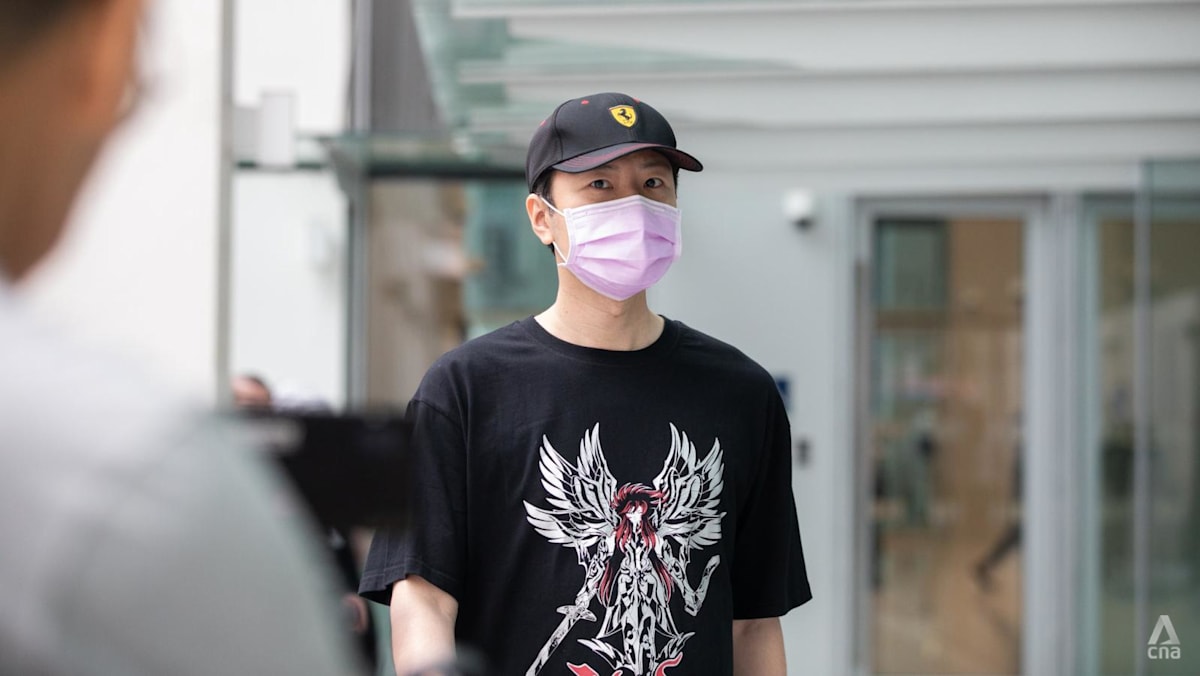
Another passenger, who asked to be identified only as Mr Ian, 40, said flights used to be a source of excitement, associated with holidays and travel. Now they are an ordeal, particularly during ascent and descent.
“I get goosebumps and my hair stands on end, my palms start to sweat,” he told CNA.
“I just close my eyes, I say 'amitofo' or whatever,” he said, referring to a Buddhist chant. He added that in those moments, he focuses on reaching his destination safely for the sake of his young children.
REACHED SETTLEMENT WITH AIRLINE
Ms Kang said she has accepted compensation from Singapore Airlines (SIA) and will not be pursuing further legal action.
“Talking about this matter was not helping me mentally,” she said. “We just wanted that matter closed.”
She declined to disclose the amount, but said she and her husband were each offered US$25,000 in advance payments in 2024, as they were assessed to have sustained serious injuries.
At the time, SIA offered all passengers a full refund and S$1,000 (US$780) upon departure from Bangkok, with US$10,000 offered to those assessed as having minor injuries.
The final investigation report released this week said 56 passengers were seriously injured and 23 sustained minor injuries. The Sydney Morning Herald reported on Thursday that an Australian teacher who broke her neck in the incident remains paralysed from the chest down.
Mr Ian, who suffered neck and back injuries, also signed a confidential compensation agreement with the airline.
He said he remains worried about inflation and the pain he continues to live with, and acknowledged that future medical costs could arise. He has stopped going for physiotherapy and other treatments after finding little relief.
Mr Ian said that had he refused SIA's compensation offer, he would have had to engage a lawyer.
“I just don’t want to continue to drag this on,” he said.
CNA also spoke to two lawyers representing SQ321 passengers. Mr Peter Carter, director of Brisbane-based Carter Capner Law, represents 10 passengers; Mr James Healy-Pratt, a partner at UK-based Keystone Law, represents five.
Both said the final report would form part of their ongoing legal cases against the airline.
SENSE OF CLOSURE?
For Ms Kang, the final investigation report brought some closure. She had long believed the incident was caused by clear-air turbulence – invisible pockets of air that can occur at high altitude without warning – leaving her feeling helpless, since she feared it could happen again with no means of detection or avoidance.
The report’s conclusion that the turbulence was convectively induced, and that the weather radar likely did not detect the conditions ahead, has given her some reassurance that tighter systems could prevent a recurrence.
“Hopefully we can finally put this behind and really move on,” she said.
Mr Ian, however, felt no party had accepted responsibility. The report found bad weather caused the turbulence, but concluded the pilots were probably not at fault because the radar did not detect anything; the radar manufacturer, meanwhile, said there was no evidence the system had failed.
“No one wants to bear the consequences, no one wants to take up this responsibility, because it's a bad name for the radar company and … SIA,” he said.
He was nonetheless resigned to the outcome.
“The thing has already happened. I cannot travel back in time and say I don’t want to board this flight. It’s impossible,” he said.