 3 months ago
114
3 months ago
114
SEOUL, April 2 : South Korea's inflation picked up less than expected in March as the government capped fuel prices, but policymakers and economists warned that risks remain tilted to the upside with oil prices surging past $100 a barrel driven by the Iran war.
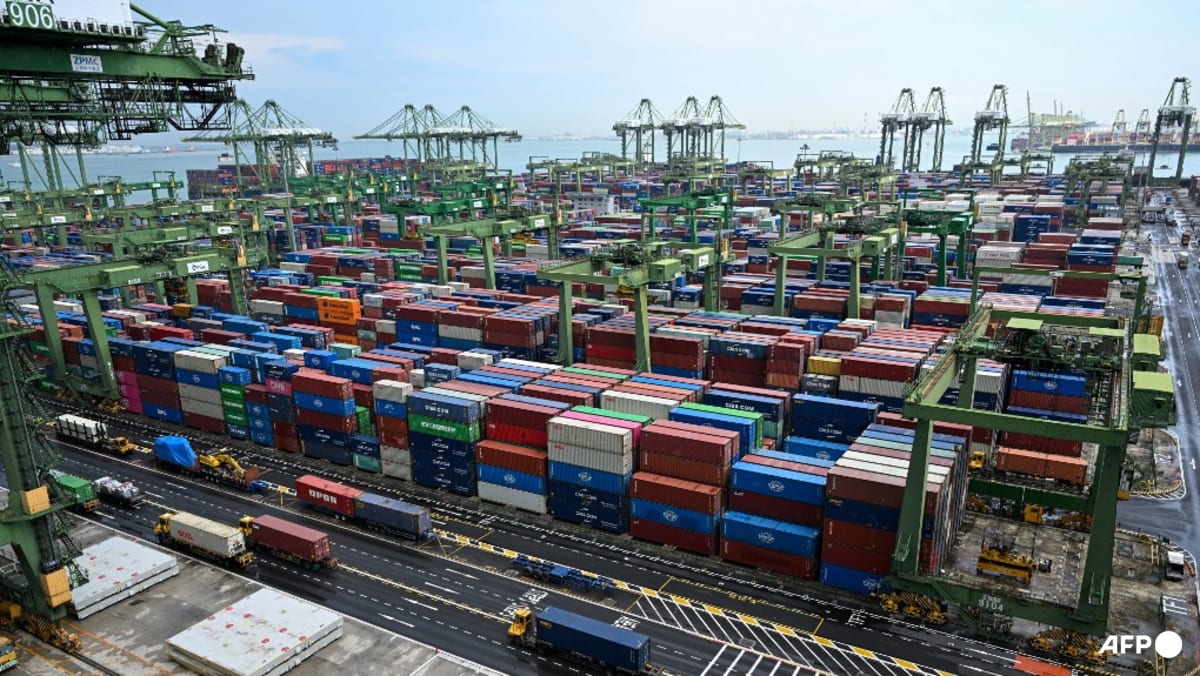
Asia's fourth-largest economy, which is also the world's fourth-largest importer of oil, introduced last month nationwide fuel prices caps for the first time in nearly 30 years.
The consumer price index rose 2.2 per cent in March from a year earlier, higher than the 2.0 per cent rise in February but lower than a median 2.4 per cent increase forecast in a Reuters poll of economists.
On a monthly basis, the index rose 0.3 per cent, according to the Ministry of Data and Statistics on Thursday, matching the same 0.3 per cent pace in the previous month, and weaker than a forecast of 0.6 per cent.
"The government's fuel price caps are estimated to have limited the price rise in petroleum products to a significant degree," the Bank of Korea said after the data release, adding that inflation would still be higher in April due to higher oil prices.
Prices of petroleum products jumped 10.4 per cent over the month, but agricultural products fell 3.0 per cent due to an increase in supply.
Annual core inflation, excluding volatile food and energy prices, was at 2.2 per cent in March, lower than 2.3 per cent in February, when it marked the fastest pace since April 2024 on travel demand boosted by the Lunar New Year holidays.
"There might not be an immediate rate hike after March data, but we can't be relieved by it and will still have to put on guards in the medium term," said Stephen Lee, an economist at Meritz Securities in Seoul.
"Fuel prices, even if kept at the levels seen in March, will raise annual inflation over 2.5 per cent, so upward revisions to inflation forecasts are inevitable," Lee said, also noting rising airfare while higher fertiliser costs were squeezing agricultural prices.
The data comes a week before the Bank of Korea meets for the next policy meeting on April 10. In February, just days before the Iran war broke out, the central bank held interest rates steady and signalled no change until August.
The central bank, which targets 2 per cent inflation over the medium term, projected inflation at 2.1 per cent this year in February, based on assumptions of $64-a-barrel oil prices - assumptions since upended by the war.