 1 month ago
66
1 month ago
66
NEW DELHI: French President Emmanuel Macron will arrive in India on Tuesday (Feb 17) for a three-day visit aimed at deepening strategic ties, with artificial intelligence, defence cooperation and the Indo-Pacific set to dominate discussions.
The visit comes as New Delhi and Paris seek to advance their so-called “Horizon 2047” roadmap, a long-term framework adopted in 2023 to expand collaboration in areas ranging from fighter jet production and nuclear energy to critical minerals and high-tech manufacturing.
Observers say Macron’s trip is more than a routine high-level engagement for India. It presents an opportunity to cement France as a long-term technology and security partner at a time of growing global uncertainty.
Macron and Indian Prime Minister Narendra Modi are expected to review progress in their strategic partnership and inject fresh momentum into major defence, energy and digital initiatives under the Horizon 2047 plan.
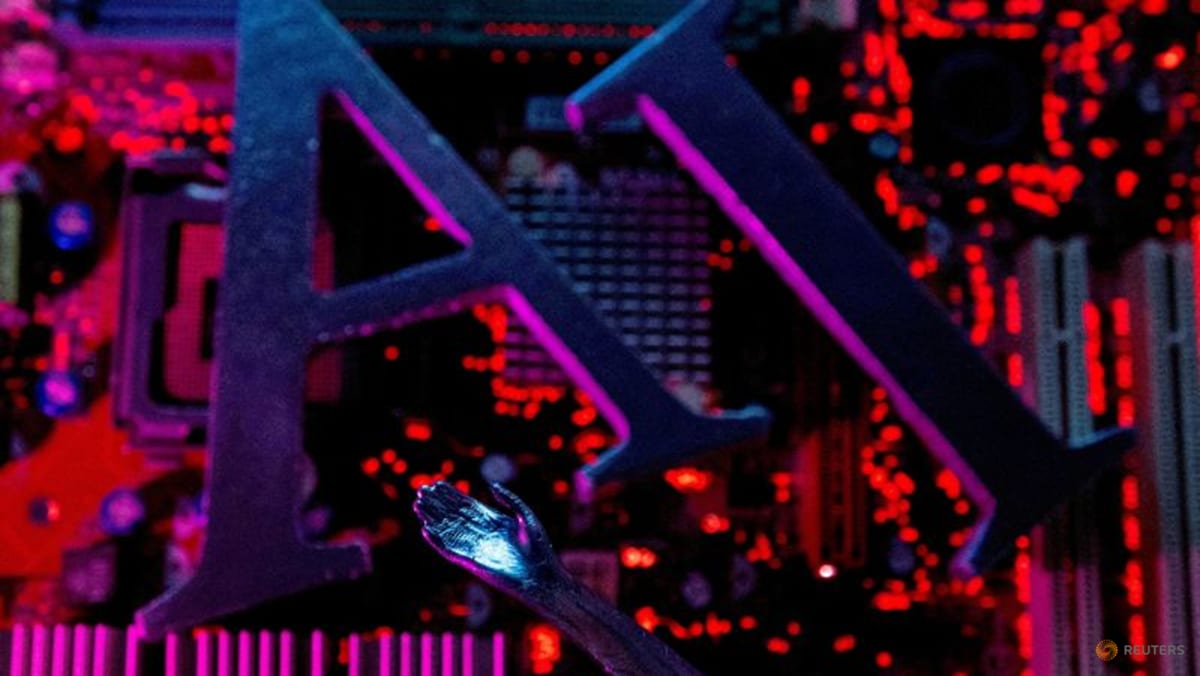
At the heart of the visit is the AI Impact Summit in New Delhi, where both sides are likely to push for closer cooperation in emerging technologies.
Discussions are expected to focus on joint research, developing common standards for trustworthy AI, and strengthening ties between French and Indian technology companies.
Macron will join some of the world’s leading tech chief executives, heads of state and policymakers at the summit, as India seeks to position itself as a global technology hub.
CRITICAL MINERALS & DEFENCE COOPERATION
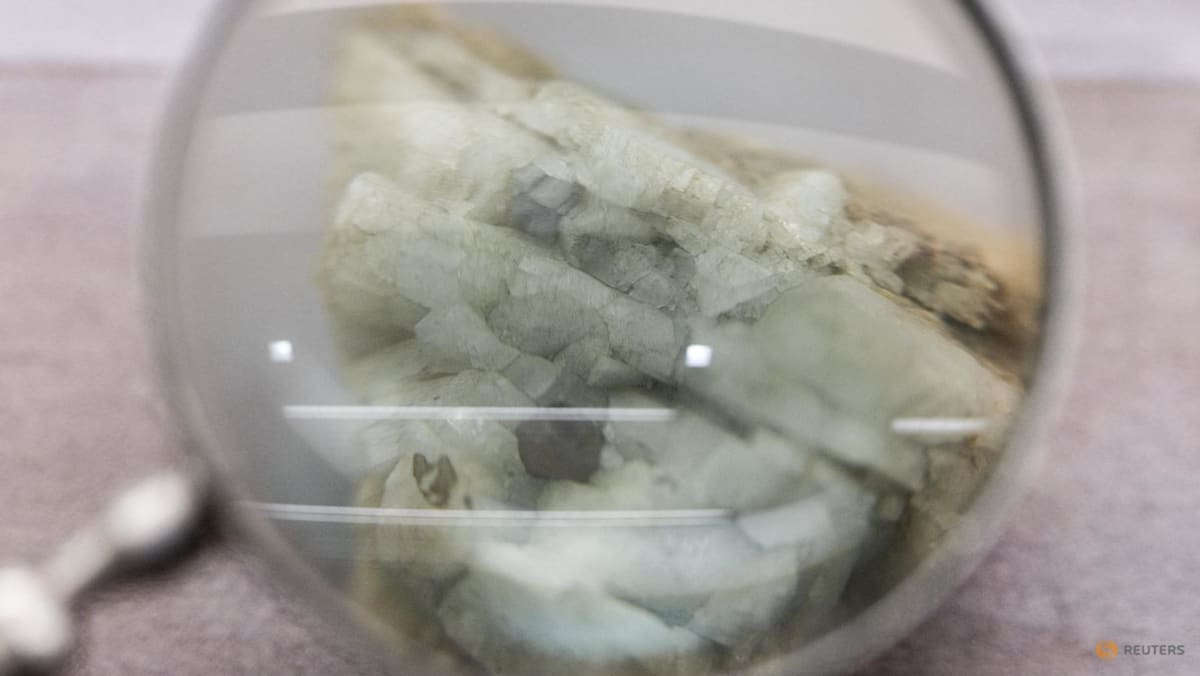
An agreement to enhance cooperation in critical minerals could also be on the cards as both countries look to diversify supply chains and reduce reliance on China, the world's dominant power in rare earths.
“Because of the nature of trust that we have and the kind of relationship that India and France enjoy, it is but natural that we will seek to cooperate in the area of critical minerals,” said Jawed Ashraf, former Indian ambassador to France.
“(We are also expected to seek cooperation) in advanced areas of green energy transition, semiconductors and AI, the building blocks of our new age.”
Defence is set to be another key pillar of the talks. France is already one of India’s leading arms suppliers, providing military equipment such as Rafale fighter jets and Scorpene submarines.
Last Thursday, India approved the purchase of additional Rafale jets as part of New Delhi’s 3.6 trillion rupee (US$39.7 billion) defence package spanning multiple acquisitions across the armed forces.
The defence ministry did not disclose the number of aircraft to be ordered, though local reports indicate that 114 Rafale fighter jets will be acquired for the Indian Air Force (IAF).
Of these, 18 are expected to be procured off the shelf from French manufacturer Dassault Aviation, while the remaining 96 will be produced domestically under the government’s “Make in India” initiative.
TRANSFER OF TECHNOLOGY
Ashraf noted that France’s willingness to transfer technology has set it apart from other defence partners.
“France is willing to transfer technology and create a defence industrial base in India, which is perhaps unmatched by anyone else,” he said.
“In some of the most advanced areas, like aircraft engines, they are willing to provide 100 per cent transfer of technology … and help us learn the ropes of design and development.”
Analysts say such transfer-of-technology agreements are a sign of the deep trust underpinning Delhi-Paris ties.
They added that India views France – which maintains territories and military assets in the Indian Ocean – as a rare European power willing to support its vision of a multipolar Asia.
For its part, Paris increasingly sees New Delhi as a crucial partner in efforts to diversify strategic and economic dependencies away from China.
As India rolls out the red carpet for Macron in its capital this week, attention will turn to whether the broad ambitions of Horizon 2047 can translate into tangible outcomes – contracts, jobs and joint projects.