 3 months ago
162
3 months ago
162


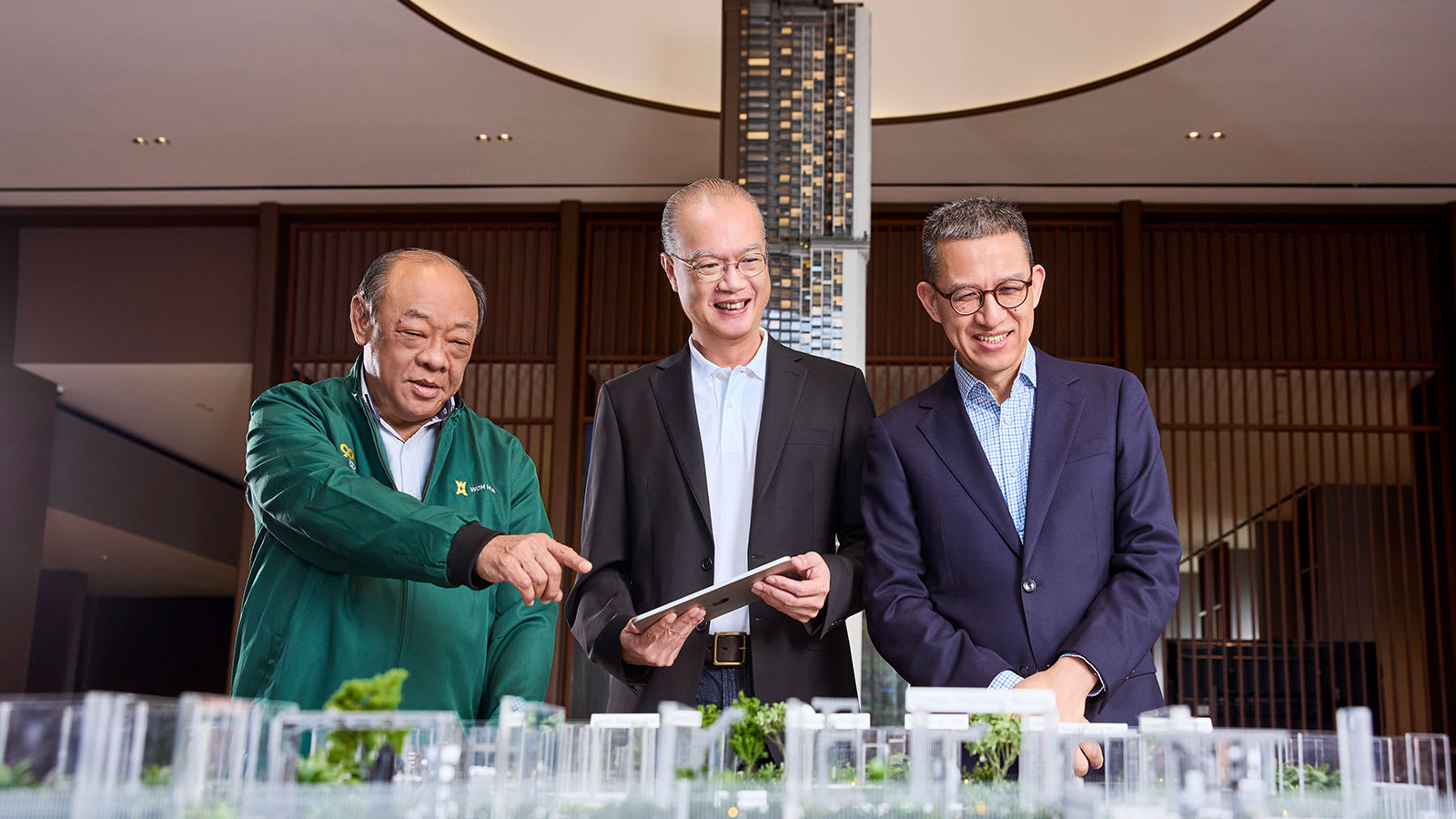
Inside the digital regulatory ecosystem powering Singapore’s new builds
Corenet X streamlines approvals across key agencies, enabling earlier coordination, clearer feedback and faster project delivery.
MELODY TAN
MEDIACORP STUDIO 3
Before ground can be broken on a building project in Singapore, a detailed process of design, planning and approvals must first take place. Until the launch of digital regulatory ecosystem Corenet X, project teams had to submit separate applications to individual agencies overseeing building plans, structural engineering, fire safety, environmental controls, greenery, and sanitary and sewerage provisions.
The built environment industry had to deal with multiple agencies at different stages of the construction timeline, with limited visibility over the overall regulatory process. Each application also came with its own submission format, documentation requirements and review timelines. On the agencies’ side, manual processes, data discrepancies and limited cross-agency collaboration affected productivity.
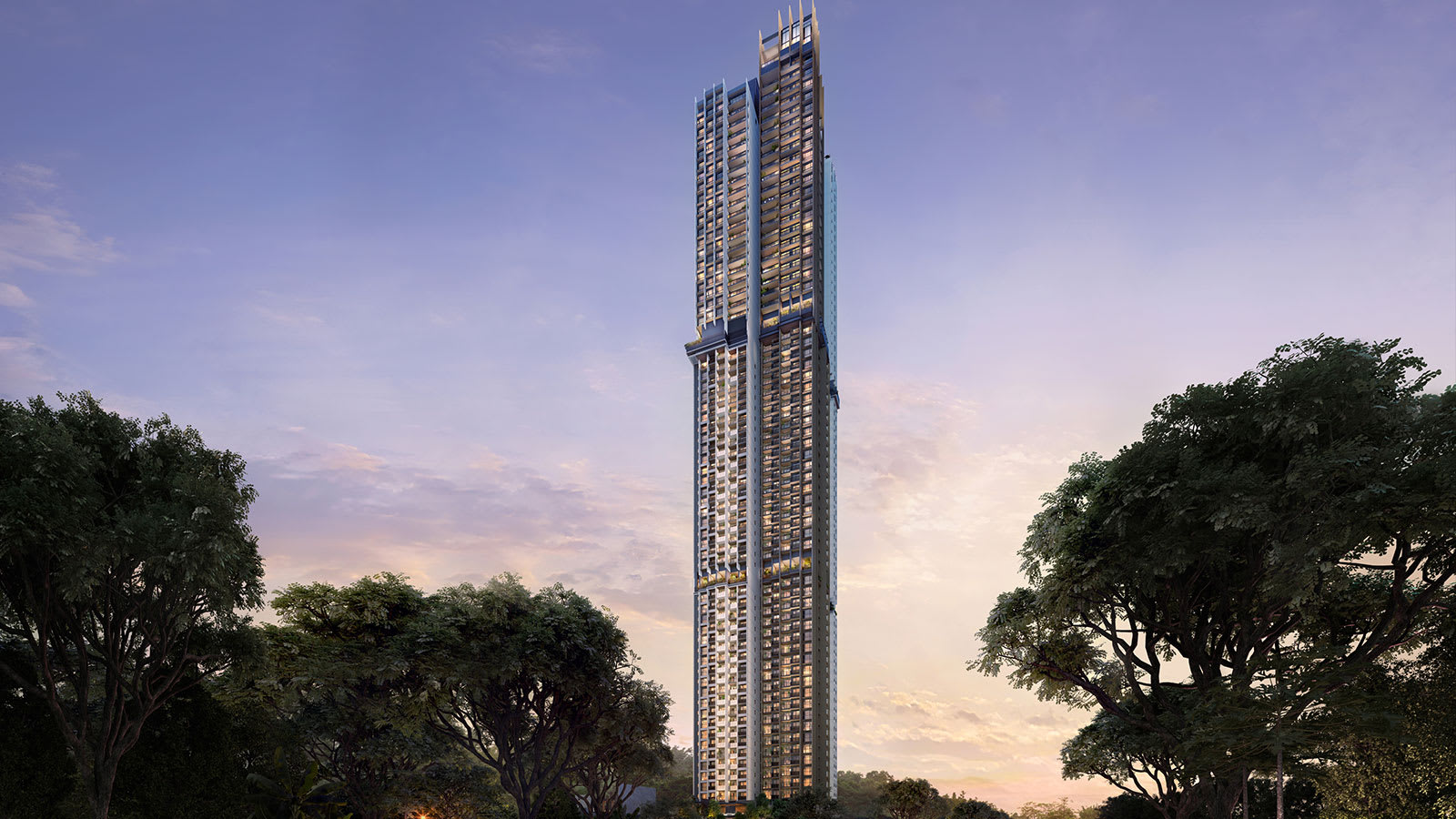 Promenade Peak, a 63-storey condominium, is among the first developments to go through Corenet X’s integrated digital regulatory approval process.
Corenet X brings seven regulatory agencies onto a single ecosystem, transforming what was once a fragmented process into a streamlined and transparent digital approval system for projects of all sizes – including Promenade Peak, a 63-storey condominium in River Valley developed by Allgreen Properties.
Mr Hong Hua Liang, the developer’s general manager for projects, said traditional regulatory processes typically involve separate submissions to different agencies, each with its own format, requirements and review timelines. This labour-intensive process would have been especially acute for technically complex projects like Promenade Peak, which is the world’s tallest residential building using prefabricated prefinished volumetric construction (PPVC).

“BY ENABLING A SINGLE CHANNEL FOR SUBMISSIONS, CORENET X REDUCES FRAGMENTATION, ALLOWS CLEARER VISIBILITY OF REGULATORY REQUIREMENTS AND ENABLES MORE SEAMLESS COORDINATION AMONG CONSULTANTS , BUILDERS AND AGENCIES.”
– MR HONG HUA LIANG, SENIOR GENERAL MANAGER, PROJECTS, ALLGREEN PROPERTIES
WHAT IS CORENET X?
- Co-led by the Building and Construction Authority of Singapore (BCA) and the Urban Redevelopment Authority (URA) with support from the Government Technology Agency of Singapore (GovTech), Corenet X transforms regulatory processes for building works.
- Launched in 2024 for voluntary submissions, it is now mandatory for new projects with a gross floor area exceeding 30,000 m2.
- More than 100 projects, involving more than 180 firms, have submitted proposals through the platform.
- The submitted model is reviewed concurrently by seven agencies: BCA, URA, National Parks Board (NParks), Land Transport Authority (LTA), Singapore Civil Defence Force (SCDF), Public Utilities Board (PUB) and National Environment Agency (NEA).
- Agencies issue coordinated, consolidated responses, giving project teams greater certainty before construction begins.
- The integrated process reduces the need for bilateral negotiations to reconcile differing requirements.
- The overall regulatory approval process is expected to take up to 20 per cent less time over the project timeline.
ONE JOINT SUBMISSION, MULTIPLE APPROVALS
Promenade Peak’s proximity to Great World MRT station and its super-high-rise form are key selling points but they also introduced planning and construction complexity. The project required close coordination between DCA Architects, builder Woh Hup and engineering consultants TW-Asia Consultants and Belmacs, alongside specialist consultants and sub-contractors.
“At Promenade Peak, Corenet X was a game-changer for our external works such as tree conservation, drainage and road re-alignment,” shared Mr Ng Yew Hung, senior project director at Woh Hup. “With agencies like NParks, PUB and LTA reviewing the same design plan almost simultaneously, we could address their comments in parallel rather than sequentially.”
Mr Hong added: “The ability to visualise federated models and receive clearer, consolidated feedback helped to shorten approval cycles.”
Before Corenet X, submissions were often made to different agencies in a disparate manner and at different stages of a project. “This approach could result in delayed approvals, design inconsistencies, and in some cases, abortive works, when changes were required after construction had begun,” noted Mr Ng.

“CORENET X’S BIGGEST IMPACT HAS BEEN THE REDUCTION OF EXECUTION RISK THROUGH EARLIER DESIGN COORDINATION AND CLEARER REGULATORY ALIGNMENT.”
– MR NG YEW HUNG, SENIOR PROJECT DIRECTOR, WOH HUP
FROM DISCRETE MODELS TO A SHARED VIEW
Under the new regulatory processes for larger projects, building information modelling (BIM) submissions must follow the Industry Foundation Classes (IFC) and IFC+SG standard, a local extension of the international openBIM format.
The federated model integrates architectural, structural, mechanical and electrical engineering models in a standardised and interoperable format. “This enables earlier identification of clashes and buildability issues, reducing site rework and construction risk,” said Mr Ng.
According to Mr Khoo Poh Bin, a registered architect and managing director at DCA Architects, the vendor-neutral submission format made it easier to share information across disciplines. “The new federated model submission format allows stakeholders – including clients, consultants and agencies – to stay on the same page and facilitates more productive discussions,” he said.

“BUILDING UP THIS DATABASE OF INFORMATION ALLOWS THE EVENTUAL CONSOLIDATED MODEL TO BE MORE THAN JUST A VISUAL AID USED FOR CLASH DETECTION – IT BECOMES A VALUABLE REFERENCE FOR DOWNSTREAM USE.”
– MR KHOO POH BIN, MANAGING DIRECTOR AT DCA ARCHITECTS
THE REAL-WORLD IMPACT OF STREAMLINED REGULATION
There was an initial learning curve as the Promenade Peak project team adapted to Corenet X. However, resources like BCA’s industry seminars, the Corenet X Code of Practice, the IFC+SG Resource Toolkit and regular engagement with regulatory agencies helped ease the transition.
Mr Khoo said: “Leveraging this ecosystem of support enabled Promenade Peak to secure full construction gateway approval in under 11 months from the land tender award.”
Bringing traditionally downstream processes forward also strengthened discussions between client and consultants. Mr Khoo added: “Having the builder involved from the beginning enabled early coordination for specialist items, which ensured less abortive work and better planning. The team could also evaluate and adopt value engineering proposals from the builder early during the submission process.”
From a business standpoint, Woh Hup has already seen gains in time savings. “Less time is spent on coordination efforts and duplicating information across agencies,” said Mr Ng. “While it is still early to quantify exact cost savings, we expect these efficiencies to translate into faster approval cycles and shorter design coordination processes.”
TRANSFORMING SINGAPORE’S BUILT ENVIRONMENT
Early, integrated feedback enabled by Corenet X was key to optimising architectural outcomes for Promenade Peak, said Mr Khoo.
“The faster turnaround for building plan approvals allowed the design to be firmed up sooner and the builder to coordinate with more certainty,” he shared. “Having a consolidated model also expedited internal coordination. We were able to explore how the innovative facade design interfaced with the PPVC modules at an earlier stage.”
 Social and communal spaces within Promenade Peak reflect the character and vibrancy of the surrounding neighbourhood.
In addition, Mr Hong said that closer integration of architectural, engineering and environmental-related design elements helped ensure sustainability strategies were applied consistently and validated early, contributing to the project’s Green Mark Platinum (Super Low Energy) certification from BCA.
Beyond Promenade Peak, Corenet X has wider implications for Singapore’s built environment, added Mr Hong.
“By enabling integrated planning, greater transparency, continuous engagement with regulatory agencies and data-driven decision-making, Corenet X supports the nation’s long-term goals for high-quality, sustainable and resilient urban development,” he said.
CORENET X: THE NEXT GENERATION OF INDUSTRY INTEGRATION
Explore a smarter, simpler way to manage building approvals.
FIND OUT MORE