 3 months ago
145
3 months ago
145
KUALA LUMPUR: The first of seven Malaysia-owned commercial vessels stranded in the Strait of Hormuz due to the Middle East conflict has transited the strait and is en route to its final destination.
Malaysia’s foreign ministry confirmed this in a statement on Tuesday (Apr 7) and said the development followed high-level diplomatic engagement between both countries’ leaders and foreign ministers in March.
It did not state the vessel’s final destination but news agency Reuters, citing data from LSEG and Kpler, reported on Apr 5 that the vessel is an oil tanker carrying Iraqi crude and chartered by a unit of Malaysia's national energy company Petronas.
It is due to discharge its cargo in Pengarang in Johor in mid-April.
The ministry’s statement came a day after the Iranian embassy in Malaysia's announcement. “We had said that the Islamic Republic of Iran does not forget its friends," the embassy posted on social media platform X.
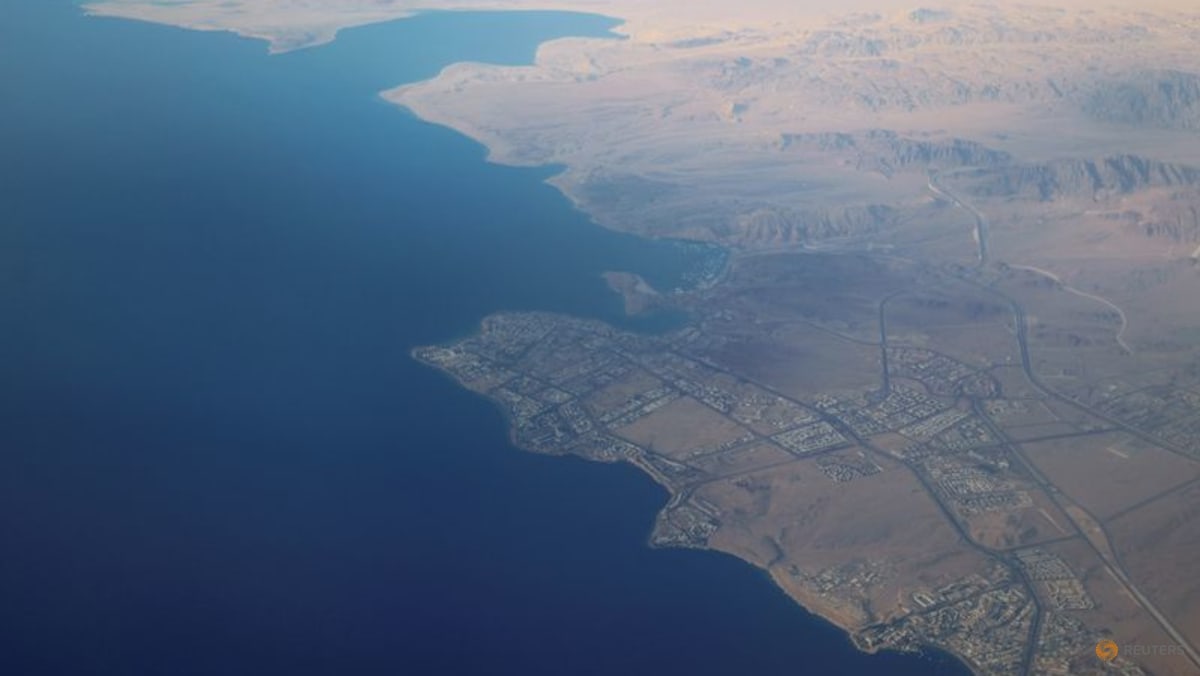
The Strait of Hormuz, which connects the Persian Gulf with the Gulf of Oman, has been effectively blocked by Iran in the wake of strikes on the country by the United States and Israel that began on Feb 28.
It is a key shipping route through which about 25 per cent of the world’s seaborne oil trade – 80 per cent of which is bound for Asia – passes, according to the International Energy Agency. Around 19 per cent of the global liquefied natural gas trade also transits through the strait.
"Malaysia remains firmly committed to the principle of freedom of navigation, safety and security of maritime passage, in accordance with international law,” Malaysia’s foreign ministry added in its statement on Tuesday.
“Malaysia also reiterates the importance of continued dialogue and diplomatic engagement in addressing regional challenges and maintaining peace and stability.”
CNA has reached out to the ministry on the status of the other six ships.
Nearly 70 per cent of Malaysia’s crude oil is imported from the Gulf, with 40 per cent of its total oil supply passing through the Strait of Hormuz.
Malaysia Prime Minister Anwar Ibrahim and Iran President Masoud Pezeshkian had spoken on the phone on Mar 26. Anwar said on the same day that Tehran was allowing Malaysian vessels to pass through the strait, and thanked Pezeshkian.
Anwar has defended Malaysia’s firm stance on protesting Israeli and US attacks on Iran and expressed hopes his government’s work would be credited.
“Do you think it’s easy to persuade the Iranian president to allow our ships through the Strait of Hormuz? Look at how many countries have made statements as firm as Malaysia’s – we deserve some credit,” he said on Sunday at a Johor convention of his Parti Keadilan Rakyat.
Several tankers that have reportedly passed the strait include those from Thailand, France, Oman and Panama.
Iran previously said that ships from China, Russia, India, Pakistan, Iraq and Bangladesh could safely navigate the Strait of Hormuz, while its parliament mulls a US$2 million “transit fee” for vessels passing through.
Malaysia has said that its vessels would not have to pay any fee.
A Thai oil tanker from energy firm Bangkok Corporation Plc transited the strait on Mar 23 and is expected to deliver crude to Thailand in early April, the company said in a statement on Mar 24, reported Bloomberg.
Indonesia said on Mar 28 it is in talks with Iran to secure safe passage for its tankers through the strait, with Tehran responding favourably to Jakarta's diplomatic efforts, according to a foreign ministry spokesperson. No reports of Indonesian tankers passing through have been recorded so far.
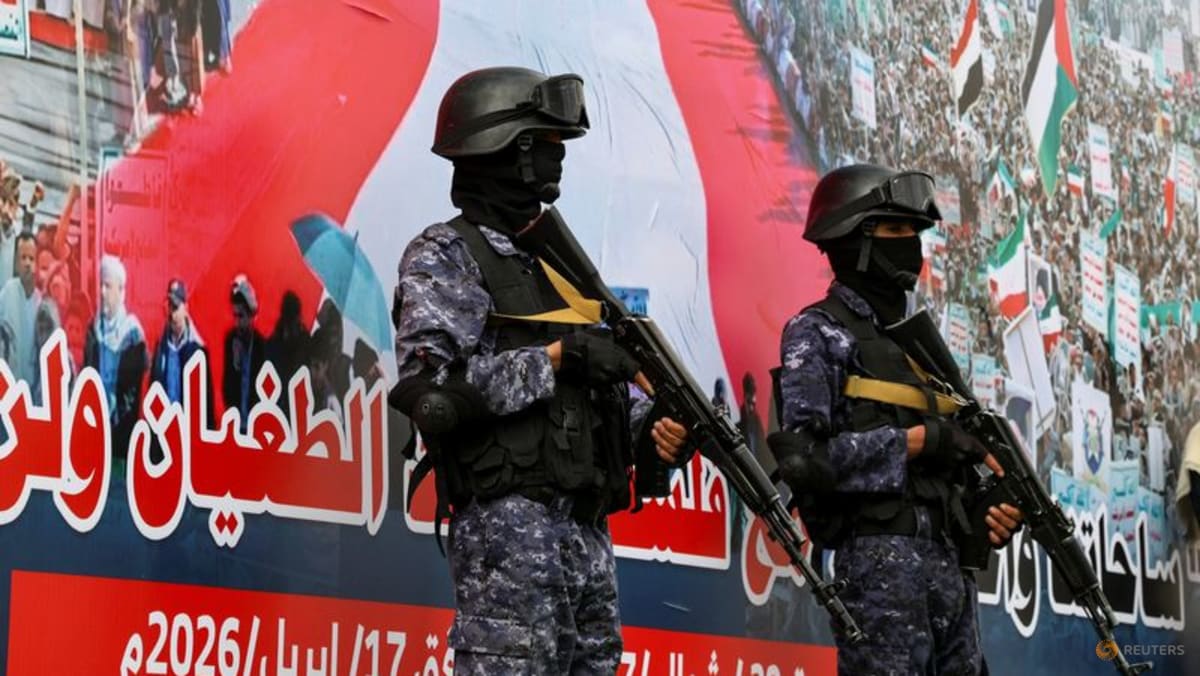
Iran’s Revolutionary Guards said on Sunday (Apr 5) they are completing preparations to enforce new operating conditions in the strait, warning that the passage will “never return to its normal status, especially for the US and Israel”.
The total number of ships that have passed through the Strait of Hormuz since Mar 2 has been roughly equal to what the critical waterway used to see in just a day, according to maritime information service Lloyd’s List.
A total of 142 vessels have transited since the start of March, but 67 per cent of that traffic has a direct affiliation with Iran either through trade or ownership, Lloyd’s List added.