 3 months ago
152
3 months ago
152
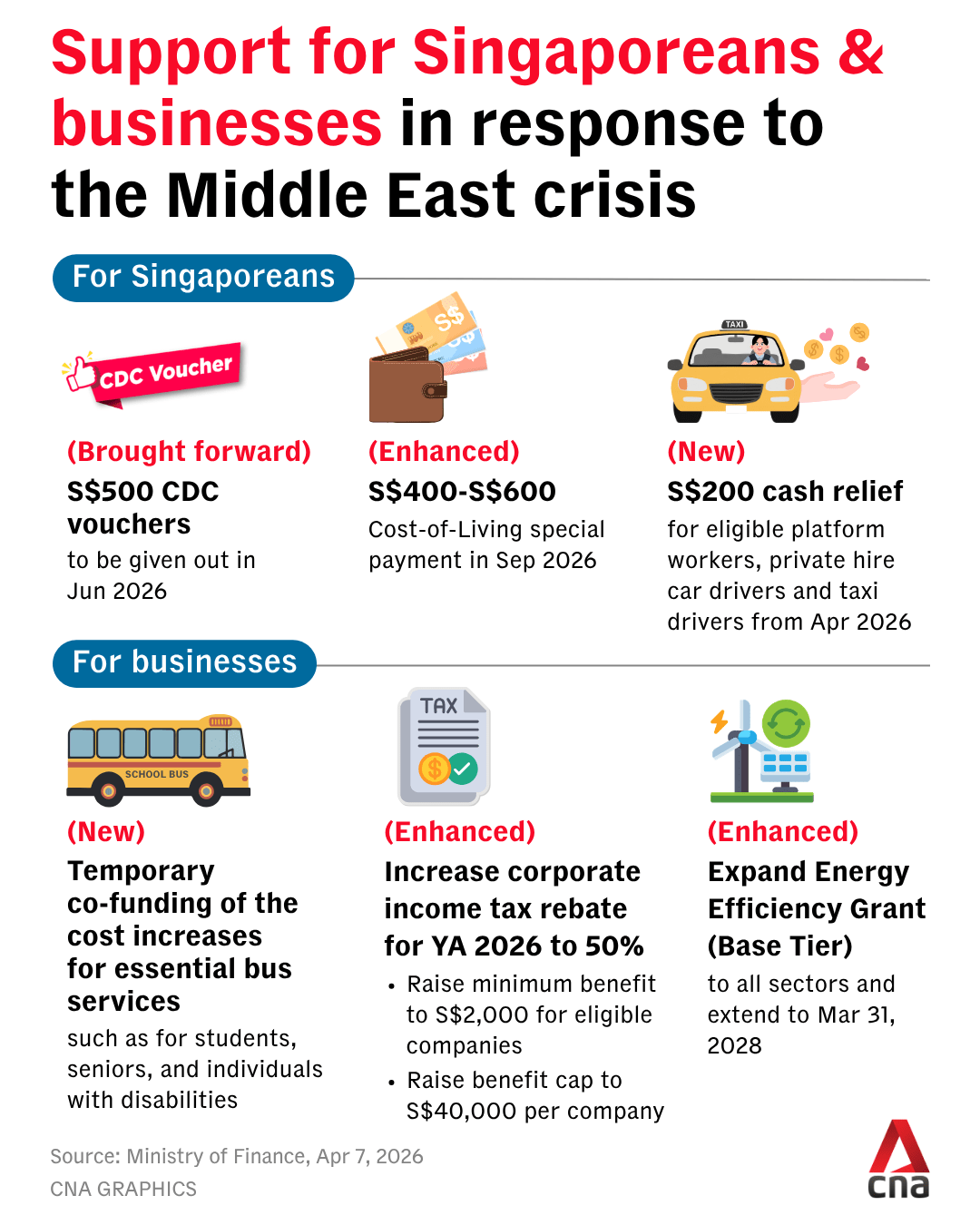
SINGAPORE: The government will temporarily co-fund cost increases for certain essential bus services – including those for school students, seniors and persons with disabilities – to cushion the impact of the Middle East conflict on Singaporeans.
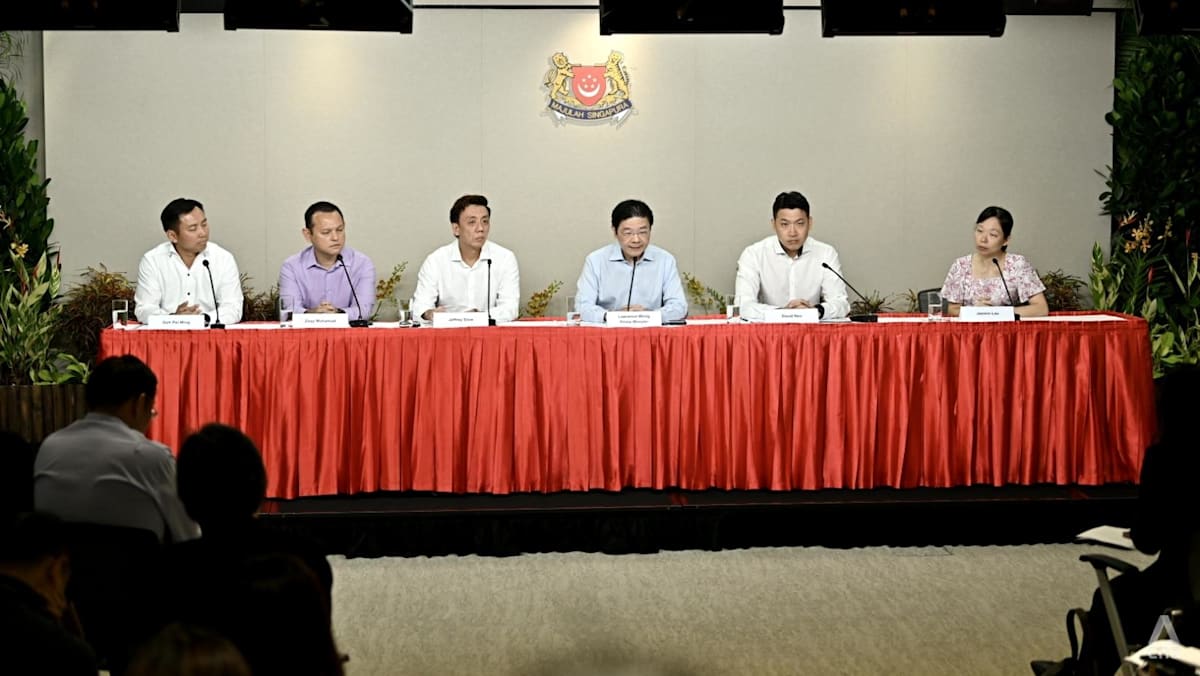
Acting Minister for Transport and Senior Minister of State for Finance Jeffrey Siow announced this in a ministerial statement in parliament on Tuesday (Apr 7), saying the support will enable these services to continue operating without disruption.
He also announced several measures to support businesses, particularly small- and medium-sized enterprises (SMEs).
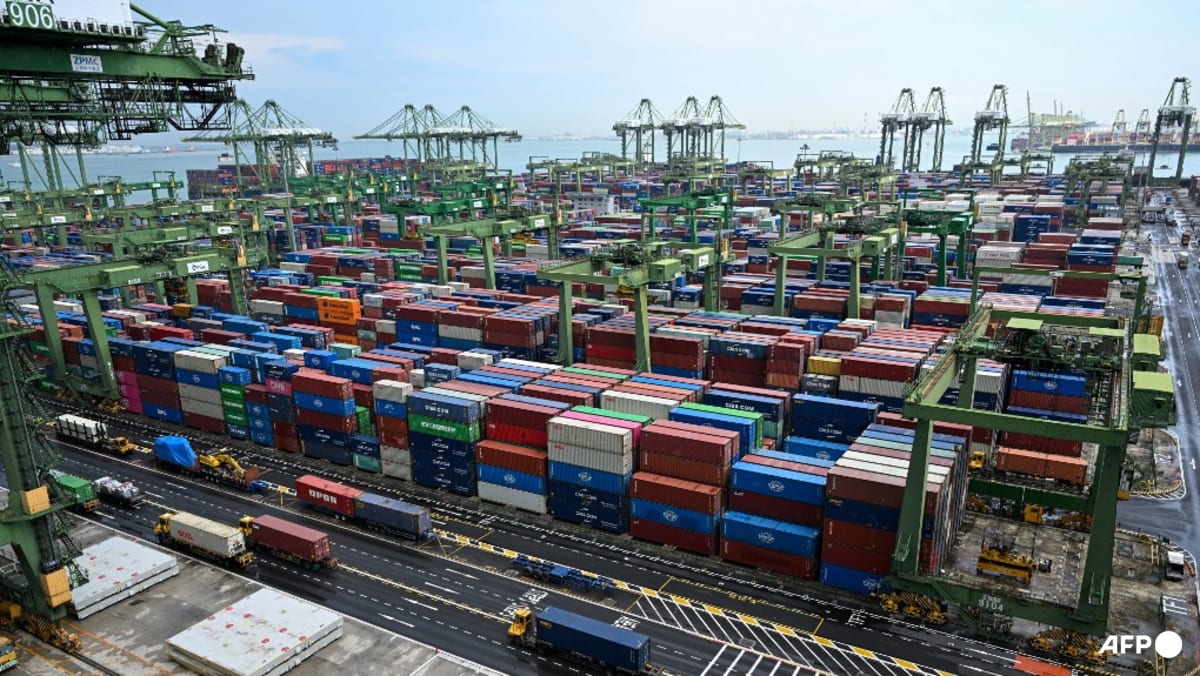
The surge in fuel prices due to the ongoing US-Israel war with Iran has pushed up operating costs for various businesses, ranging from logistics providers to last-mile delivery firms.
Mr Siow noted that 16 days after the national Budget was tabled, the United States and Israel launched coordinated airstrikes on Iran.
"This current situation in the Middle East remains highly uncertain. We cannot predict how exactly events will unfold, or when the conflict will end," he said. "What we do know is that Singaporeans are already feeling some of the effects on the ground."
The government was "not waiting to act", he said, adding that it will supplement what was announced in the Budget with more support measures.
Mr Siow also announced targeted support for platform workers, private-hire car drivers and taxi drivers, as well as cost-of-living support for households.
The measures come as Singapore faces the prospect of slower growth and higher inflation, with the Middle East conflict disrupting global supplies, Deputy Prime Minister Gan Kim Yong said in a separate ministerial statement on Tuesday.
In response, Singapore convened the Homefront Crisis Ministerial Committee, which will focus on securing supplies such as liquefied natural gas (LNG) and diesel for power, and other essential products like jet fuel and motor gasoline.
SUPPORT FOR BUSINESSES
Higher energy and logistics costs will continue to be felt by businesses across the economy for some time, with SMEs particularly vulnerable, said Mr Siow.
To help businesses manage cashflow, the corporate income tax rebate announced at Budget 2026 will be raised from 40 per cent to 50 per cent for the Year of Assessment 2026.
The minimum benefit for companies with at least one local employee will also be raised from S$1,500 to S$2,000 (US$1,170 to US$1,560), and the total benefits cap per company will increase from S$30,000 to S$40,000.
“We will disburse this enhancement quickly – as early as the end of this month,” said Mr Siow.
Support will also be extended to businesses seeking to build longer-term resilience against high energy prices.
“Businesses that invest in energy efficiency will reduce their exposure to volatile energy prices and lower their long-run operating costs,” he said.
The Energy Efficiency Grant – a subsidy for businesses to purchase energy-saving equipment – will be extended to all sectors for another year, to Mar 31, 2028. The grant currently applies to six designated sectors: food services, retail, manufacturing, construction, maritime and data centres.
Government agencies are also engaging firms in the energy and chemicals sector, which have been badly affected by feedstock supply disruptions, to assess how to best provide support.
The government is also prepared to share fuel cost increases for "critical government projects where any delays or stoppages would clearly affect the public interest", said Mr Siow. These include major infrastructure works such as the Cross Island MRT line and new Housing Board Build-to-Order projects.
In a Facebook post after Mr Siow's statement, Minister for National Development Chee Hong Tat said diesel and bitumen cost increases were having a "significant impact on some of the contractors" in the built environment sector.
The government will support affected firms on critical public sector projects by sharing 50 per cent of the additional diesel and bitumen costs incurred. These include firms involved in earthworks, piling, roadworks and reclamation.
"I urge private sector developers to similarly support their contractors by sharing the diesel and bitumen cost increases," Mr Chee said.