 2 months ago
105
2 months ago
105
For many supporters, soaring costs for flights, accommodation and match tickets have placed the tournament out of reach.
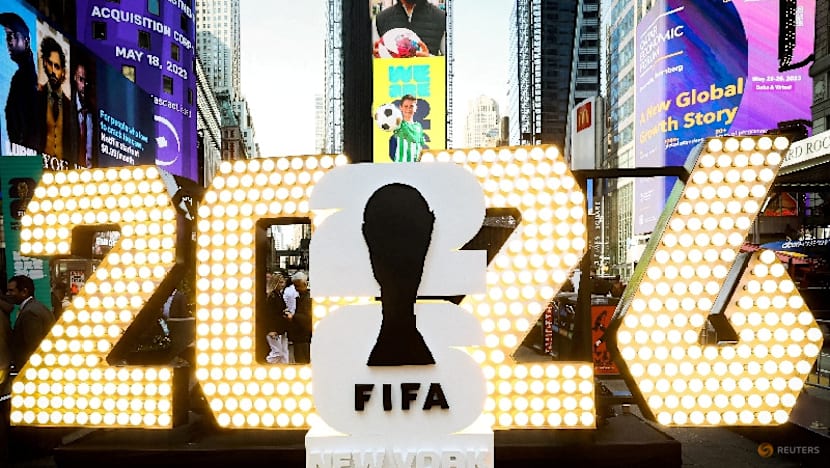 The New York/New Jersey's FIFA World Cup 2026 logo is revealed during a kickoff event in Times Square, New York City, in 2023. (File photo: Reuters/Brendan McDermid)
New: You can now listen to articles.

This audio is generated by an AI tool.

NEW YORK: More than a million football fans are expected to descend on New York and New Jersey for the FIFA World Cup next month, providing a major boost to the local economy.
But for many supporters, soaring costs for flights, accommodation and match tickets have placed the tournament out of reach.
The World Cup kicks off on Jun 11, with matches taking place across 16 host cities in the United States, Canada and Mexico. The New York-New Jersey region will stage several fixtures, including the final at the MetLife Stadium on Jul 19.
The New York/New Jersey Host Committee estimates the tournament will generate US$3.3 billion in economic impact for the area, benefiting hotels, restaurants, transport operators and small businesses.
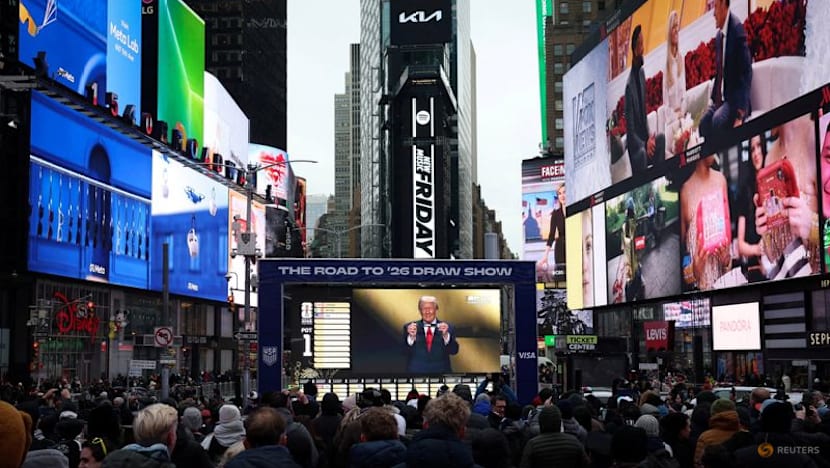 People watch as US President Donald Trump draws the USA during the FIFA World Cup 2026 Draw, on a screen in Times Square, New York City, Dec 5, 2025. (Photo: Reuters/Brendan McDermid)
TOURNAMENT SPENDING SURGE
For overseas football fans hoping to catch the action in and around New York City, the first hurdle is getting there.
Jet fuel prices are hovering between US$4 and US$5 per gallon – roughly US$1 to US$1.30 a litre – as tensions in the Middle East continue to weigh on global energy markets. That is about 75 to 120 per cent higher than pre-conflict levels.
That is driving up airfares, with fans booking late likely to pay significantly more for flights to the US.
Most international visitors are expected to arrive through John F Kennedy International Airport, where even the journey into Manhattan comes at a premium.
New York taxi driver MK Khan, who is originally from India, said business has been slow in recent months, but he hopes the World Cup will bring a turnaround.
“Right now, there are not too many tourists coming in,” he added. “But when the World Cup starts, people will come here, so my work will be busy.”
A standard taxi ride from JFK Airport to Manhattan carries a flat fare of US$70, but once tolls, surcharges and tips are added, passengers can easily end up paying more than US$100.
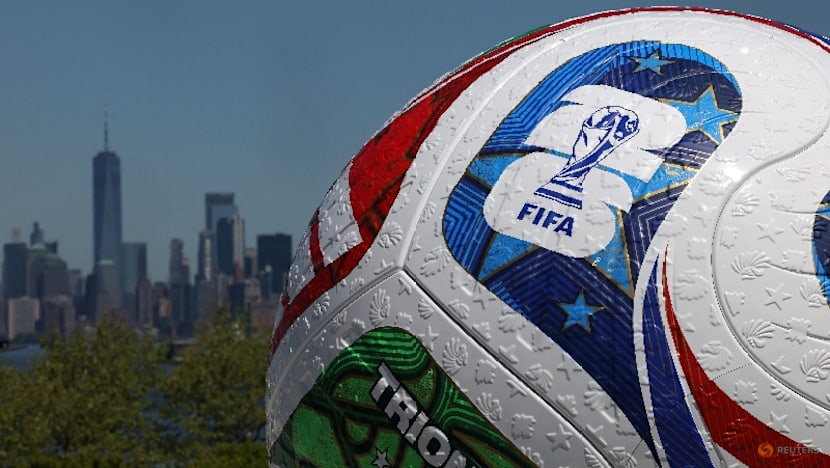 A blow-up of the Trionda, the official match ball of the FIFA World Cup 2026, stands during a press conference in New York City, Apr 27, 2026. (Photo: Reuters/Shannon Stapleton)
Accommodation is another major expense.
New York has hundreds of hotels, ranging from budget options to luxury stays. Yet surprisingly, the anticipated World Cup hotel boom has not materialised so far.
As of late April, only about 18 per cent of hotel rooms had been booked for the tournament period, according to analytics group CoStar. That is down from 26 per cent during the same period last year.
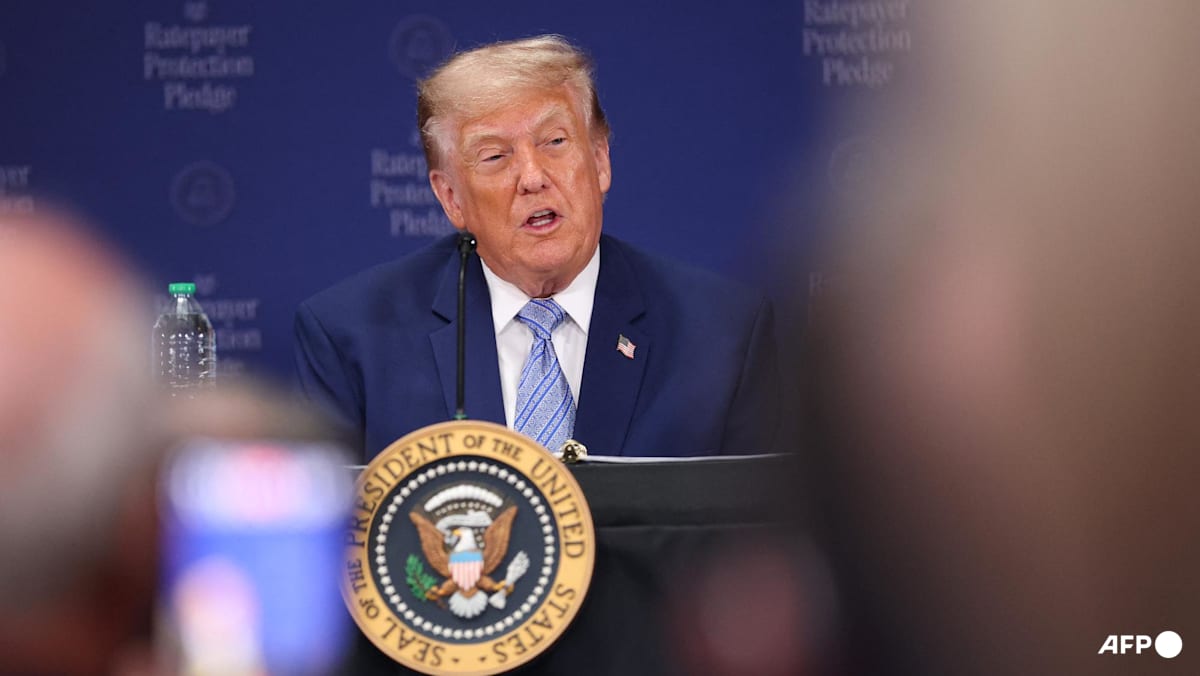
Vijay Dandapani, president and CEO of the Hotel Association of New York City, said the sluggish booking numbers could partly be due to what some are calling the “Trump slump”, with some visitors less inclined to travel because of President Donald Trump’s policies.
“I think it's significant,” said Dandapani. “The visas are obviously one part of that. This sense that you're not welcome in the country is being telegraphed sometimes overtly and many times subtly.”
FANS FACE HIGH COSTS
Even basic meals are becoming more expensive for visitors. A hot dog from a New York street cart, for example, can cost around US$5.
Jessica Walker, president and CEO of the Manhattan Chamber of Commerce, said rising operating costs are putting pressure on businesses across the city.
“The cost of doing business in New York City has exploded, for a lot of reasons,” she added.
“It's not just rents – it's also the cost of insurance, the cost of utilities, and costs that have come from tariffs and inflation. For small businesses, they see this as a huge opportunity to potentially drive a lot of sales and revenue.”
One of the biggest controversies surrounding the tournament has been transport pricing for fans travelling to matches.
A train trip from Penn Station in Manhattan to the MetLife Stadium in New Jersey’s East Rutherford typically costs about US$12.90. But during the World Cup, a round-trip fare could cost fans US$98.
The fare was reduced from an earlier proposed price of US$150, and later US$105, following backlash from supporters.
New Jersey Transit said the higher fares reflect the cost of transporting fans to and from matches during the tournament, which the agency estimates will cost about US$62 million.
Then there are the match tickets themselves.
Official World Cup ticket prices started at around US$140 for lower-tier matches, but premium seats for the final can cost more than US$8,000. Resale prices are climbing even higher.
Still, for many football fans, the World Cup remains a chance to be part of a global spectacle that transcends the game itself.
But in New York and New Jersey this summer, that dream is coming with a price tag that many ordinary supporters simply cannot afford.