 3 months ago
107
3 months ago
107
In a region widely regarded as the data centre capital of the world, voters are pushing back against soaring electricity prices.
In Northern Virginia, data centres are emerging as a flashpoint over power demand and infrastructure strain.
New: You can now listen to articles.

This audio is generated by an AI tool.

NORTHERN VIRGINIA: Rising energy costs are fuelling frustration among American voters ahead of this year’s midterm elections.
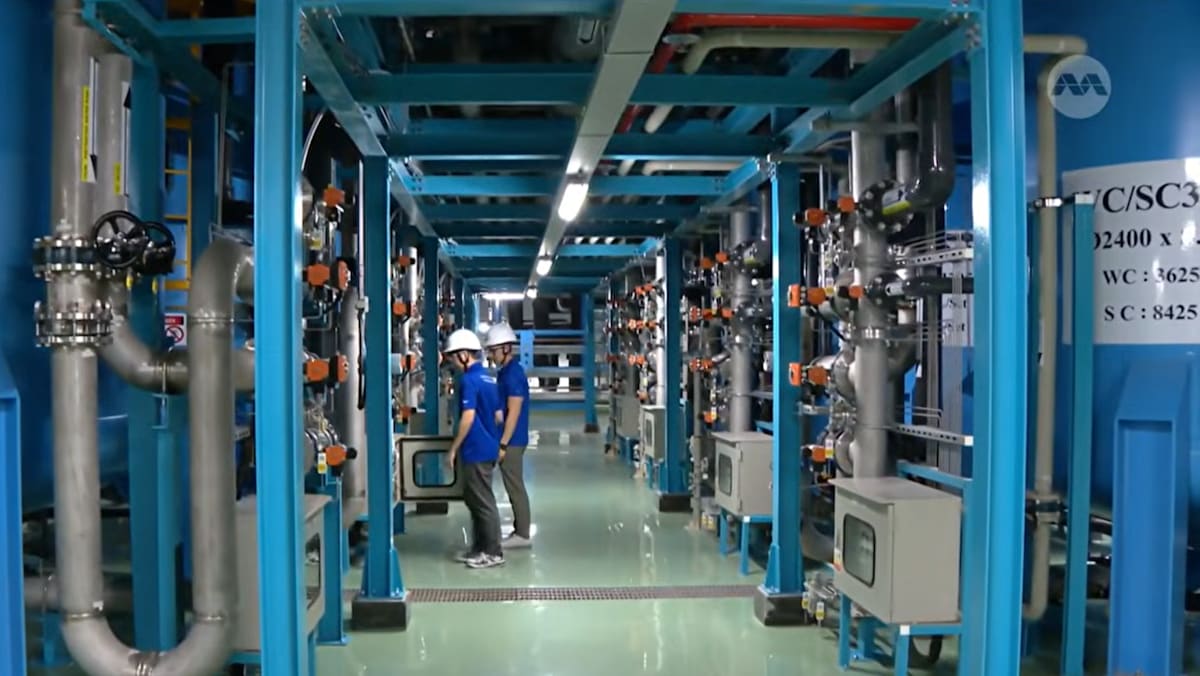
In Northern Virginia, data centres – notorious for guzzling massive amounts of electricity and water – are emerging as a flashpoint over power demand and infrastructure strain.
The region on the eastern coast of the United States is widely regarded as the data centre capital of the world, with a large concentration of server farms clustered in counties just outside Washington, DC.
Its rise can be traced back to early tax incentives that attracted major tech investments, coupled with Northern Virginia’s dense fibre-optic network, which has made it an attractive hub for internet infrastructure.
But rapid expansion, now accelerated by the global artificial intelligence boom, is sharply increasing electricity demand, putting pressure on the power grid and drawing political pushback.
COMMUNITIES FIGHT BACK
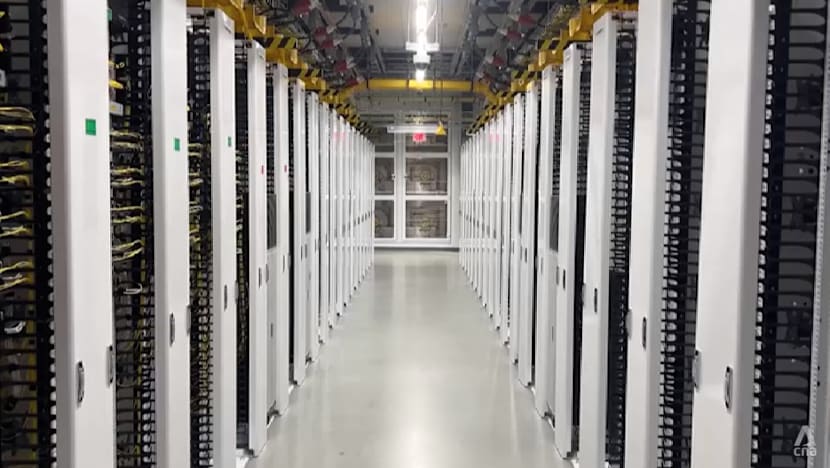
Data centres are huge buildings filled with powerful servers that store, process and transmit data for everything from cloud services to AI systems.
These facilities run around the clock, drawing large amounts of electricity not just for computing but also to power cooling systems that prevent equipment from overheating.
Last year, Prince William County residents won a legal challenge that halted plans to build a mega data centre corridor. Part of that project – roughly the size of 1,200 football fields – would have been built on land near the Manassas National Battlefield Park, a historic Civil War site.
It was but a small victory against data centres, which local resident John Steinbach said are competing with the community for energy, especially in the winter.
 The Manassas National Battlefield Park in Prince William County, Virginia, is a historic Civil War site.
“They’re monstrous, they’re as big as a Walmart super centre,” he said, describing the sprawling server farms that have reshaped his community.
“Last month, my electrical bill was US$281 and that’s US$100 more than I’ve ever paid before.”
Steinbach told CNA that the surge in data centre activity is increasing electricity demand in the area, which in turn is driving higher prices for local residents.
“I expect that next month, my electrical bill will be well over US$300,” he added. “There are many poor families here that are going to be affected much worse than me.”
HOW BIG OF A PROBLEM IS IT?
Data centres made up about 4.4 per cent of US electricity consumption in 2023 – more than the entire state of New York uses in a year – according to a Department of Energy report in 2024.
In Virginia, such facilities account for an even larger slice of the state’s power use.
Industry estimates put the number of data centres in the state at around 600, with most clustered in Northern Virginia. That number is expected to grow as demand for AI and cloud computing increases.
Backers of the industry argue that these facilities create jobs and contribute significant tax revenue, though critics say tax incentives reduce what companies ultimately pay.
This debate has now taken on a political dimension.
Asked if the issue would impact his vote in November’s midterms, Steinbach replied: “Absolutely. It dictates how I vote. It’s almost a single issue.”
President Donald Trump, a supporter of AI and tech infrastructure, weighed in on the matter in January.
He posted on his Truth Social platform that he never wants Americans to pay higher electricity bills because of data centres and said tech giants such as Microsoft will make “major changes” so consumers would not pick up the tab.
At the launch of its newest AI data centre in Wisconsin last September, Microsoft’s president Brad Smith said the company would pre-pay for energy and grid infrastructure to keep prices stable and protect consumers from future cost increases.
Smith added that investing in US data centres was vital to keeping the country at the forefront of AI technology.
BETTER ENERGY PLANNING NEEDED
But with electricity demand rising, experts warn that without additional energy – including renewable sources – the expansion of AI and the data centres powering it could slow.
Brookings Institution senior fellow in governance studies Darrell West said existing public policy also does not yet address the challenges data centres pose for local communities.
He argued for written agreements that spell out electricity needs, who will pay for the required infrastructure, and what jobs or tax revenue companies will provide in return.
“Communities are actually in a much stronger bargaining position than they realise,” West added.