 3 months ago
174
3 months ago
174
Institute for Adult Learning supports workplace learning practitioners in redesigning processes, engaging stakeholders and building resilient teams.
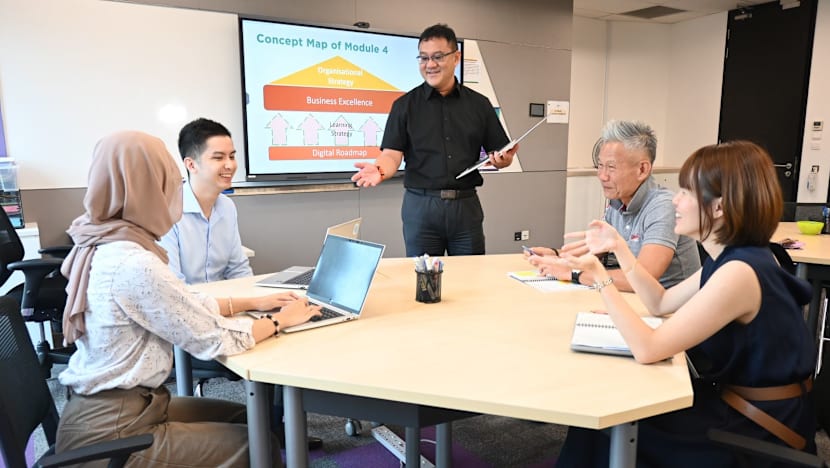
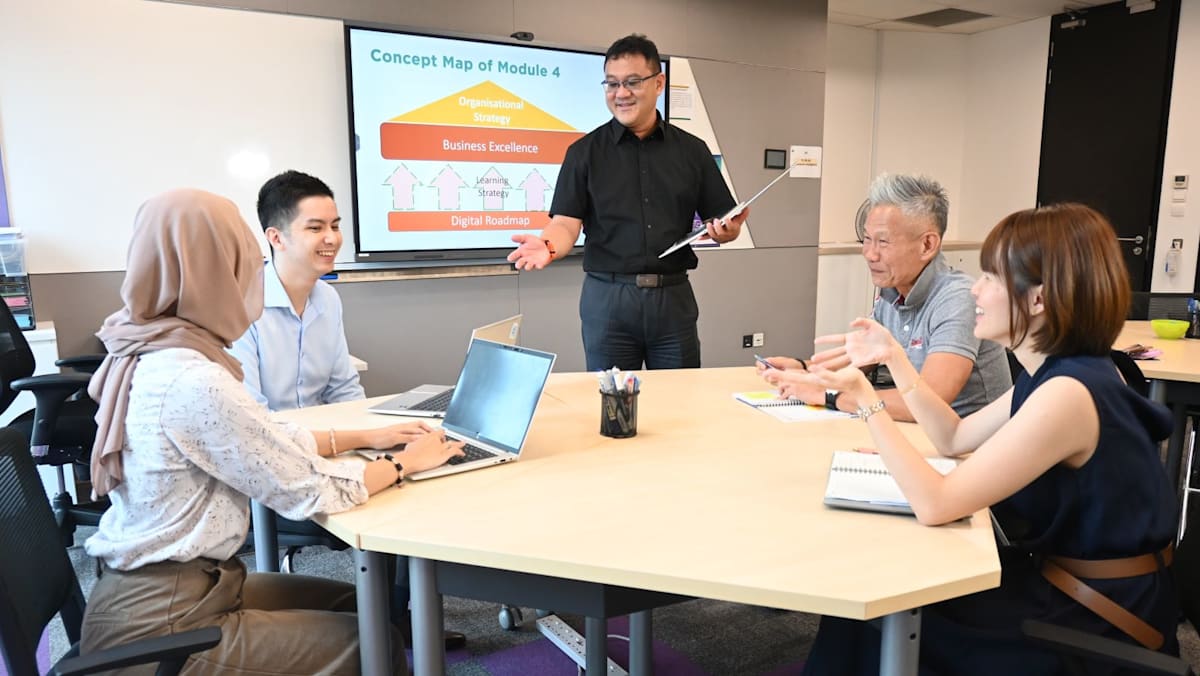
The WSQ Graduate Diploma in Workplace Learning equips seasoned adult educators with the tools to assess organisational needs and tailor change strategies. Photos: SUSS-IAL
New: You can now listen to articles.

This audio is generated by an AI tool.
A decade ago, after wrapping up her first session as a corporate trainer, Ms Magdalene Yang had a lingering thought: While people left inspired, the real test was whether they could apply the learning at work the next day.
“Too often, that wasn’t happening. That gap stuck with me and became the question that guided my career,” shared Ms Yang, head of people and culture at Integrum Global. “How can I make learning part of the workplace itself, not just in the classroom?”
This motivated Ms Yang, who is in her 40s, to pursue the WSQ Graduate Diploma in Workplace Learning (GDWPL) at the Institute for Adult Learning (IAL) in September 2024. “I needed a deeper framework for identifying workplace challenges, engaging stakeholders and redesigning systems and processes,” she said.
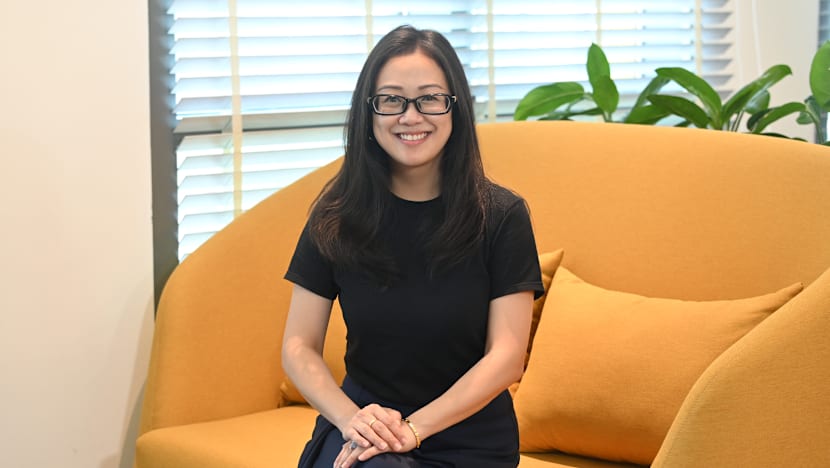 At IAL, Ms Magdalene Yang found the tools to reframe learning as a driver of organisational change – one rooted in real-world practice, not just training hours.
At IAL, an autonomous institute of the Singapore University of Social Sciences, Ms Yang found a nurturing environment grounded in experiential knowledge. Facilitators of the WSQ GDWPL were seasoned industry practitioners who provided practical feedback, and there were opportunities to test frameworks against “messy, real-world challenges”.
“IAL equips you to question systems, influence leaders and design learning that aligns with business goals,” said Ms Yang. “I now see workplace learning as a lever for organisational transformation. It’s not about ticking off training hours but embedding learning so deeply that it changes the way people think, work and grow.”
LEARNING TO TRANSFORM ORGANISATIONS
Launched last year, the WSQ GDWPL is aimed at experienced adult learning professionals seeking to deepen their skills in diagnosing organisational needs and creating customised change management strategies.
It balances academic rigour with practical application by using a curriculum aligned with the Singapore Skills Framework and focusing on technical skills like needs analysis and strategy development.
Designed with busy professionals in mind, it can be completed in six months through a mix of online and face-to-face sessions.
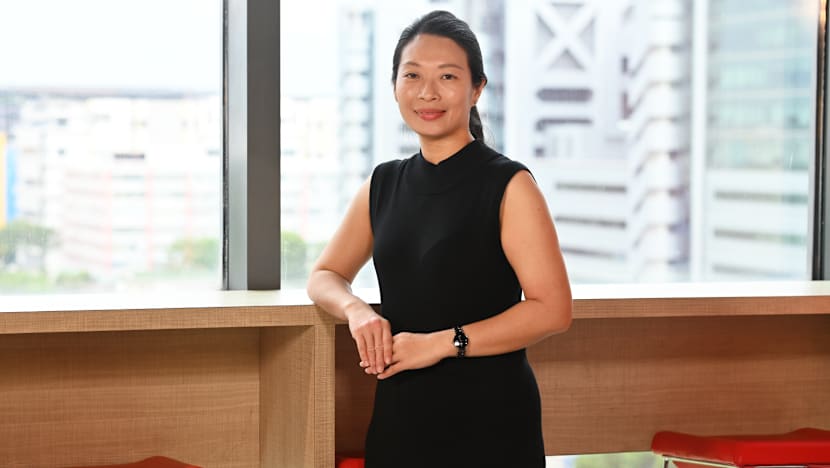 Career coach Mavis Ng says a key highlight of the programme was its peer learning environment.
For career coach Mavis Ng, the WSQ GDWPL enabled her to push her practice further. “While strong in coaching and consulting, I was still relatively new to structured learning development,” the 41-year-old said.
Through the programme, Ms Ng gained practical tools and frameworks that complemented her coaching skills and design thinking expertise. These helped her generate deeper insights and more meaningful outcomes for leaders.
The peer learning environment was another highlight. “During the course, I raised the common challenge of organisations questioning the long-term impact of workplace learning. Through dialogue with classmates, I gained new perspectives on how to guide enterprises in sustaining workplace learning for lasting impact,” she said.
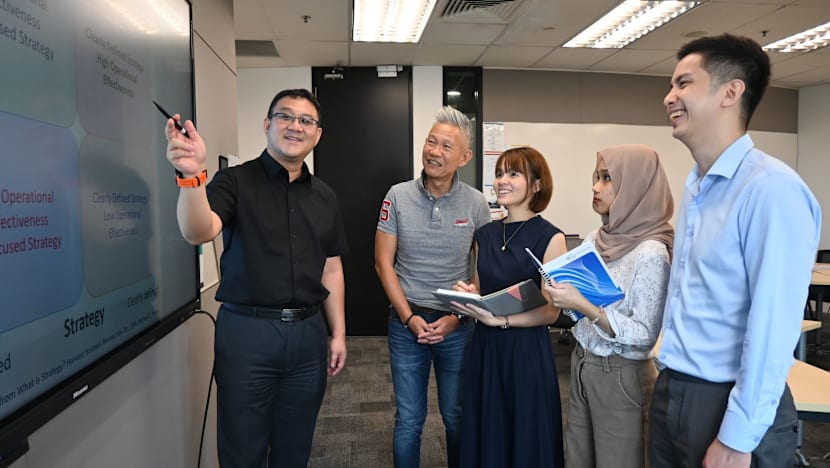 The programme supports participants in navigating complex situations and designing learning solutions with business impact.
Mr Derrick Lim, a 38-year-old who works in professional services, appreciated GDWPL’s blend of theory and practice, and found the modules on job redesign and process streamlining particularly impactful.
“I learnt to systematically analyse work processes, identify bottlenecks and implement improvements that benefit both employees and the business,” said Mr Lim. The experience has led to new projects and positioned him to potentially take on more strategic roles and contribute to organisational growth.
UPSKILLING AS EMPOWERMENT
According to Ms Carol Chen, director for partnership and market development at IAL, continuous learning is no longer optional. “It is the foundation of employability, adaptability and resilience,” she said. “Our studies show that organisations that invest in structured workplace learning see stronger performance and greater agility.”
“Companies we’ve partnered have successfully redesigned jobs, equipped supervisors with facilitation skills and empowered staff to take on new responsibilities,” she added. “These changes not only improved productivity but also built a culture of continuous learning that prepares employees for future challenges.”
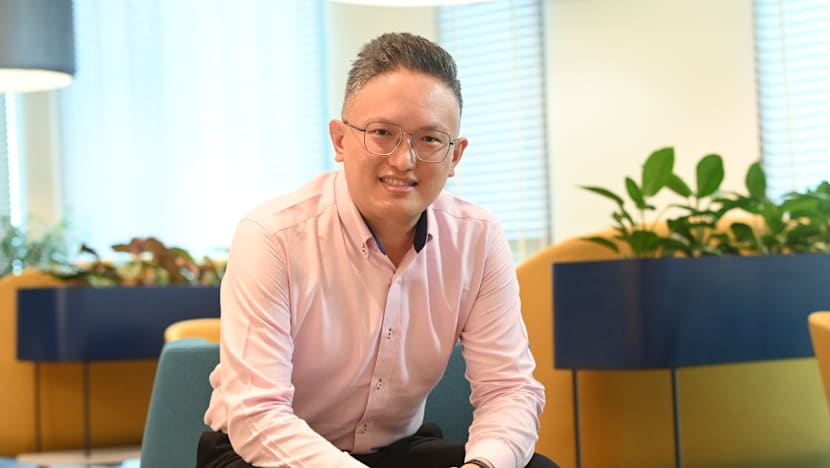 For Mr Derrick Lim, the programme’s focus on job redesign and process streamlining helped pave the way for more strategic responsibilities.
Ms Ng agreed, noting that while experience builds “practical wisdom”, structured upskilling provides the tools to stay relevant. “Both demand resources such as time and investment but yield long-term value for individuals and organisations,” she said.
For Ms Yang, upskilling is a form of empowerment. “It allows workers to be active participants in transformation, not passive bystanders watching change happen around them.”
Completing GDWPL has given her the confidence to take on bigger roles. “I now consult with organisations on AI-powered workforce transformation – something I would not have been confident doing without the grounding that GDWPL provided,” she said.
“I see myself not just as a trainer or educator, but as a transformation partner who helps organisations navigate change,” she added.
To help drive workforce transformation, enrol in IAL’s WSQ Graduate Diploma in Workplace Learning. If you have any questions, submit them using the form on the IAL website.