 3 months ago
155
3 months ago
155


TURNING TRADE PAPERWORK
INTO DIGITAL POTENTIAL
IMDA’s TradeTrust framework is giving global businesses the confidence and legal certainty to move digital trade documents swiftly and securely across borders.
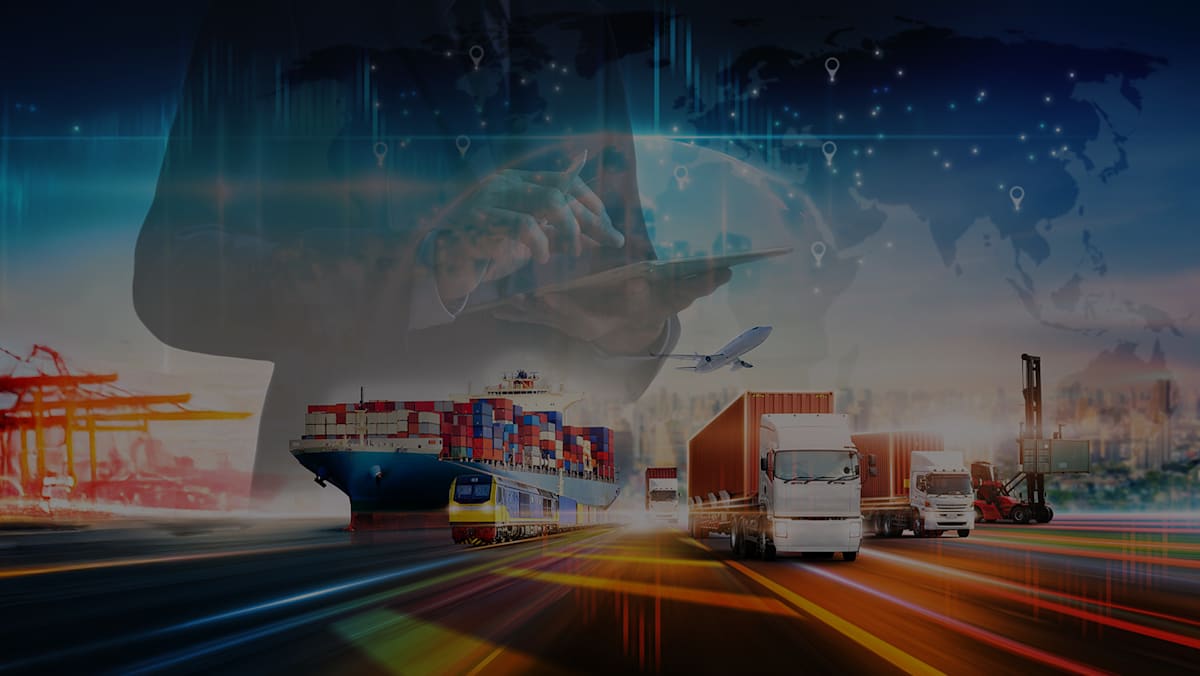
When a vessel carrying canned food left China for Singapore recently, its trade documents were not dispatched by courier — the common practice for cross-border shipments. Instead, they were transmitted digitally and securely, arriving in Singapore within minutes.
The delivery was part of a pilot project between Beijing and Singapore using TradeTrust, a framework developed by the Infocomm Media Development Authority (IMDA) to make the exchange of trade documents faster, safer and fully digital. The initiative demonstrated how electronic trade title documents can move seamlessly across platforms, bringing greater speed and certainty to cross-border transactions.
In China, agri-trading giant COFCO issued and transferred an electronic bill of lading (eBL) entirely online. Under the traditional paper-based process, the period from shipment to payment settlement would typically have taken around 20 days. Through digital transmission, however, this was reduced to just five days, minimising delays in document processing and significantly improving capital turnover efficiency. Meanwhile, in Singapore, DBS Bank verified the document’s authenticity almost instantly and proceeded with financing within minutes, rather than waiting days for the physical originals to arrive.
 Mr Eng Soon Liau, lead for Digital Utilities Cluster at IMDA and CEO of SGTraDex Technologies, highlights how digital trade documents are driving faster, more secure and trusted global transactions.
For trading firms and banks accustomed to managing stacks of paper across time zones, the change was significant. “By cutting document circulation from days to minutes, the pilot showed how both parties can reduce friction, accelerate settlement and strengthen trust in cross-border transactions,” said Mr Liau Eng Soon, who leads IMDA’s Digital Utilities Cluster and is CEO of Singapore Trade Data Exchange (SGTraDex) Technologies, an IMDA subsidiary.
The collaboration brought together banks, carriers and trading companies from both countries, offering a real-world glimpse of how digital frameworks like TradeTrust can connect existing systems through common standards, paving the way for more seamless global trade.
MAKING DIGITAL TRADE WORK FOR EVERYONE
TradeTrust is designed to tackle one of the biggest challenges in global trade: the lack of interoperability among the many digital systems used by exporters, importers, carriers, insurers and banks. Each party may have digitised its own processes, but their platforms often operate in silos, making it difficult and costly to exchange information securely across borders.
Through a common set of open-source standards and tools, TradeTrust bridges these systems, enabling the issuance, exchange and verification of electronic transferable documents such as eBLs. “Think of TradeTrust as like an internet for trade documents,” said Mr Liau. “It allows different companies and digital platforms to speak the same language.” Rather than competing with service providers, TradeTrust acts as an enabler, helping them extend their reach, connect with more businesses and serve a broader trading community.
Built on blockchain technology, TradeTrust ensures that digital documents move securely while maintaining their authenticity and legal validity. This helps reduce delays, reduce paperwork and fraud risk, and make trade more efficient and transparent across borders. “That’s especially important for a trading nation like Singapore,” Mr Liau added.
 TradeTrust connects digital trade systems worldwide through open standards, creating a trusted network for seamless and secure exchange of trade documents.
Unlike proprietary systems that compete for users, TradeTrust allows businesses to retain their preferred platforms while participating in a wider digital network. This neutrality is a key reason for its growing international recognition. The framework has been listed as a Digital Public Good by the Digital Public Goods Alliance and featured by the World Customs Organization for its role in advancing cross-border digitalisation. Such recognition underscores its credibility and the trust it has earned as an open, neutral foundation for global digital trade.
Beyond its technical capabilities, TradeTrust also helps build confidence among businesses that have been slow to adopt digital solutions. By offering a trusted framework backed by international standards, it lowers the barriers to entry for companies large and small, allowing them to take part in the digital economy with greater assurance and less disruption to their existing systems.
TradeTrust: The ‘Internet of Trade Documents’
- Easy adoption: Connect through a TradeTrust-Ready partner and integrate seamlessly with existing systems without changing platforms
- Trusted framework: Uses blockchain and open standards to verify and transfer trade documents securely across different platforms
- Two document types: Supports transferable documents (e.g. electronic bills of lading) and verifiable documents (e.g. certificates of origin)
- Proof of authenticity: Each document is digitally signed to verify its source and ensure the content has not been altered
- Title transfer: Ownership of transferable documents moves from one party to another securely through the blockchain
LEGAL CERTAINTY FOR A DIGITAL FUTURE
A key milestone in TradeTrust’s development is the introduction of the TradeTrust Model Terms. Developed in collaboration with international law experts, these terms give businesses a clear contractual framework for using eBLs on the platform. They spell out roles, responsibilities and liabilities, and even outline what happens in the event of disputes or system failures.
This development addresses a long-standing concern over the digital adoption of trade documents — the perception that electronic records lack the legal weight of their physical counterparts. By aligning with international standards such as the Model Law on Electronic Transferable Records, which Singapore and several other jurisdictions have adopted, TradeTrust ensures that eBLs carry the same legal standing as paper originals.
“The Model Terms give businesses confidence that adopting eBLs provides the same legal protection as paper, but with far greater efficiency,” said Mr Liau. “It’s a major step in showing that digital trade can be both trusted and recognised under the law.”
 Built on blockchain technology, TradeTrust verifies and transfers trade documents securely across platforms, ensuring authenticity and trust in every transaction.
TOWARDS A BORDERLESS DIGITAL TRADE ECOSYSTEM
While eBLs are the current focus, TradeTrust’s potential extends well beyond them. The framework already supports other trade documents such as certificates of origin, and can be expanded to include invoices, permits and customs declarations, enabling full digitisation of the supply chain.
As more document types are brought into this interoperable framework, trade processes will become faster and more efficient. Customs clearances can be completed sooner, banks can provide financing earlier, and companies will spend less time on paperwork and compliance. Together, these improvements help businesses operate with greater agility and confidence in a connected global economy.
By combining the security of blockchain, the assurance of international law and the neutrality of an open standard, TradeTrust represents a major step towards a world where trade documents flow as seamlessly as information on the internet — allowing for trusted, scalable and inclusive trade across borders.
“TradeTrust is shifting us from closed, siloed systems to an open, interoperable network where companies are no longer locked into a single platform,” said Mr Liau. “Over the coming years, we expect trade flows to become faster, more transparent and far less dependent on manual handovers, reducing friction and cost for everyone.”
With global recognition growing and adoption accelerating, TradeTrust is redefining how trade is conducted. By enabling trust, speed and legal certainty across borders, it is helping to build a truly borderless global trading system.