 3 months ago
112
3 months ago
112
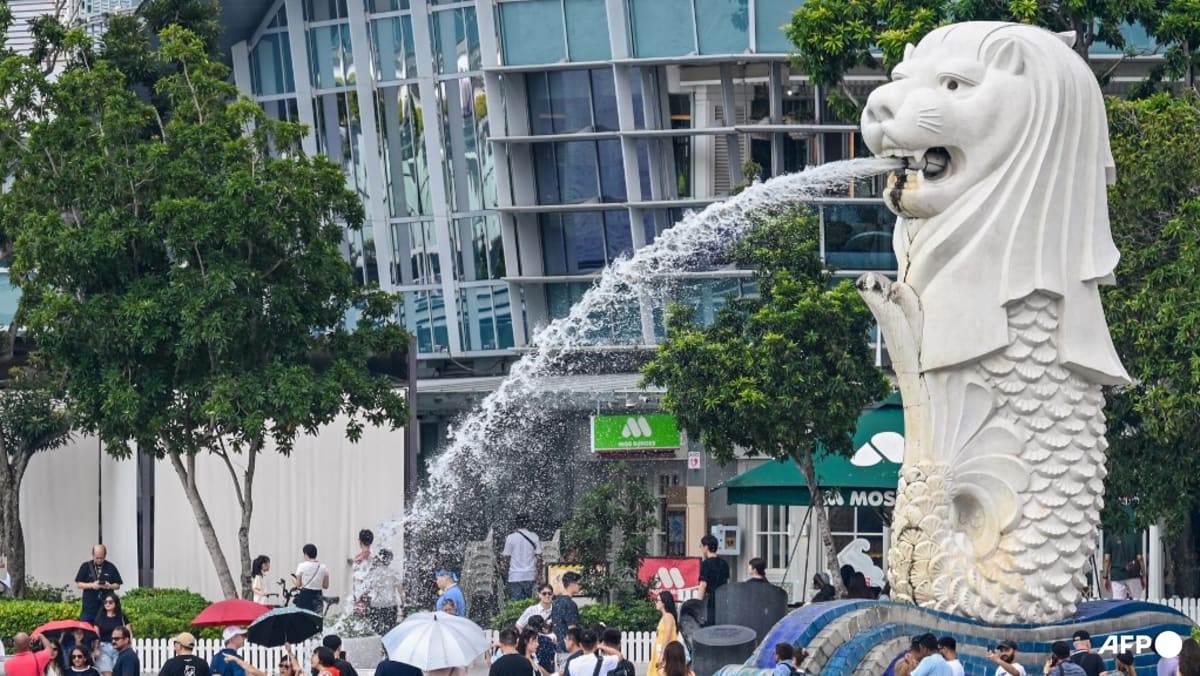
TAIPEI, March 19 : Taiwan's central bank on Thursday raised its growth outlook substantially for the year thanks to booming tech exports, but it also raised its inflation forecast and said it could tighten monetary policy if the Middle East war dragged on. The central bank left the benchmark discount rate at 2 per cent, in a unanimous decision and in line with predictions from a Reuters poll where all 29 economists had forecast no change. The central bank raised its economic growth forecast to 7.28 per cent from the previous prediction of 3.67 per cent given in December, saying tech demand was expected to drive exports this year.
In view of the uncertainty surrounding the global economic and financial outlook, as well as the potential impact of the conflict in the Middle East and U.S. trade policy on domestic prices and the economy, the central bank considered it "appropriate" to stand pat on interest rates, it added.
Governor Yang Chin-long told reporters that most international institutions had not made significant changes to their forecasts for Taiwan's economic growth rate because of the war.
But he warned: "If the conflict drags on, it could have a relatively large impact on energy prices, and correspondingly, a greater impact on global economic growth."
"Our monetary policy will move in a tighter direction; the key lies in the second quarter," Yang added.Taiwan's economy grew 8.68 per cent in 2025, its fastest rate in 15 years, buoyed by high demand for semiconductors used in artificial intelligence applications from companies such as Nvidia. The central bank slightly raised its consumer price index (CPI) forecast for this year to 1.8 per cent, up from its December forecast of 1.63 per cent, but still below its 2 per cent "warning line".
Mickey Liao, an analyst at Taiwan's SinoPac Securities, said that if the war can be brought under control within four to six weeks, full-year CPI is still expected to remain below 2 per cent, and, adding that to strong economic growth, the central bank would be unlikely to cut interest rates this year.
"But the chance of a rate hike is also very low, unless the war in the Middle East drags on and causes CPI to surge above 3 per cent, in which case the central bank may consider tightening monetary policy," he added. Taiwan's rate decision came a day after the U.S. Federal Reserve held interest rates steady and projected higher inflation, steady unemployment and a single reduction in borrowing costs this year.