 1 month ago
58
1 month ago
58
NEW DELHI, March 23 : Oil prices swung between gains and losses on Monday as investors weighed rising U.S. and Iranian threats over energy facilities against the release of millions of barrels of seaborne Iranian oil after Washington temporarily removed sanctions.
Brent crude futures rose 65 cents to $112.84 a barrel by 0446 GMT. U.S. West Texas Intermediate was at $98.75 a barrel, up 84 cents. Both contracts were down more than $1 earlier in the session.
The spread of more than $13 a barrel between Brent and WTI is the widest in years.
"Oil sentiment may lurch on threats and rhetoric in the near term, but its more durable direction will continue to be shaped by the state of Middle East oil flows," said Vandana Hari, founder of oil market analysis provider Vanda Insights.
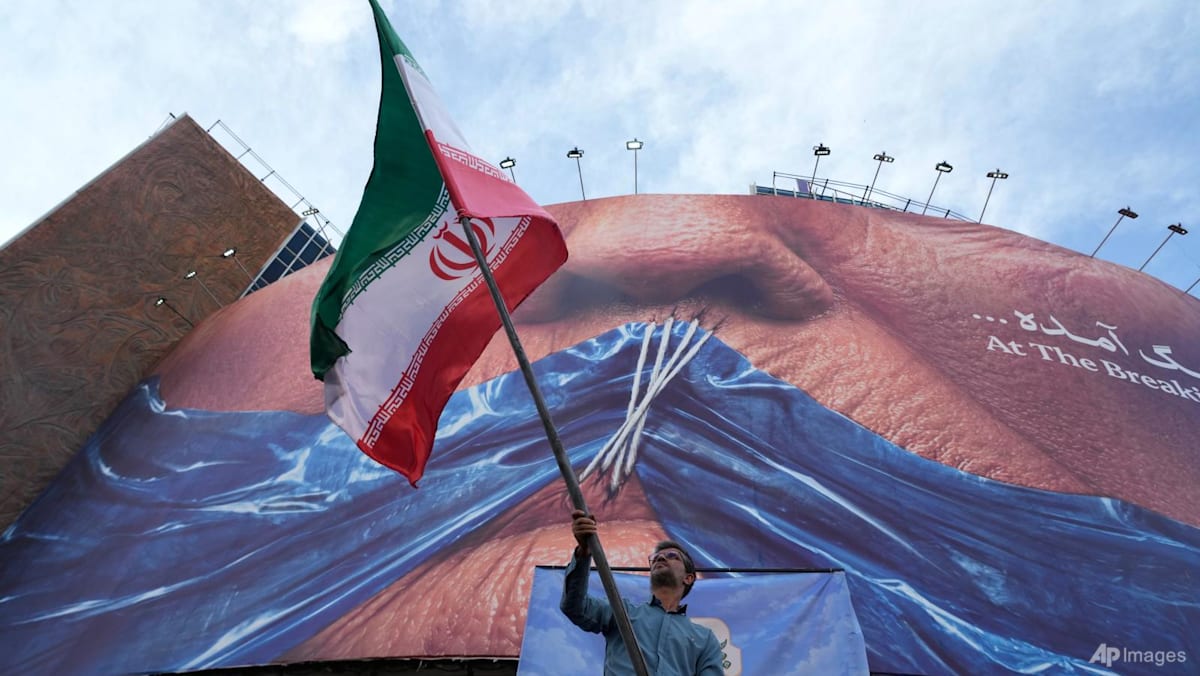
On Saturday, U.S. President Donald Trump threatened to "obliterate" Iran's power plants if it did not fully reopen the Strait of Hormuz within 48 hours, barely a day after he talked about "winding down" the war, now in its fourth week.
Iran's Parliament Speaker Mohammad Baqer Qalibaf wrote on X that critical infrastructure and energy facilities in the Middle East could be "irreversibly destroyed" if Iranian power plants were attacked.
"It clearly means more escalation, which means higher oil prices. Some are incorrectly thinking, however, that Iran may cave," said Amrita Sen, founder of Energy Aspects.
"Trump is trying to show he can out-escalate and that way ends in scorched earth for Gulf infrastructure."
The crisis in the Middle East is "very severe" and worse than the two oil shocks of the 1970s put together, Fatih Birol, the executive director of the International Energy Agency, said on Monday.
The war has damaged major energy facilities in the Gulf and nearly halted shipping through the Strait of Hormuz, which handles about 20 per cent of global oil and liquefied natural gas flows.
Analysts estimated a loss of 7 million to 10 million barrels per day of oil production in the Middle East.
Iraq has declared force majeure on all oilfields developed by foreign oil companies, three energy officials said.
Crude production at Basra Oil Company has been cut to 900,000 bpd from 3.3 million bpd, Iraqi Oil Minister Hayan Abdel-Ghani said in a statement issued by his ministry.
Indian refiners plan to resume buying Iranian oil while refiners elsewhere in Asia are examining such a move, traders have said.
"Drawing not only on the subtext of Trump’s remarks but also on a distillation of his barrage of often opaque, at times contradictory, statements, we detect a desire to bring hostilities to an end, alongside a growing focus on reopening the Strait of Hormuz," Hari said.
However, it is unclear that threats to strike Tehran’s energy infrastructure "will prove effective so long as Iran retains the capacity to launch retaliatory, like-for-like attacks on neighbouring states," Hari added.