 1 month ago
106
1 month ago
106
National Gallery Singapore will hold its first-ever R18 exhibition, beginning this month. Titled Passion is Volcanic: Desire in Southeast Asian Art, the exhibition will run from Apr 24 to Aug 30 and explores the concepts of desire, body and sexuality through Southeast Asian art.
The exhibition features over 70 works from various periods, divided into three sections: Asian Mythos and Ritual, Conventions of the Erotic, and Public Arenas/Private Interiors.
Each section will showcase how desire has interacted with different cultural and historical contexts over the years.
Some of the featured artworks and pieces include a gilt-copper sculpture of Vajradhara, the highest state of enlightenment, embracing Prajnaparamita, the mother of all Buddhas, as well as a coldcast marble sculpture depicting the Bicolano warrior goddess of the moon in a childbirth position.
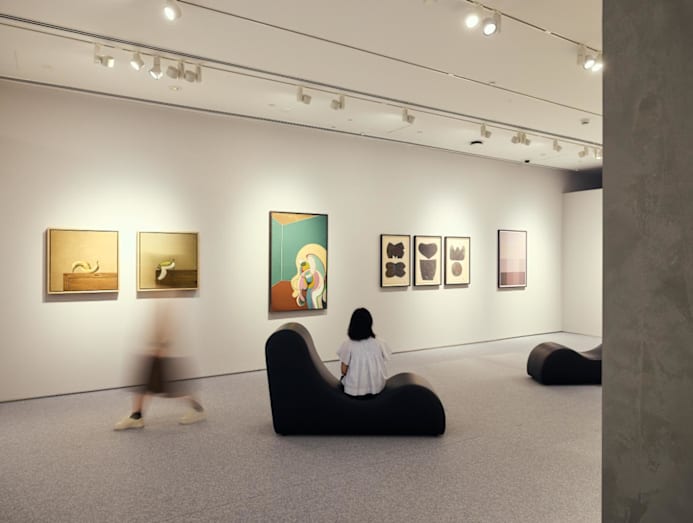 Installation view of Passion is Volcanic: Desire in Southeast Asian Art. (Photo: National Gallery Singapore)
Passion is Volcanic: Desire in Southeast Asian Art will be held at the Level 4 Gallery of National Gallery Singapore and is strictly for visitors aged 18 and above; valid identification will be required at entry.
Tickets for the exhibition cost S$5 for Singapore citizens and permanent residents, and S$8 for other nationalities. More information can be found at the exhibition's website.
In a statement, Patrick Flores, chief curator and project director of the exhibition, said: “Art and desire have always been intertwined, yet conversations about pleasure and the body remain shielded in the region’s public sphere.
“Passion is Volcanic: Desire in Southeast Asian Art engages with these themes in a considered and meaningful way and demonstrates how complex subjects can be approached with intellectual rigour and curatorial care.
"This exhibition invites us to look beyond familiar or simplified ideas of the erotic, exploring how desire is not fixed, but shaped by culture, history, and power. It opens up a more layered understanding of Southeast Asian art, one that centres lived, embodied experience as a vital force in artistic practice.”