 3 months ago
123
3 months ago
123
It is increasingly being used in Japanese marinades, South Korean pastries and Southeast Asian desserts such as pandan cakes.
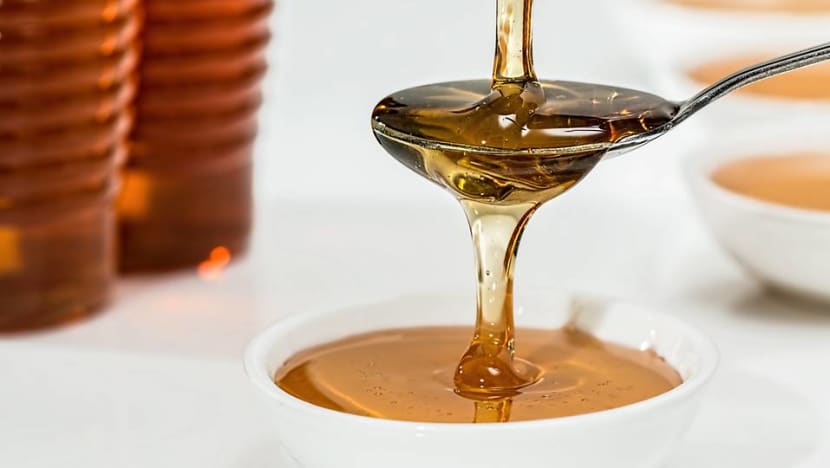
(Photo: Pexels/Pixabay)
New: You can now listen to articles.

This audio is generated by an AI tool.

QUEBEC: Maple syrup has long been a symbol of Canada, with friends and families gathering at sugar shacks across Quebec during springtime to create maple taffy - a sweet treat on a stick made by rolling fresh syrup onto snow.
The ritual is part of a cherished seasonal tradition that lasts six to eight weeks between March and April, when maple farms open their doors to visitors.
Now, maple syrup is gaining popularity far beyond North America as demand rises across Asia.
Traditionally poured over pancakes, it is increasingly being used in Japanese marinades, South Korean pastries and Southeast Asian desserts such as pandan cakes.
The shift reflects a broader global appetite for natural sweeteners and premium food products.
CHALLENGES FROM CLIMATE CHANGE
For many producers, 2026 has been a strong year so far.
“We’ve had monster runs. (The sap from our maple trees) just comes. It almost overwhelms you. It’s a little hard on the nerves,” said David Hall, president of the East Monteregie Maple Syrup Producers.
For Hall and others, maple syrup production is a family legacy passed down through generations.
But while demand is growing, producers in Quebec - the heart of the global maple syrup industry - are facing mounting challenges from climate change.
While technological advances have improved efficiency, the industry remains heavily reliant on weather conditions.
That vulnerability has been clear in recent years. In 2023, severe weather caused production in Quebec to plunge to just over 35 million litres - a 41 per cent drop from the previous year
By 2024, however, yields had rebounded sharply, nearly doubling to a record 68 million litres.
Such fluctuations underscore how sensitive maple syrup production is to temperature changes. Sap flows best when nights are below freezing and days are warmer - conditions that climate change is making increasingly unpredictable.
ASIA BECOMING KEY GROWTH MARKET
Even as supply becomes less certain, global demand continues to expand.
Canada produces roughly 75 per cent of the world’s maple syrup, most of it in Quebec, and has traditionally exported to the United States and Europe.
Now, Asia is emerging as a key growth market.
According to market research firm StatLedger, the Asia-Pacific region accounts for about 8 to 10 per cent of Canadian maple syrup exports. Sales are rising quickly as well, growing more than 7 per cent year-over-year in countries like Japan and South Korea.
Japan is currently the largest Asian market, with producers focusing on fusing maple syrup to local culinary traditions.
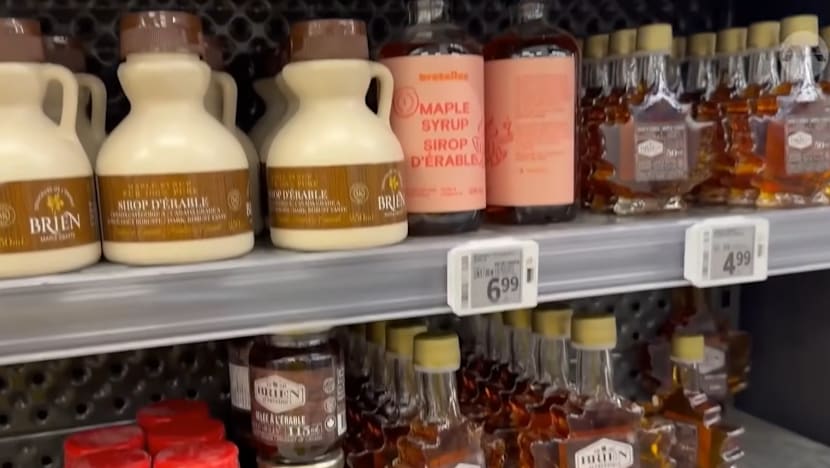 Maple syrup sold in a supermarket.
“It’s important for us to find a fit with the Japanese culture, and who better than a Japanese chef to tell us how to use maple syrup? So that’s what we’re trying to do,” said David Marino, director of promotion and market development at the Federation of Quebec Maple Syrup Producers.
“We do partnerships with local chefs and different things to make sure that maple is included, in the right way, in Japanese culture.”
Marino added that the rise in demand is being driven by consumers seeking more natural alternatives to refined sugar.
Often referred to as “liquid gold”, maple syrup typically retails for between US$14 and US$18 per litre.
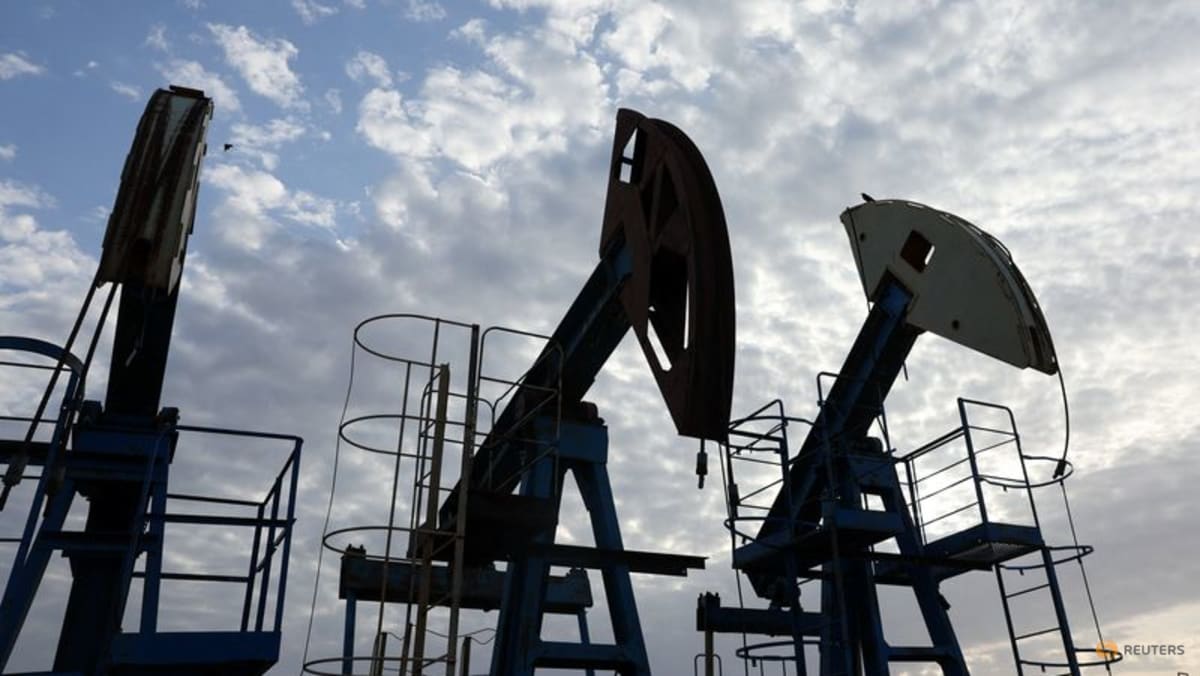
Its value is such that Canada maintains a strategic reserve to stabilise supply and prices - sometimes dubbed the “OPEC of maple syrup”, in reference to the Organization of the Petroleum Exporting Countries, which coordinates policies to stabilise oil markets globally.
In years when production falls short, syrup is released from the reserve, while stocks are replenished in stronger seasons.
However, with demand surging, reserves are increasingly being drawn down even as supply remains tight.
Despite the uncertainties posed by climate change, industry leaders say there is still room to expand production, particularly in Quebec’s northern forests.
“We’re lucky in Quebec because we still have a lot of space up north also and a lot of forests that are untouched and ready for production, so we’re ready for the coming years,” Marino said.