 1 month ago
78
1 month ago
78
As geopolitical conflicts rattle markets, it may feel safer to step aside. But reacting to short-term uncertainty may end up hurting returns, finance author Dawn Cher says.
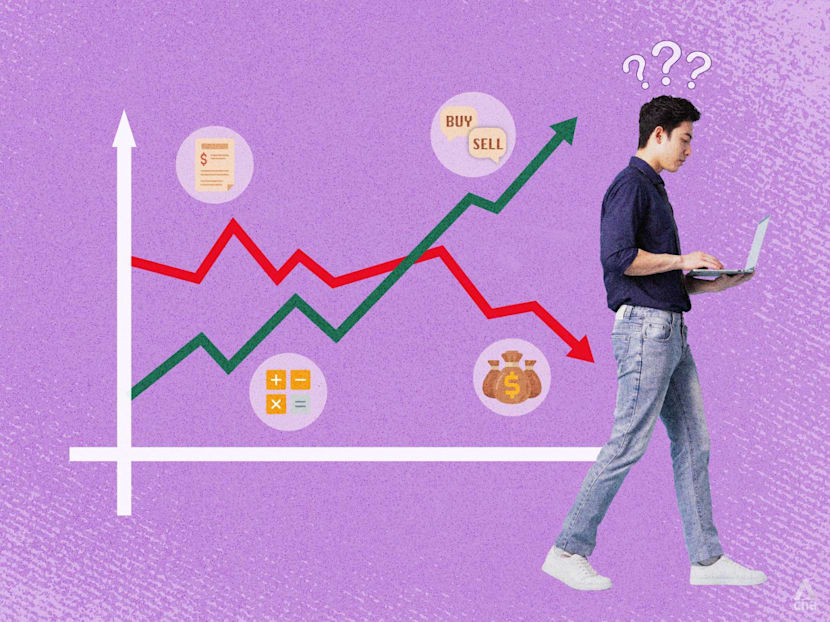
It is not just what the market does that shapes our investment outcomes, but also how we respond to it, finance writer Dawn Cher said. (Illustration: CNA/Clara Ho)
New: You can now listen to articles.

This audio is generated by an AI tool.

In recent weeks, as geopolitical conflicts between the United States and the Middle East turned markets into a rollercoaster, I've been getting the same question from friends and readers.
"Markets are so volatile now … should I just pull everything out and wait?"
It is an understandable reaction. News headlines have been dominated by war, rising geopolitical tensions and unpredictable policy shifts. As a result, markets have moved wildly from one day to the next.
My own portfolio saw a six-figure loss in one day, before bouncing back into profit two days later.
When uncertainty rises, our instinct is often the same: step aside, move to cash and wait for things to feel safe again.
Our brains are wired to chase what feels good and avoid what feels dangerous.
In nature, that instinct keeps us alive. But in markets, that behaviour pushes us to buy at the top and sell at the bottom.
Pulling money out of the market can feel like taking control. You're no longer exposed to volatility. Your portfolio stops fluctuating. The anxiety quiets down.
But that sense of safety is often an illusion, because our money is still being affected – by inflation, by missed opportunities and by the simple reality that markets rarely wait for clarity before they recover.
So instead of reacting to every news headline, a better approach is to build a portfolio that lets you withstand volatility without losing sleep at night.
WHAT FEELS OBVIOUS OFTEN ISN'T
When the Iran war began on Feb 28, most investors expected gold and oil prices to rise.
Logically, it made sense because oil infrastructure was reportedly hit, Iran's currency came under pressure, and tensions around the Strait of Hormuz raised fears of supply disruptions.
For many investors, it felt like an obvious trade – even for those who had never invested in gold or oil before.
However, markets rarely move in straight lines. Those who rushed in would have been in for a rude shock.
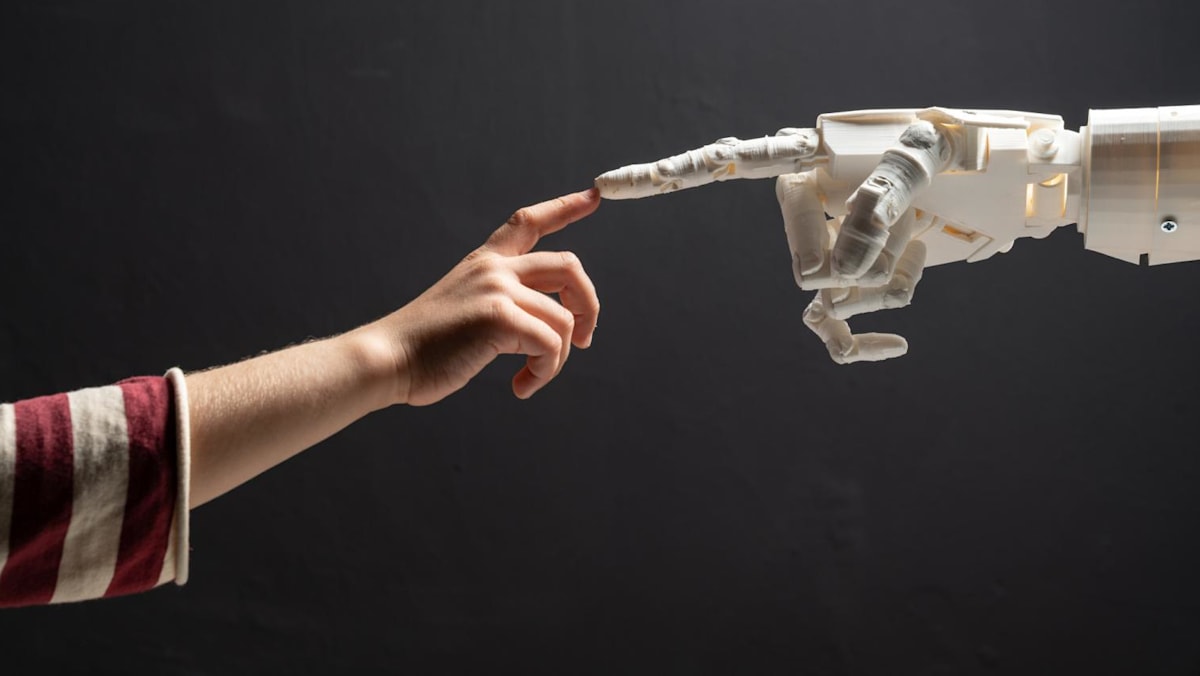
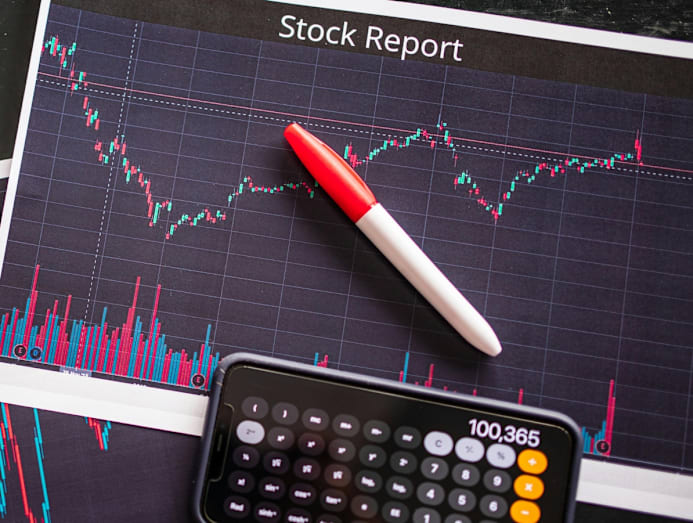 When there is uncertainty about the impact on investments due to an unexpected event or crisis, a panicked rush to buy less risky assets is not always the best move. (Photo: Pexels)
It took almost a week for oil prices to peak above S$119 (US$93) on Mar 9, after which the markets experienced a severe reversal the very next day, following reports that G7 nations were considering releasing strategic reserves to stabilise supply.
Gold prices have been equally unpredictable during this same period. Today, gold prices are even lower than before the war started.
So what felt "safe" turned out to be anything but that.
INVESTING FEELS HARDEST AT THE START
Whether it is oil, gold or stocks, no investment is guaranteed.
Having invested for more than a decade, I have come to realise that all great investments hardly feel comfortable at the time of purchase, because we have no control over where prices will be in the short to medium term.
I didn't feel safe when I bought shares of the US-based data analytics firm Palantir Technologies at US$7 or Singapore's DBS bank at S$14.
That only seems obvious in hindsight, but back then in the moment, it felt just as uncertain as it does now.
The question is whether you understand your investments well enough to act, even when it may feel counterintuitive.
After all, some of the strongest market rebounds in history have come at times when the outlook still looked bleak. By the time things feel stable again, much of the recovery has often already taken place.
This creates a difficult paradox: The moment you feel most uncomfortable staying invested is often when it matters most to stay the course – or even to invest more.
Uncertainty is not unusual in the markets. It is the default.
Over decades, markets have always moved through cycles of fear and recovery – wars, recessions, crises and periods of rapid change.
Yet over time, they have also trended upwards, driven by economic growth, innovation and productivity.
Waiting for certainty before you begin to invest can mean waiting indefinitely, and paying a higher price when you finally do.
A more practical approach is to start gradually.
We can build our exposure over time and accept that our investments will never feel perfectly timed until we look back in hindsight.
THINKING ABOUT RISK AND UNCERTAINTY DIFFERENTLY
In volatile periods, it is easy to focus on market risks such as price swings, economic uncertainty and geopolitical events.
However, over time, I’ve found that the bigger risk for most of us isn't the market. It's our behaviour.
It is the decision to exit after markets have already fallen. It is the hesitation to invest after prices have already risen.
It is the constant shifting between fear and optimism, without even realising we're buying high and selling low.
In other words, it is not just what the market does that shapes our investment outcomes, but also how we respond to it.
And that's the harder part. Staying calm when everything feels uncertain. Not overreacting to every headline. Sticking to a plan even when it feels uncomfortable.
So, in uncertain times like these, maybe the better question isn't asking, "What should I do right now?"
Maybe it's: "Which financial approach can I stick with, even if things remain uncertain for longer than I'd like?"
Because markets will always go through periods like this. The headlines will change, the causes will differ, but the feeling of uncertainty will return time and again.
The goal isn't to avoid that uncertainty. It is to build a portfolio that can withstand it.
Dawn Cher, also known as SG Budget Babe, is the bestselling author of Take Back Control of Your Money. She has been running a popular blog on personal finance for the last 12 years.