 3 months ago
131
3 months ago
131
TOKYO, March 3 : Fresh market volatility triggered by the Middle East conflict has heightened the chance the Bank of Japan will hold off on raising rates in March, sources said, as policymakers need more time to gauge the impact on the economy.
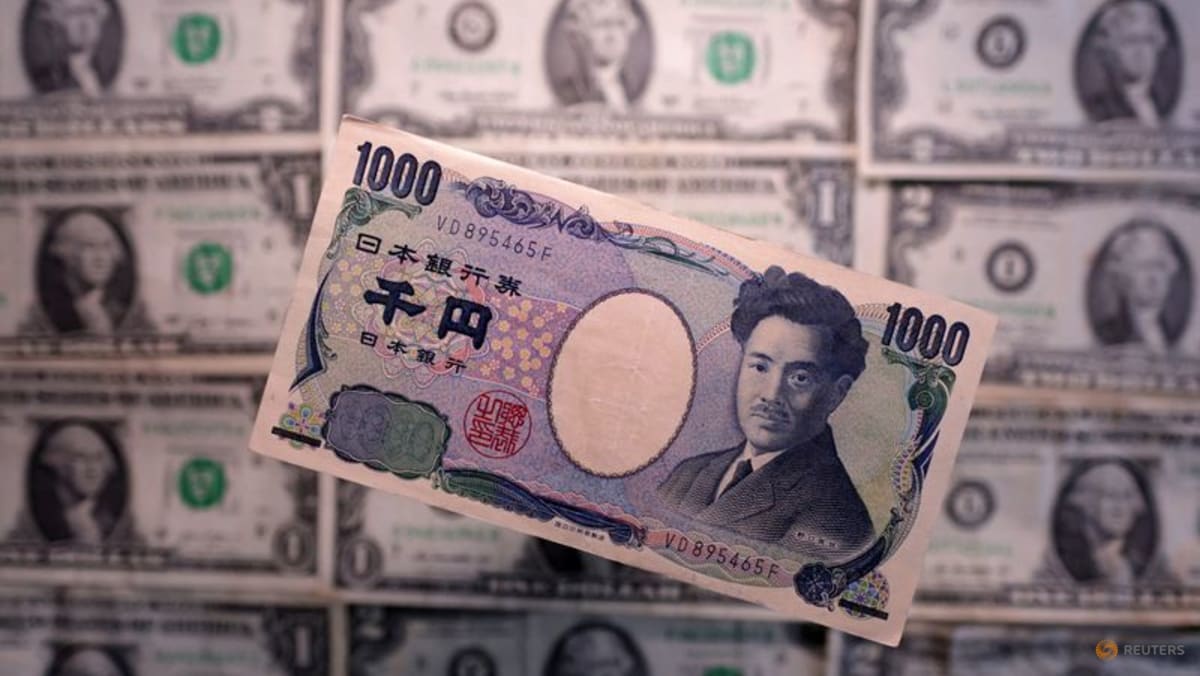
The only factor that may prod the BOJ to raise rates at its March 18-19 meeting would be sharp falls in the yen, which has already taken a hit following the U.S. strikes on Iran, sliding closer to the key 160 mark on strong investor appetite for the safe-haven dollar.
But the threshold for a March rate hike has risen after the widening Middle East conflict jolted financial markets and boosted oil prices, throwing into doubt recovery prospects for an economy heavily reliant on imported fuel.
"It's become difficult for the BOJ to raise rates," said three sources familiar with the central bank's thinking as it deliberates the implications of the fresh geopolitical crisis on monetary policy.
The BOJ would need time to scrutinise how its past rate hikes and the Middle East conflict affect the economy and prices, two other sources said, adding that the impact would be dictated by how long the war lasts.
While rising oil prices may push up underlying inflation, they could hurt the economy and warrant a delay in rate hikes if the conflict persists, one of the sources said. The sources commented on condition of anonymity as they were not authorised to speak publicly.
Markets also scaled back bets of a March rate hike after BOJ Deputy Governor Ryozo Himino on Monday refrained from dropping clear hints of an imminent policy shift.
While Governor Kazuo Ueda left open the chance of a hike in March or April in an interview with the Yomiuri newspaper published on February 26, he stressed that any decision would be dependent on data available at the time.
The absence of hawkish comments from the BOJ executives contrasts with past episodes of monetary tightening, where they dropped advance hints on the chance of a rate increase to avoid surprising markets.
"Himino would have given some hints if the BOJ had been contemplating a March hike. The fact he didn't convinced me it will forgo a hike this month," said Katsutoshi Inadome, senior strategist at Sumitomo Mitsui Trust Asset Management.
"I see April as the most likely timing of the next rate hike, particularly if the yen continues to weaken," he said.
Market bets of a March rate hike fell to around 5 per cent from 10 per cent after Himino's remarks, while about 60 per cent see the chance of a rate increase at a subsequent meeting on April 27-28.
A majority of economists polled by Reuters expect the BOJ to raise rates to 1 per cent by the end of June.
APRIL BETS ALIVE
The BOJ raised interest rates to a 30-year high of 0.75 per cent in December, taking another landmark step in ending decades of huge monetary support in a sign of its conviction that Japan is progressing toward durably hitting its 2 per cent inflation target.
The central bank has signalled its readiness to continue raising rates if its economic and price forecasts materialise.
While giving no hints on the timing of the next rate hike, Himino said the BOJ is expected to keep raising rates to levels deemed neutral to the economy. His remarks followed those by hawkish board member Hajime Takata calling for vigilance to the risk of an inflation overshoot.
A renewed yen slump could help the BOJ justify a near-term rate hike, as was the case in December, analysts say.
But political considerations heighten the chance the BOJ will stand pat for now. Prime Minister Sanae Takaichi has reinforced her focus on reviving the economy since her party's landslide victory in a general election in February.
Takaichi last week chose two like-minded monetary doves to join the BOJ board, sending a not-so-subtle message about her aversion to higher interest rates. The nomination came after a news report that she expressed reservations about additional rate hikes during her meeting with Ueda last month.
"Given no clear signals from Himino, the BOJ probably doesn't have a March rate hike in mind," said Mari Iwashita, executive rates strategist at Nomura Securities.
"While the BOJ's policy to keep raising rates likely remains unchanged, the fresh uncertainty caused by the Iran conflict makes its decision on the next rate-hike timing difficult."