 3 months ago
167
3 months ago
167
Digital transactions have streamlined operations, improved cash flow visibility and helped the recruitment and staffing firm respond more quickly to business needs.
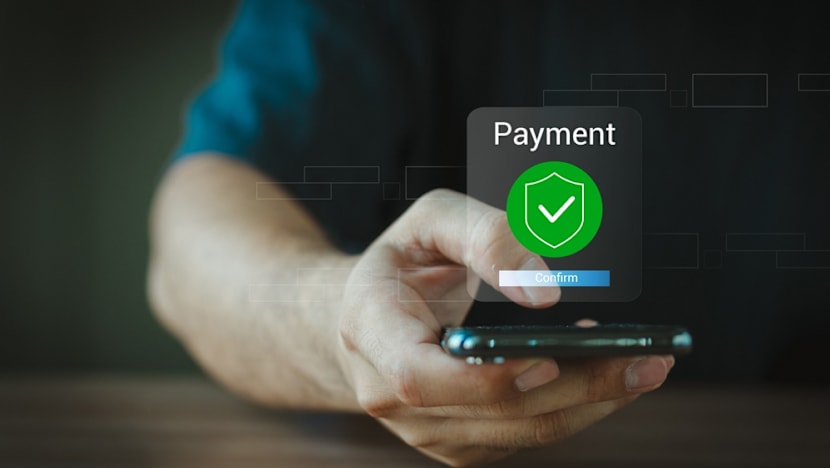
Banks will stop issuing Singapore dollar corporate cheque books from Jan 1, 2026, and will cease processing them from Jan 1, 2027. Photos: Shutterstock
New: You can now listen to articles.

This audio is generated by an AI tool.

From reminding cheque signatories not to use erasable pens to ensuring that cheques were crossed with two lines, issuing corporate cheques involved numerous steps to ensure they were properly issued, deposited and recorded, recalled Ms Jennifer Kang, group chief financial officer and executive director of recruitment and staffing firm HRnetGroup.
“There was a whole workflow around this – the accounting team had to handle vendor calls about missing payments, or follow up when client cheques were delayed or filled out incorrectly,” she said. “Cheques could also go missing in the mail. During our monthly bank reconciliations, we had to check which ones hadn’t been deposited – whether by vendors or us – which meant the funds had yet to be deducted from the relevant account.”
GOODBYE CHEQUES, HELLO CONVENIENCE
 Ms Jennifer Kang, group chief financial officer and executive director of HRnetGroup, said the pandemic sped up the company’s shift to e-payments. Photo: HRnetGroup
For HRnetGroup, the COVID-19 pandemic marked a turning point in moving away from cheques. Safe distancing measures made it difficult to meet clients and manage cheque-related banking, prompting the company to accelerate its transition to e-payments, said Ms Kang.
This shift gained further momentum after the Monetary Authority of Singapore (MAS) announced the timeline for phasing out corporate cheques. From Jan 1, 2026, banks will stop issuing Singapore dollar (SGD) corporate cheque books, bulk cheque services and self-printing facilities. From Jan 1, 2027, they will also stop processing SGD corporate cheques. Retail cheques, US dollar cheques and cashier’s orders will still be accepted.
In line with Singapore’s move towards smarter payments, businesses today have access to a growing suite of digital options, including PayNow, FAST, GIRO and MEPS+ (MAS electronic payment system).
On Jul 28, electronic deferred payments (EDP and EDP+) were introduced. Offered through seven banks – Citibank, DBS, HSBC, Maybank, OCBC, Standard Chartered Bank and UOB – they allow organisations to make deferred payments digitally.
“Over the past few years, we've observed a consistent decline in corporate cheque usage in Singapore, driven by digital transformation and rapid innovation in e-payments,” said Mr Lim Him Chuan, country head of DBS Singapore. “To support this transition, DBS has made a range of e-payment solutions available to corporate customers through our banking platforms. This gives customers the flexibility to choose what best suits their needs, while continuing to benefit from the trust, security, efficiency and convenience of e-payments.”
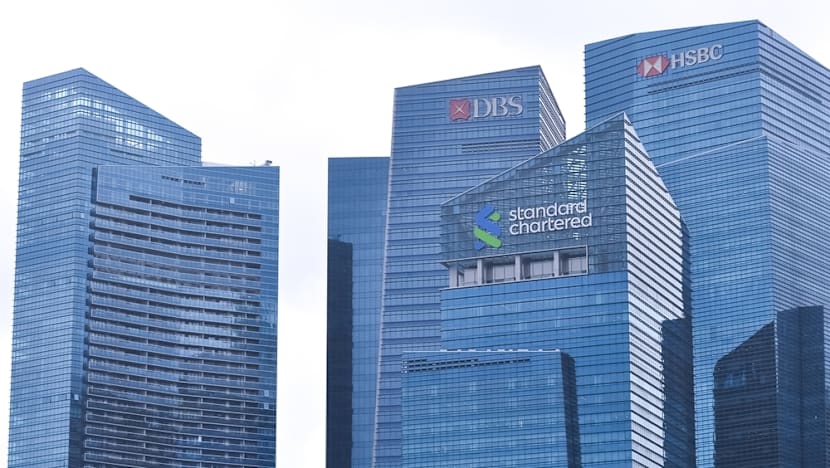 In Singapore, Citibank, DBS, HSBC, Maybank, OCBC, Standard Chartered Bank and UOB offer electronic deferred payments, allowing organisations to make such payments digitally.
For HRnetGroup, which processes thousands of Singapore-based payroll transactions through its digital banking platform, e-payments have streamlined operations. The company previously relied on corporate cheques to pay many of its contractors, but now uses GIRO to manage bulk payments. “It’s more efficient for recurring payments – we only need to set it up once,” said Ms Kang. “PayNow is reserved for urgent cases or situations that would once have required a cash cheque.”
She recalled an event where the caterer requested cash on delivery. “In the past, we had to issue a cash cheque, photocopy the recipient’s identity card and track when the cheque cleared. Now, everything is digitally recorded.”
The transparency of e-payments has also improved administration and enhanced financial oversight. “With digital payments, you can track the company’s cash flow on your smartphone,” said Ms Kang. “There’s no need to check in with your accountant – every transaction is recorded in real time and easily traceable.”
THRIVING IN THE ERA OF E-PAYMENTS
For HRnetGroup, e-payments have enhanced both customer offerings and internal operations. In 2022, the company acquired a majority stake in local fintech start-up Octomate, whose name also refers to its blockchain-powered, cloud-based workforce management software. The platform features an instant payment feature that connects directly to banks via the FAST application programming interface.
Now integrated with HRnetGroup’s Ease HR app, Octomate automates contractor salary and expense payments once timesheets are approved. “Octomate allows us to pay salaries and reimburse expenses on demand,” said Ms Kang. “It’s a differentiator that has seen strong uptake among our customers.”
Digitalisation has also improved HRnetGroup’s bookkeeping across the firm’s shared service centres in cities such as Kuala Lumpur and Taipei, while supporting its Singapore operations seamlessly.
Ms Kang noted that digital payments are now embedded in the daily processes of forward-looking businesses: “As a company, when you know exactly where you stand with your cash flow, it gives you the confidence to plan ahead. Adopting digital payments isn’t just about efficiency – it’s about staying relevant and building stronger connections for the future.”
Visit The Association of Banks in Singapore’s website or speak to your bank representative to find out more about e-payment solutions, including the newly launched electronic deferred payment solutions.