 3 months ago
102
3 months ago
102
TAIPEI, Feb 26 : The dollar began the day on the back foot during the Asian trading session on Thursday, as better-than-expected earnings from Nvidia boosted investor confidence and markets awaited details of the latest U.S. tariffs on imports of foreign goods.
The U.S. dollar index, which measures the greenback's strength against a basket of six currencies, held losses from Wednesday's session, edging down to 97.592 as uncertainty persisted over how U.S. President Donald Trump would respond to the Supreme Court's ruling on February 20 that struck down his emergency tariffs.
The U.S. tariff rate for some countries will rise to 15 per cent or higher from the newly imposed 10 per cent, U.S. Trade Representative Jamieson Greer said on Wednesday, without naming any specific trading partners or giving further details.
"President Trump’s 2026 State of the Union address focused on the economy but provided little-to-no information on new policy initiatives," wrote analysts from Westpac. The U.S. Trade Representative "offered no details regarding how the higher tariff will be applied in situations where it breaches U.S. trade deals."
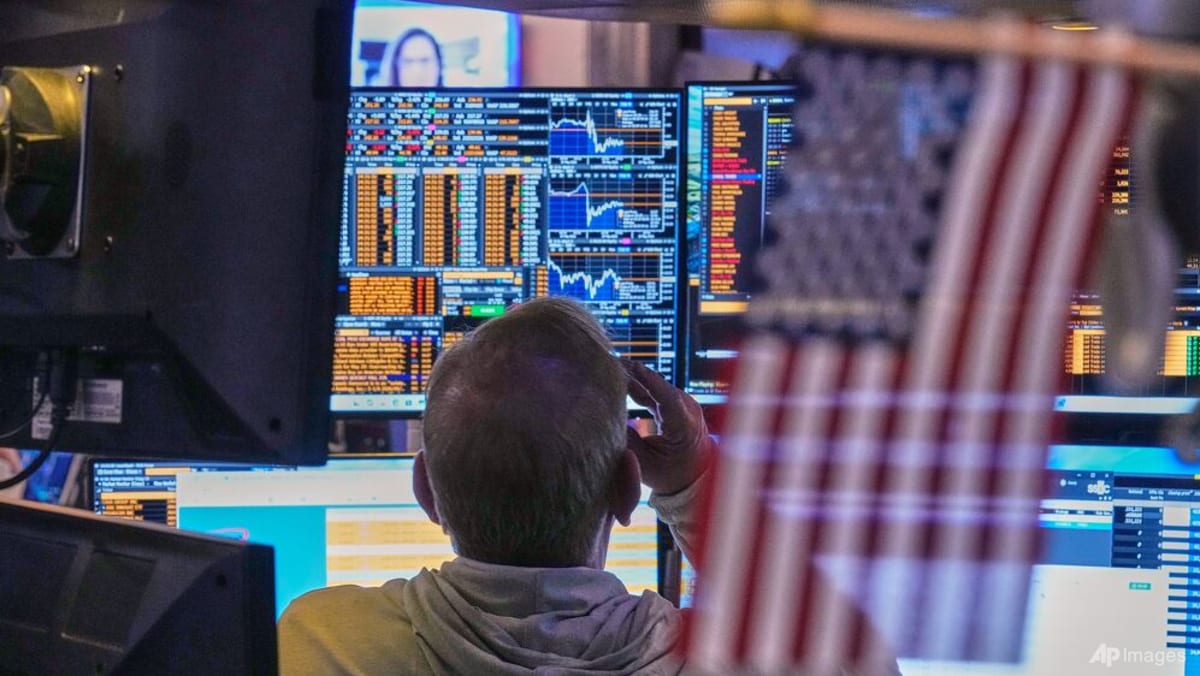
Investor confidence got a boost after AI industry bellwether Nvidia forecast first-quarter revenue above market estimates on Wednesday, providing fresh fuel for stocks on Wall Street, which extended their tech-led rally to touch two-week highs. However, the stock eased off gains in after-hours trading, with U.S. equity futures edging lower.
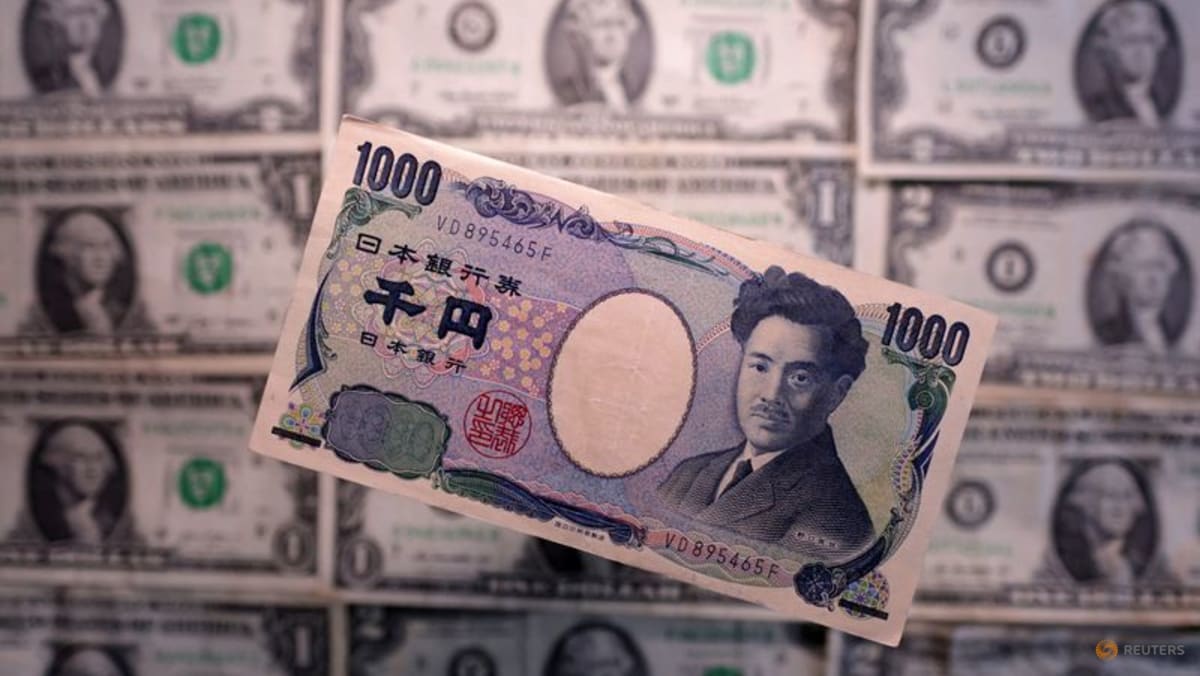
The yen was last 0.2 per cent stronger against the dollar at 156.045, clawing back some lost ground after the Japanese currency hit its weakest levels in two weeks on Wednesday.
Bank of Japan Governor Kazuo Ueda said the central bank will scrutinise data at its March and April meetings in deciding whether to raise interest rates, the Yomiuri newspaper reported on Thursday, leaving open the chance of a near-term rate hike.
That helped the yen recover from weakness on Wednesday after the Japanese government appointed two academics who are viewed as strong advocates of economic stimulus to the central bank’s board.
"Further efforts from the Takaichi government to influence the BOJ threatens another round of turmoil in Japan’s bond and currency markets," analysts from Capital Economics wrote. "But we think the underlying fundamentals point towards continued stabilisation in the JGB market and a rebound in the yen."
The yield on the U.S. 10-year Treasury bond was last up 0.2 basis point at 4.048 per cent.
Financial markets continue to believe almost unanimously U.S. interest rates are going nowhere at the Federal Reserve's next meeting. Fed funds futures are pricing an implied 98 per cent probability the U.S. central bank will keep rates on hold at its next two-day meeting on 18 March, little changed from a day earlier, according to the CME Group's FedWatch tool.
Against the Chinese yuan, in offshore trade the U.S. dollar was last flat at 6.854 yuan, the strongest levels for the Chinese currency in three years.
The euro was last flat at $1.1815, while the British pound was also little changed at $1.3555.
The Australian dollar was steady at $0.7127, while the New Zealand dollar briefly slipped below the $0.60 mark against its U.S. counterpart before recovering, last trading flat at $0.6001.
Bitcoin extended losses, and was last down 1.0 per cent at $68,218.64, while ether tumbled 1.9 per cent to $2,060.31.