 2 months ago
95
2 months ago
95
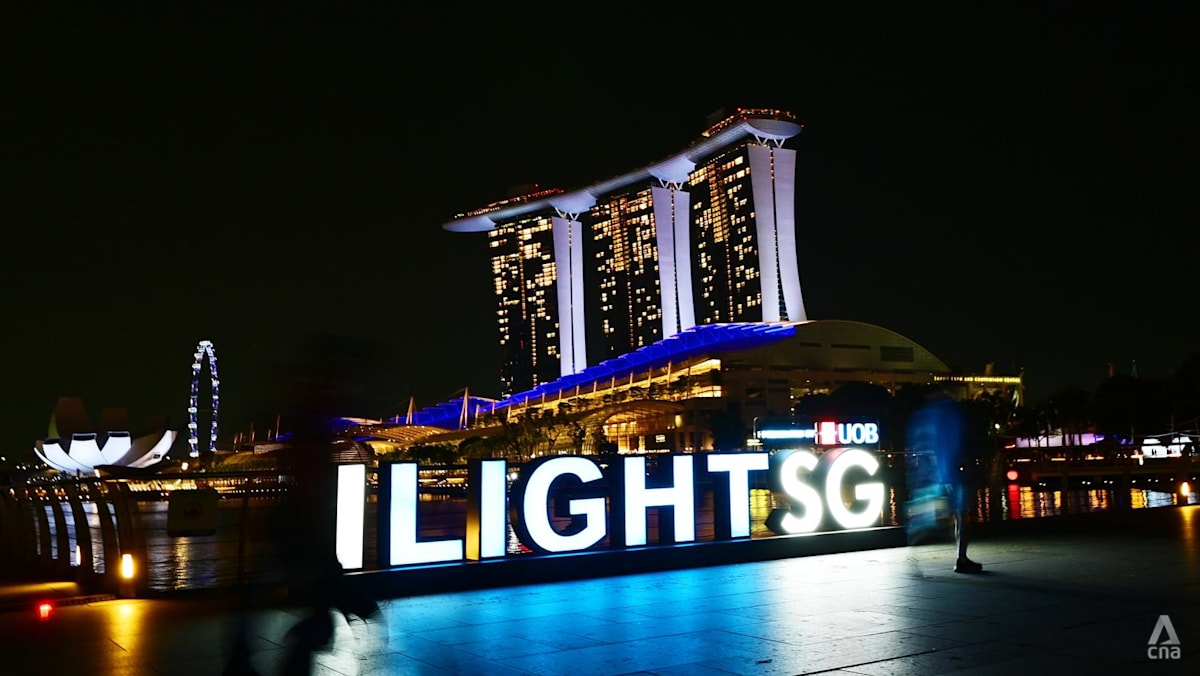
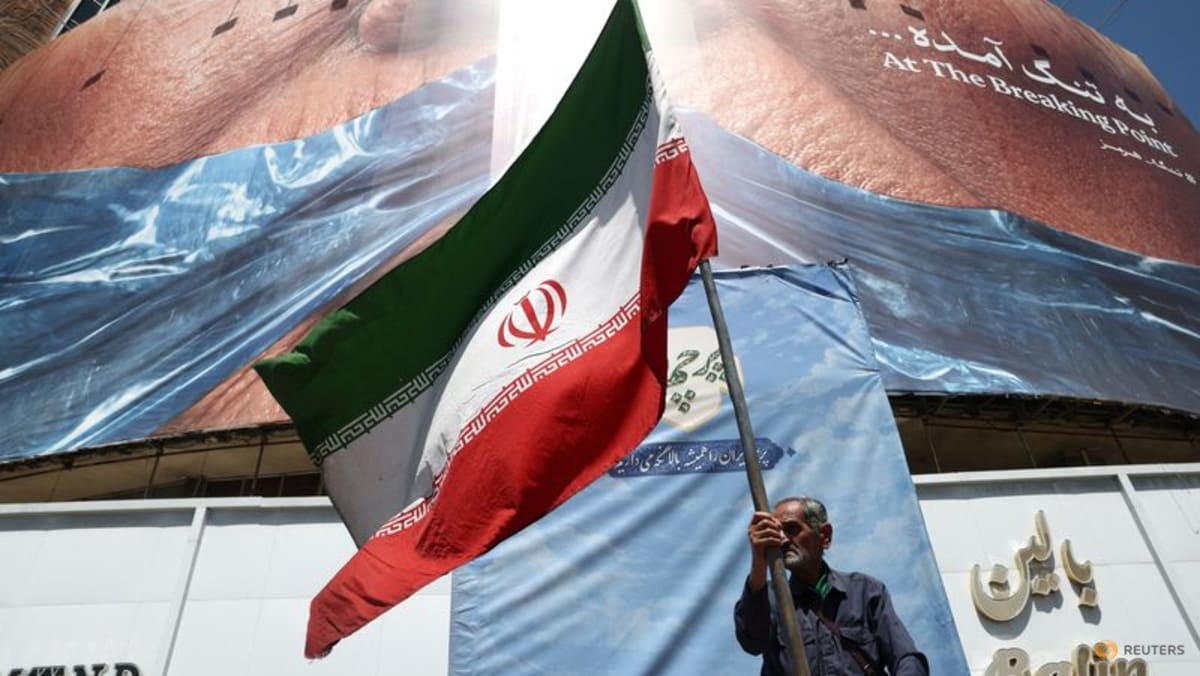
SINGAPORE: A surge in global energy prices triggered by the Middle East conflict is set to raise costs for households and businesses in Singapore, with the government rolling out close to S$1 billion (US$777 million) in additional support measures to cushion the impact.
The support package combines targeted assistance for those hardest hit with broad-based measures for households and businesses.
On Tuesday (Apr 7), Deputy Prime Minister Gan Kim Yong, Senior Minister of State for Finance Jeffrey Siow, and Coordinating Minister for National Security K Shanmugam delivered three ministerial statements on the fallout from the conflict.
In his speech, Mr Gan said the crisis is unlikely to be over anytime soon, stressing that Singaporeans must be prepared for its effects to persist for some time.
Recognising that the impact of the crisis will be felt by households and businesses, he said the government will do what is necessary to support them through this period.
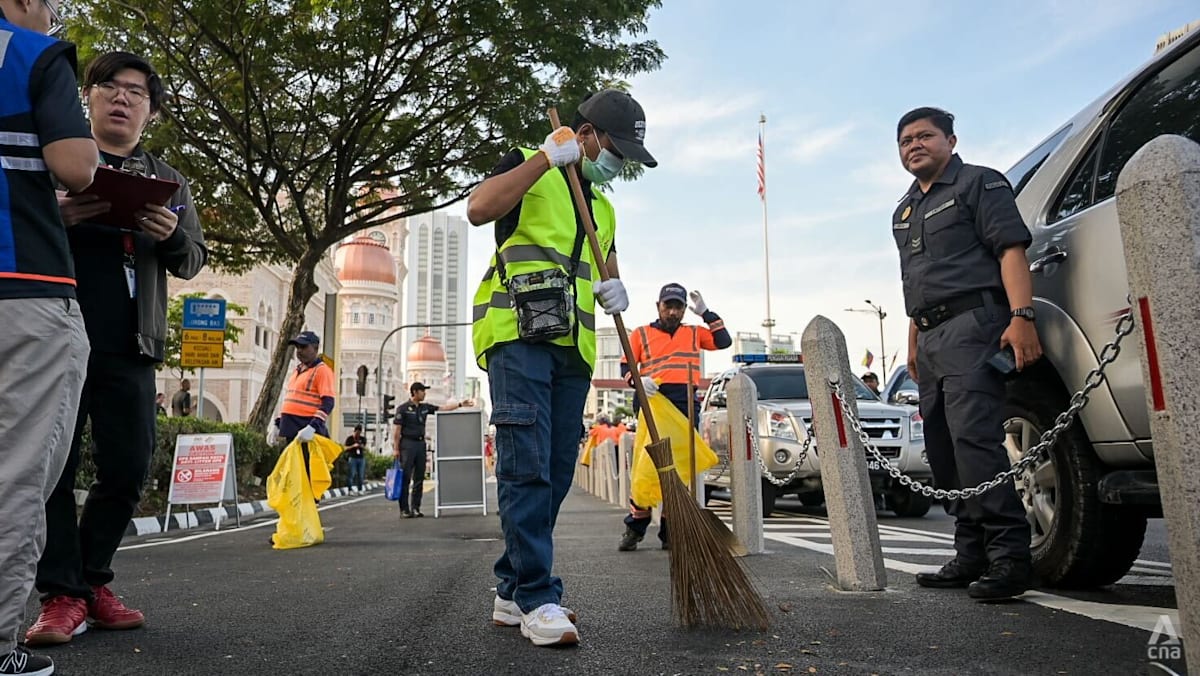
From higher petrol and electricity prices to rising food costs, the effects are expected to broaden in the months ahead. Authorities warned that uncertainty remains high and the crisis could persist.
Here are the key takeaways:
NO NEED TO TAP FUEL RESERVES OR IMPOSE RATIONING FOR NOW
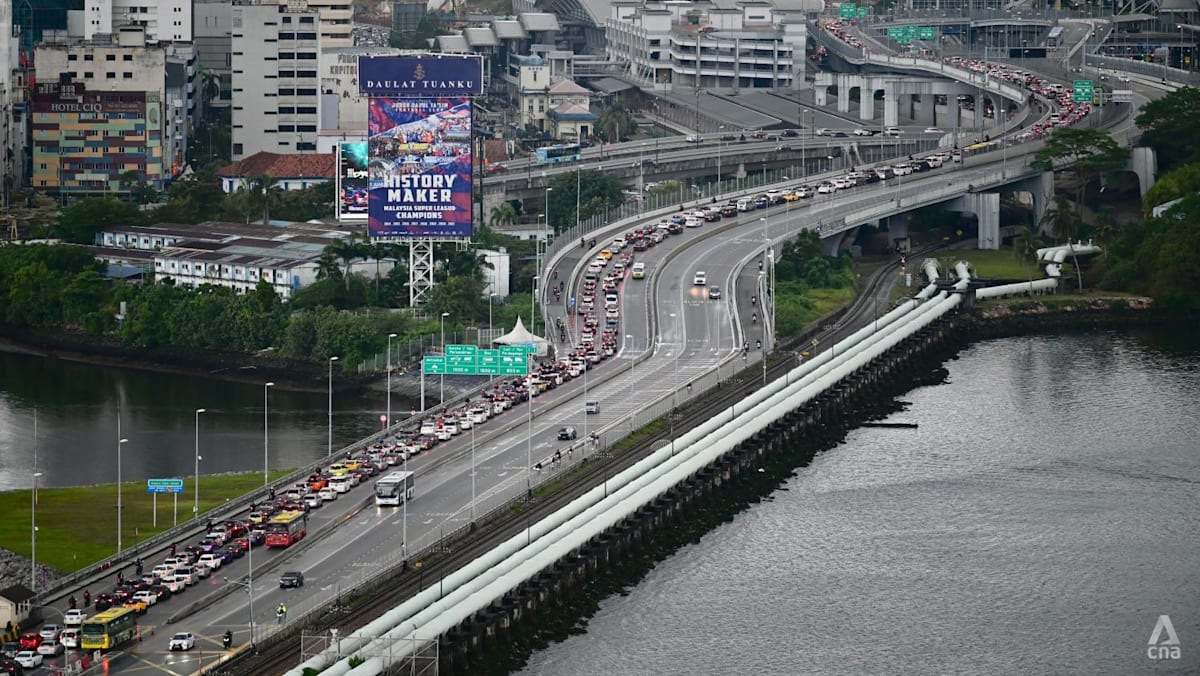
So far, Singapore continues to have access to crude oil and the country has secured crude oil supplies from alternative sources, Mr Shanmugam said in his speech.
However, Singaporeans have to pay prevailing prices, which are much higher than before, he said.
While recent steps as well as measures taken even before the crisis - such as diversifying its supply sources and investments to build its energy resilience - have helped Singapore to remain relatively stable, Mr Shanmugam said if supply disruptions increase, potential disruptions to its domestic energy and electricity supply cannot be ruled out.
However, this remains a “low-probability scenario” for now, he said, adding that the government will continue to monitor developments closely.
CONCERNS OVER FOOD INFLATION
Rising energy costs are also expected to drive up global food prices.
Singapore maintains strategic food stockpiles, which will help to mitigate the impact of any unforeseen supply disruptions, said Mr Shanmugam.
However, he urged Singaporeans to be prepared for some food supplies from some countries to become unavailable and to remain flexible in choosing alternatives.
He added that the government is also relooking at the country’s supply chains - with a view towards strengthening them.