 2 months ago
65
2 months ago
65
The rally has sparked a surge in investor demand and strained already-limited supplies, with buyers snapping up silver bullion as prices climb.
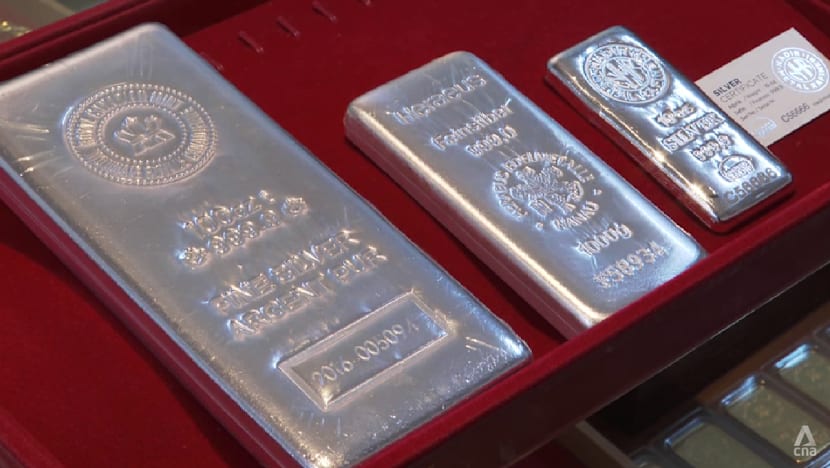
Silver staged an exceptional rally in 2025, gaining 161 per cent and breaking the US$80-per-ounce mark for the first time last month.
New: You can now listen to articles.

This audio is generated by an AI tool.


SINGAPORE: Physical silver is becoming increasingly hard to find in Singapore, as a recent global surge in prices has sent investors rushing to the precious metal and left dealers scrambling for stock.
Waitlists are now stretching for months, with some retailers struggling to secure fresh supplies amid what analysts describe as a tightening market.
The scramble comes as precious metals emerged as the standout performers among commodities last year, driven by economic uncertainty and geopolitical risks. Silver outpaced most major equity indices and currencies, while gold climbed to record highs.
Some analysts believe precious metals could see further gains this year, as interest rates are expected to fall and investors continue to seek safe haven assets.
TIGHTER STOCK
Silver staged an exceptional rally in 2025, gaining 161 per cent and breaking the US$80-per-ounce mark for the first time last month.
The metal outperformed gold, which rose 66 per cent over the same period.
Analysts attribute the price surge to a combination of strong industrial demand – particularly from electronics and renewable energy sectors – and a global supply shortage.
The rally has drawn a wave of investor interest, with buyers snapping up silver bullion as prices climbed, further straining already limited supplies.
That rise in demand is now being felt on the ground.
Bullion dealer Kwek Seow Bin told CNA sales of gold and silver at his shop jumped nearly sixfold from November to December, as customers rushed to lock in purchases amid rising prices.
“For us dealers, we are not doing a lot of marketing. People are searching for us to buy physical metals,” said Mr Kwek, owner of Singapore-based startup Metal & Picks.
He added that the profile of buyers is also beginning to shift.
Once dominated by mostly local and middle-aged customers, the heartland shop in Upper Boon Keng is now seeing younger buyers in their 20s – and even foreigners – snapping up silver bullion.
That shift is partly driven by larger dealers running low on stock, pushing buyers to look elsewhere.
Mr Kwek said about nine in 10 of his customers now opt for silver over gold, despite its greater volatility.
“The demand for physical (silver) is crazy,” added Mr Kwek, who has raised profit margins on silver products and placed larger orders.
“Some (refineries), even when we send in orders, say that they don't dare to take in orders. So right now we are on a waitlist.”
The retailer said it placed an order for about 300 pieces of 1kg silver bars last month, but has since been told the stock is only expected to arrive in March.
That is a sharp slowdown from earlier periods, when orders typically took just one to two weeks to arrive.
To cope, dealers told CNA they are placing larger orders and expanding online sales channels, as more buyers turn to digital platforms to secure bullion quickly.
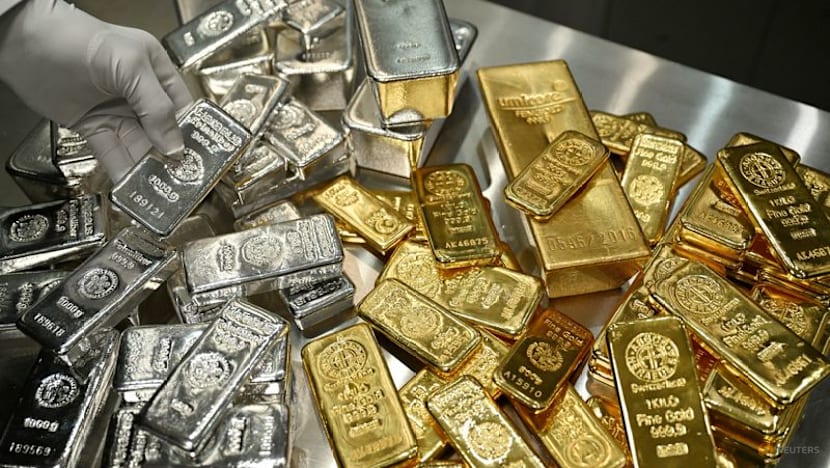 Gold and silver bars are stacked in the safe deposit boxes room of the Pro Aurum gold house in Munich, Germany, Jan 10, 2025. (Photo: Reuters/Angelika Warmuth)
INDUSTRY FUELS DEMAND
Beyond investors, some industries have become the largest driver of silver demand, accounting for about 60 per cent of global consumption.
Sectors such as electric vehicles, solar panels and semiconductor manufacturing depend on silver’s high conductivity.
“There is an over-demand situation,” said Dr Tan Kee Wee, an economist at the Singapore Precious Metals Exchange.
“For the past five years, the mines have not been able to come out with (enough silver) to meet the demand for the industrial side.”
Economists said that while higher silver prices may eventually be passed on to consumers, the immediate impact in Singapore is likely to remain limited.
“Once China and (South) Korea pay higher for the silver to make their EVs, batteries or chips and all that, then, of course, they'll raise the price higher for consumers like us,” said Dr Tan, referring to two of the world’s major manufacturing hubs for such products.
“So (it) will come to us with higher prices down the road.”
But he noted that the impact “will not be major”, given that silver is a small part of the cost of making electric vehicles or batteries.
Association of Small and Medium Enterprises president Ang Yuit said: “Even though the silver prices are high, the actual real translation to prices for the consumer is still quite manageable at this point in time.”
For instance, silver makes up only a “very small” portion of the total cost of solar panels when compared with other factors such as manufacturing and shipping costs, he added.
“While silver prices may have gone to record highs, the actual effect on the output price of a piece of a solar panel is not very significant, given everything else in play.”
Analysts said a key indicator to watch is whether physical silver continues to trade at a premium in Asia, signalling that industrial demand is still outpacing supply.
“For industrialists, they don't care – they need the silver,” said Dr Tan, adding that some are diversifying into platinum and palladium, which also posted strong price gains last year.
“They'll pay more because otherwise their factories will be short of silver and stop running. So they will bid higher.”